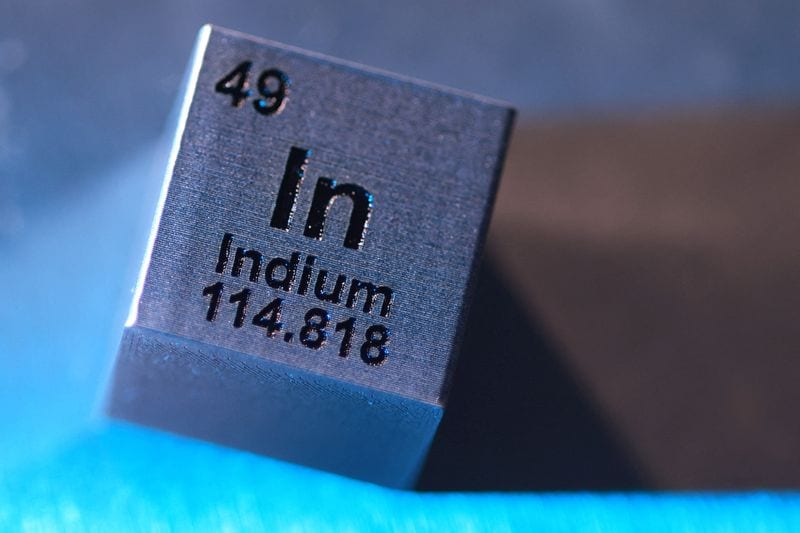
China is reportedly intensifying its examination of indium exports, a move that has raised concerns among buyers about potential future restrictions on the niche metal. Indium is a critical component for high-speed optical chips essential for artificial intelligence data centers.
While indium metal itself is not currently on China's export control list, some buyers have observed increased scrutiny from Chinese customs, including requests for end-user information, a step not previously required for all transactions. One North American buyer noted that export approvals have lengthened from same-day to several days, attributing this to more thorough paperwork checks. However, this heightened scrutiny is not uniformly applied, with other buyers reporting no personal experience of increased checks.
Indium phosphide, a derivative of indium used in AI chips, was added to China's export control list in February 2025. The CEO of Nvidia-backed chipmaker Coherent reportedly raised concerns about these restrictions during a trip to Beijing with President Donald Trump in May. The U.S. has identified indium as a potential vulnerability, with its Defense Logistics Agency issuing a request to stockpile up to 403 tons over three years.
Industry participants fear that the current increased due diligence could be a precursor to more stringent controls or outright export bans, mirroring China's use of export controls as a significant trade tool. So far, no confirmed instances of blocked indium shipments have been identified.