All NewsEducationTV
Equities & FundsCrypto & Digital AssetsAI & TechnologyBusiness & CorporateUS Politics & PolicyGeopolitics & Global RiskMacro, Rates & FXCommodities & EnergyEuropean Politics & MarketsAsia-PacificReal Estate & Property
Story archiveAll categories
← All Stories

Carmakers Revive Turbocharging Technology

Created at 1 Aug · 9:16 AM1 source↑ Market-relevant
IN SHORT

Turbocharging, a technology popular in the 1980s, is now standard in nearly half of U.S. cars sold, primarily to meet efficiency standards. This resurgence echoes the technology's past prominence in performance vehicles.

✉Newsletter

PiQ Daily

Pick your topics. Get only what matters, on your cadence.

Key Numbers

40 yearstime since turbocharging was hyped
1962year of first turbo-powered cars
1980year Audi introduced Quattro coupe
1982year Bentley introduced Mulsanne Turbo

Who's Involved

Oldsmobile
early adopter of turbocharging technology in cars
Chevrolet
early adopter of turbocharging technology in cars
Porsche
instrumental in mainstreaming turbocharging
Saab
instrumental in mainstreaming turbocharging
Audi
introduced the Quattro coupe with a turbocharged engine
Lotus
used turbocharging in its Esprit model
Renault
used turbocharging in its Formula 1 and 5 Turbo models
Bentley
introduced the Mulsanne Turbo
Carmakers Revive Turbocharging Technology

↳ Why This Matters

The widespread adoption of turbocharging in modern vehicles highlights the automotive industry's focus on balancing performance with environmental regulations, demonstrating how historical technologies are being re-engineered to meet contemporary challenges.

Key facts

  • Turbocharging technology, once prominent in the 1980s, is now standard in almost half of cars sold in the U.S.
  • The primary driver for the resurgence of turbocharging is to meet modern efficiency standards.
  • Early automotive adoption of turbochargers occurred in the 1960s, with Oldsmobile and Chevrolet.
  • Porsche and Saab were instrumental in bringing turbocharging to wider acceptance in the 1970s.
  • Performance vehicles like the Audi Quattro, Lotus Esprit, and Bentley Mulsanne Turbo featured turbocharging in the 1980s.
  • Turbocharged engines were also a key feature in 1980s Group B rally cars.

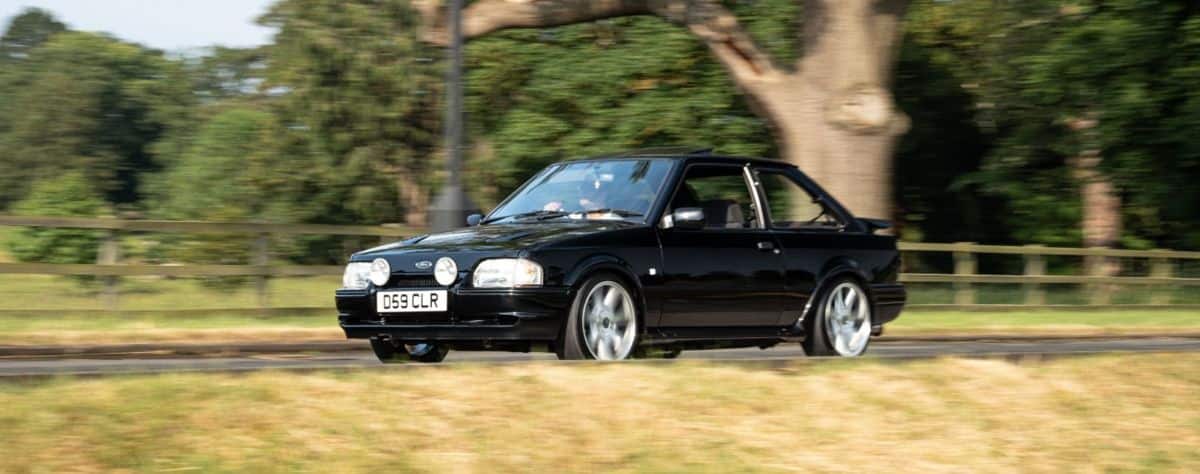
Turbocharging, a technology that experienced a surge in popularity during the 1980s, has made a significant comeback in the automotive industry. Today, this once-hyped technology from four decades ago is now a standard feature in nearly half of all cars sold in the United States. The primary motivation behind this resurgence is the industry's drive to meet increasingly stringent fuel efficiency standards.

Historically, engines with turbochargers have existed since the 19th century, initially finding use in aviation to maintain power at high altitudes. Carmakers began adopting the technology in the early 1960s, with Oldsmobile and Chevrolet being among the first to market with turbocharged V8 engines. However, for a long time, turbocharging remained an exotic and less common feature.

It was manufacturers like Porsche and Saab that played a crucial role in moving turbocharging from the fringes to a more mainstream acceptance with their performance-oriented models in the 1970s. This paved the way for more widespread adoption. In 1980, Audi astonished the automotive world with its Quattro coupe, which featured a 2.1-liter five-cylinder turbocharged engine. Other notable performance cars of the era that utilized turbocharging included the Lotus Esprit and the Renault 5 Turbo, with Bentley also introducing its Mulsanne Turbo in 1982.

The 1980s also saw turbocharging become a defining characteristic of high-performance motorsport, particularly in Group B rallying, where engines were pushed to extract extreme power outputs. This era cemented 'turbo' as a symbol of enhanced performance and speed.

Frequently asked questions

Turbocharging technology first appeared in cars in 1962 with models from Oldsmobile and Chevrolet.

Porsche and Saab were key in bringing turbocharging to wider acceptance, followed by Audi, Lotus, Renault, and Bentley in the 1980s.

Carmakers are increasingly using turbocharging to help meet modern fuel efficiency standards.

Turbocharged engines were a significant feature in 1980s motorsport, particularly in the high-powered Group B rally cars.

Get the newsletter.

Pick the topics you actually care about. We'll email when there's news worth your time, on the cadence you choose. Cancel any time from your account.

Cadence
CME Headlines
  • Amendments to Rule XXX101. (Contract Specifications) and XXX102.E. (Termination of Trading) of the LNG North West Europe Marker (Platts) Futures and the LNG North West Europe Marker (Platts) BALMO Futures and Temporary Suspension of Trading and Clearing of Previously-Listed Contract Months
    31 Jul · 11:30 PM
  • OPEC+ decision and Nonfarm Payrolls in focus for next week.
    31 Jul · 9:03 PM
  • OPEC+ decision and Nonfarm Payrolls in focus for next week.
    31 Jul · 9:03 PM

How It Developed

Turbocharging technology, originating in the 19th century, saw early automotive adoption in the 1960s.
Porsche and Saab popularized turbocharging in the 1970s, leading to wider adoption.
Audi's Quattro coupe in 1980 featured a turbocharged engine, enhancing its performance.
Lotus and Renault also utilized turbocharging in performance models like the Esprit and 5 Turbo.
Bentley introduced the Mulsanne Turbo in 1982, boosting its V8 engine's power.
Turbocharged engines were prevalent in Group B rallying during the 1980s.
Turbocharging is now standard in nearly half of cars sold in the U.S.
The technology is largely used to help meet efficiency standards.

Sources

T1
Carmakers Go Back to the ’80s With Turbo EnginesThe New York Times
T2
The 1980s: When turbos ruled the roadfootmanjames.co.uk

Related Stories

US Oil Drillers Show Caution as WTI Hovers Near $85
31 Jul · 7:06 PM
Oil industry warns refining limits could keep energy prices high
31 Jul · 7:06 PM
China Approves Eight New Nuclear Reactors, Boosting Energy Security
31 Jul · 6:21 PM
Experts Warn 'Proteinmaxxing' Trend Could Drive Up Infant Formula Prices
1 Aug · 5:11 AM
Exxon, Chevron Post $26.5B Profit Amid War-Driven Market Scramble
31 Jul · 6:16 PM