All NewsEducationTV
Equities & FundsCrypto & Digital AssetsAI & TechnologyBusiness & CorporateUS Politics & PolicyGeopolitics & Global RiskMacro, Rates & FXCommodities & EnergyEuropean Politics & MarketsAsia-PacificReal Estate & Property
Story archiveAll categories
← All Stories

Canadian farmers battle widespread crop diseases ahead of harvest

Created at 17 Aug · 10:07 AM1 source↑ Market-relevant
IN SHORT

Canadian farmers are facing significant disease threats to their durum, spring wheat, canola, and pulse crops due to unusually wet conditions. Many are investing heavily in fungicides to protect yields and quality, despite tight finances and uncertain profitability.

✉Newsletter

PiQ Daily

Pick your topics. Get only what matters, on your cadence.

Key Numbers

19,000 acrescrop acreage farmed by Jake Leguee
$6 to $20 per acrefungicide investment by Jake Leguee

Who's Involved

Jake Leguee
Saskatchewan farmer investing in fungicides
Ray Redfern
Inputs dealer in Brandon, Manitoba
Brunel Sabourin
Crop adviser in St. Jean Baptiste, Manitoba
Canadian farmers battle widespread crop diseases ahead of harvest

↳ Why This Matters

The widespread crop diseases in Canada threaten the quantity and quality of key agricultural exports, potentially impacting global food supply chains and prices for essential commodities like wheat and canola.

Key facts

  • Canadian farmers are contending with intense crop diseases affecting durum, spring wheat, canola, and pulse crops.
  • Wet spring and early summer conditions created ideal environments for fungal diseases.
  • Farmers are making substantial investments in fungicides to protect their yields.
  • The disease outbreak poses a threat to the quantity and quality of Canada's export crops.
  • The full extent of the damage will only be known once harvesting is complete.

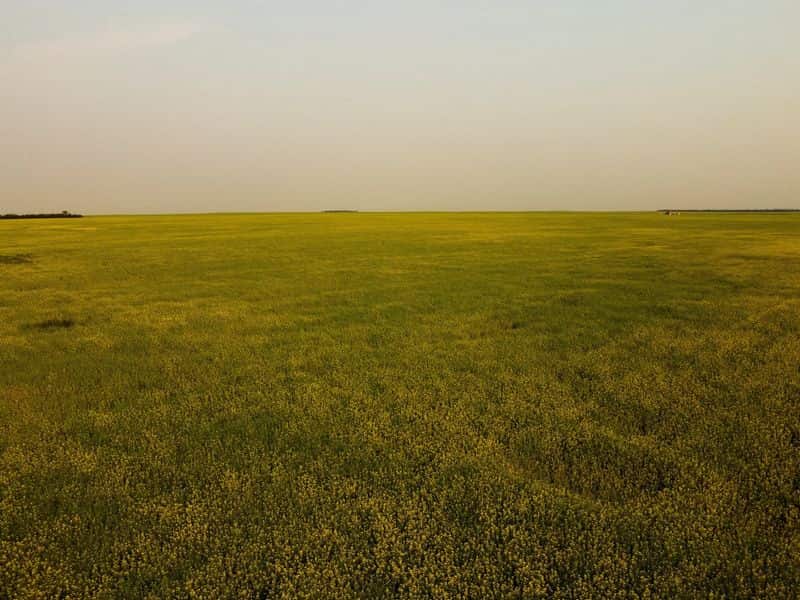
Canadian farmers are engaged in a costly fight against widespread crop diseases that have emerged due to unusually wet weather conditions this year. The diseases, including fusarium head blight in wheat and sclerotinia in canola, pose a significant threat to the quantity and quality of the nation's key agricultural exports.

Southeastern Saskatchewan farmer Jake Leguee described the situation as an "intense and expensive battle," noting he sprayed "everything with fungicide" on his 19,000-acre operation. He invested between $6 and $20 per acre in fungicides, acknowledging the significant cost but deeming it a necessary measure to protect his crops.

Ray Redfern, an inputs dealer in Brandon, Manitoba, confirmed that many farmers have elected to continue investing in fungicides despite tight finances and collapsing crop profits. He noted that farmers are "getting to the end of their operating line (of credit) and they're running out of cash flow," making the decision to spend on crop protection difficult but essential.

Crop adviser Brunel Sabourin of St. Jean Baptiste, Manitoba, stated that given the high moisture levels and frequent rains, investing in fungicides was "no question" for farmers in the Red River Valley who had the financial means or credit available. The specific diseases affecting crops include fusarium head blight for durum and spring wheat, sclerotinia and blackleg for canola, and various fungal issues for pulse crops.

Leguee indicated that it will take several weeks, until combines are in the field, to determine the success of the fungicide applications and the final impact on crop yields and quality. Canada is a leading global exporter of canola, durum wheat, dry peas, and oats, making the outcome of this disease threat critical for international supply.

Frequently asked questions

Durum, spring wheat, canola, and pulse crops are significantly affected by widespread diseases.

An extremely wet spring and early summer created ideal conditions for fungal diseases when temperatures became hot and humid.

Many farmers are investing heavily in fungicides to protect their crops, despite financial constraints.

The full extent of the impact on crop quantity and quality will be determined once harvesting begins.

What Happens Next

01Farmers will assess the effectiveness of fungicide applications during the upcoming harvest.
02The final yield and quality of Canadian crops will be determined in the coming weeks.

Get the newsletter.

Pick the topics you actually care about. We'll email when there's news worth your time, on the cadence you choose. Cancel any time from your account.

Cadence
CME Headlines
  • Grain futures rally on Black Sea tensions and Midwest heat.
    14 Aug · 8:48 PM
  • Grain futures rally on Black Sea tensions and Midwest heat.
    14 Aug · 8:48 PM
  • Live Cattle futures drop as Tyson Foods closes 3 beef plants.
    14 Aug · 8:35 PM

How It Developed

Canadian farmers are battling widespread crop diseases due to wet weather.
Fungal diseases have threatened the quantity and quality of key export crops.
Farmers are investing heavily in fungicides to protect their crops.
Input dealers report farmers are spending on fungicides despite financial pressures.
The final impact on crop yields and quality will be known during harvest.

Sources

T1
Canadian farmers fight heavy disease threat as harvest approachesReuters

Related Stories

Canada probes Chinese bid for Argentina lithium asset on security grounds
17 Aug · 6:06 AM
South Wales wildfire battle shows signs of progress amid extreme heat
16 Aug · 6:41 PM
Iran war pushes Middle Eastern airlines towards $4.3bn loss in 2026
16 Aug · 12:26 PM
Iraq-Syria crude pipeline project likely four years away, costing $15B
17 Aug · 9:06 AM
Asian Refiners Seek Alternative Pickup Point for Saudi Crude Amid Red Sea Risks
17 Aug · 9:06 AM