Key facts
- Cambodia's Sihanoukville Port has seen increased cargo volume due to the closure of its land border with Thailand.
- Japanese companies are utilizing the Cambodian port as an alternative shipping route.
- High fees at the port have prompted some companies to request lower charges.
- Thailand's border closures have disrupted land transport, leading to a shift towards sea routes and alternative land routes.
- Thai border trade with Cambodia was valued at 80.7 billion baht in the first five months of the year, with June trade expected to decrease due to closures.
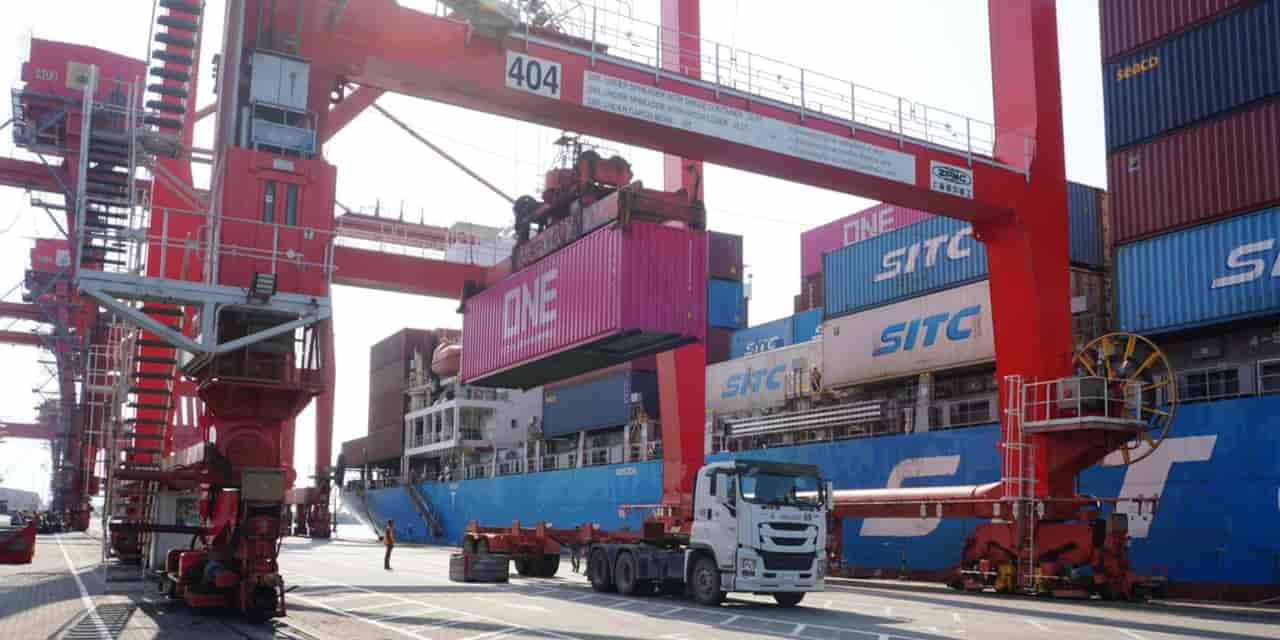
Cambodia's Sihanoukville Port has become a crucial transit point for Japanese companies due to the closure of the land border with Thailand. This shift to maritime routes has increased cargo volume at the Cambodian port, offering a lifeline for businesses previously reliant on overland transport. However, the elevated fees associated with using Sihanoukville Port have led some Japanese multinationals to call for cost reductions.
The closure of border checkpoints between Cambodia and Thailand has significantly disrupted land transport, forcing businesses to seek alternative shipping methods. Many are now utilizing sea transport or rerouting through Laos. This situation has led to an increase in the number of shipping lines servicing Cambodia, which has, in turn, contributed to a reduction in overall freight costs for some. Despite these adjustments, concerns regarding the ongoing border conflicts have prompted several businesses to temporarily halt their trading activities.
Thailand's Commerce Minister, Jatuporn Buruspat, has expressed concern that prolonged border closures could lead to Thai products being displaced in Cambodia by imports from other nations. In response, the ministry is actively seeking alternative markets for Thai goods and is monitoring the situation closely. The border situation has also had an impact on Thai investments within Cambodia.
Data from Thailand's Department of Foreign Trade indicates that border trade between Thailand and Cambodia was valued at 80.7 billion baht in the first five months of the year, representing an 11.2% increase year-on-year. Exports grew by 9% to 63.1 billion baht, while imports rose by 20% to 17.7 billion baht. However, trade in June was anticipated to decline due to checkpoint closures that began on June 7. The department had previously estimated potential losses exceeding 60 billion baht if the checkpoints remained shut for the remainder of the year. Provincial commerce offices in the seven Thai provinces bordering Cambodia are tasked with monitoring product availability and prices to prevent shortages and price gouging, with restocking efforts underway.