Key facts
- Brazil's Agriculture Ministry is implementing new inspection procedures for meat and meat derivatives.
Brazil's Agriculture Ministry is implementing new inspection procedures for meat and meat derivatives to comply with EU antimicrobial use regulations. The move aims to prevent an EU ban on Brazilian exports, which could affect approximately $1.8 billion in annual trade.
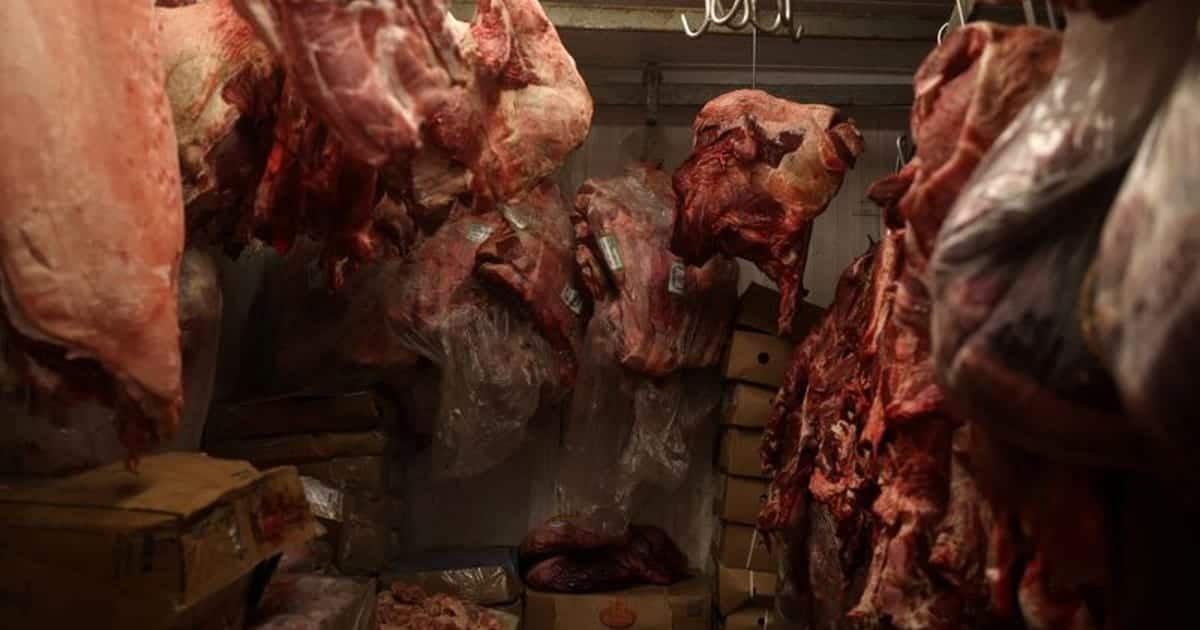
The implementation of new regulations by Brazil is crucial to maintain access to the significant European market for its meat exports, safeguarding billions of dollars in trade and the broader agribusiness sector.
Brazil's Agriculture Ministry has begun implementing new inspection procedures for meat and meat derivatives to comply with European Union regulations on antimicrobial use in livestock. This action is intended to prevent the EU from banning Brazilian exports, which could impact approximately $1.8 billion in annual trade.
The EU announced a ban, effective September 3, 2026, on Brazilian beef, poultry, eggs, live animals, honey, and aquaculture products due to insufficient evidence that banned antimicrobials were not used in the country's livestock production chain. Brazil was previously removed from the EU's list of compliant exporters.
In 2025, Brazil exported about 368,000 tonnes of animal products worth approximately $1.8 billion to the EU. Experts suggest that the potential loss of the European market may not lead to a significant reduction in meat prices for Brazilian consumers, as Brazil has the capacity to redirect its production to other markets and new logistical costs could offset the impact.