Key facts
- An international conference agreed to increase the annual catch quota for large Pacific bluefin tuna by 25% for fiscal years 2027 and 2028.
- The quota for smaller bluefin tuna (under 30 kg) will be reduced by 6%.
- Mexico, initially opposed, supported the proposal after bilateral discussions with Japan.
- The Pacific bluefin tuna population has recovered significantly, exceeding rebuilding targets.
- The annual quota for large bluefin in the Central and Western Pacific will rise to 14,836 tons from 11,869 tons.
- The Eastern Pacific quota will increase to 7,740 tons from 7,581 tons.
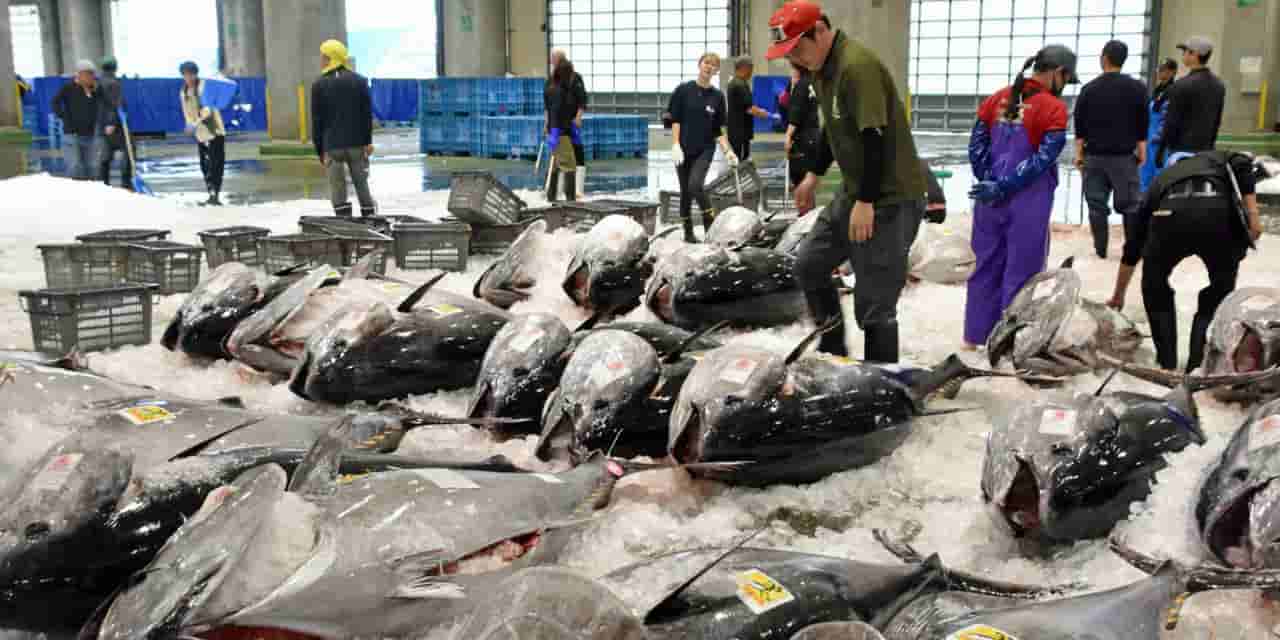
An international conference has agreed to a 25% increase in catch quotas for large Pacific bluefin tuna, weighing 30 kilograms or more, for the fiscal years 2027 and 2028. This decision comes as the species' population has shown significant recovery, exceeding rebuilding targets ahead of schedule. Concurrently, the quota for smaller bluefin tuna will be reduced by 6% for resource management purposes.
The agreement was reached after a previous proposal in July faced opposition from Mexico. However, following bilateral discussions with Japan, Mexico eventually lent its support to the revised plan. The new quotas will see the annual catch limit for large bluefin in the Central and Western Pacific rise to 14,836 tons from the current 11,869 tons, while the Eastern Pacific quota will increase to 7,740 tons from 7,581 tons.
Japan's Fisheries Agency noted that Japanese fishers have recently experienced robust catches, leading to suspensions in some areas due to the existing cap. The potential increase in quotas is expected to boost the supply of bluefin tuna in Japan, possibly leading to lower prices. The recovery of the Pacific bluefin tuna is considered a major fisheries management success, reflecting coordinated scientific efforts and conservation measures adopted by international organizations like the ISC, IATTC, and WCPFC.
U.S. commercial fishers harvested 368 metric tons of Pacific bluefin tuna in 2022, generating over $2.2 million in revenue, representing about 10% of total landings. Japanese and Mexican vessels account for the majority of the annual catch. The International Scientific Committee for Tuna and Tuna-Like Species in the North Pacific Ocean (ISC) provided crucial scientific expertise, with researchers like Dr. Huihua Lee at NOAA Fisheries leading stock assessment work that confirmed the population's thriving status.