Key facts
- 54% of soy in the EU27+ now meets the FEFAC Soy Sourcing Guidelines, an increase from 42% in 2019.
- The EU remains heavily dependent on soy imports from regions like the Amazon, Cerrado, and Gran Chaco.
- These import regions face ongoing deforestation and land-use change.
- The report emphasizes the need for collaboration among industry, policymakers, and civil society.
- Improving Europe's protein self-sufficiency is identified as critical.
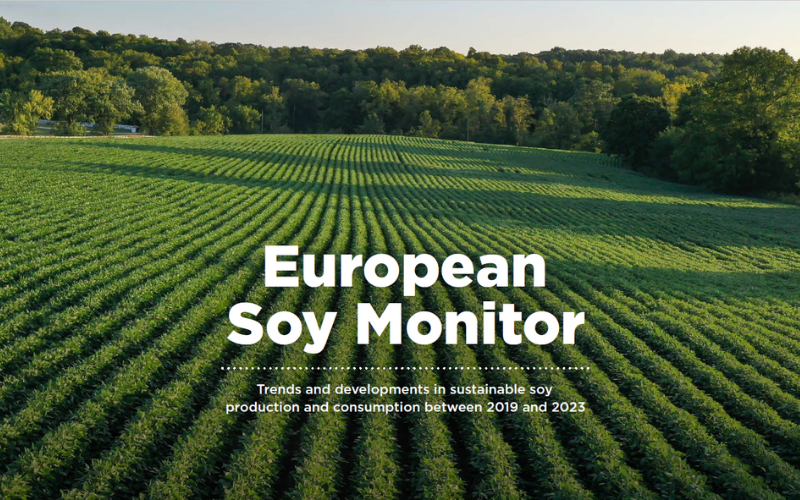
A new European Soy Monitor report indicates progress in sustainable soy sourcing within the EU27+, with 54% of soy now meeting the FEFAC Soy Sourcing Guidelines, up from 42% in 2019. These updated guidelines incorporate conversion-free criteria, reflecting a growing commitment to responsible sourcing among European market actors.
Despite this progress, the report highlights that Europe's soy supply chain remains heavily reliant on imports from regions with high rates of deforestation and land-use change, including the Amazon, Cerrado, and Gran Chaco. This dependency exposes the EU protein market to risks associated with biodiversity loss, greenhouse gas emissions, and future regulatory compliance.
The report also notes variations in the uptake of physically certified soy across Europe, with some regions still depending on credit-based systems, leading to inconsistent transparency. The findings underscore the importance of initiatives like Donau Soja's Protein Strategy for Europe, which promotes regional, certified soy production to reduce import dependency and enhance sustainability.
To address these challenges, the European Soy Monitor calls for urgent and coordinated action from all stakeholders, including industry, policymakers, and civil society, to mitigate deforestation risks and invest in sustainable, deforestation-free soy supply chains. Achieving this at scale requires stronger collaboration, targeted interventions, and a long-term commitment.