Key facts
- An LNG terminal outage has cut gas supply to Bangladesh's grid by 17 million cubic meters daily.
- Textile mills are operating with critically low gas pressure, leading to significant production losses.
- Over 234 textile mills have closed since 2014 due to energy shortages and other industry pressures.
- Factories are forced to use costly alternatives like CNG and LPG, increasing operational expenses.
- The textile industry, a major export earner, is at risk of collapse due to these compounding crises.
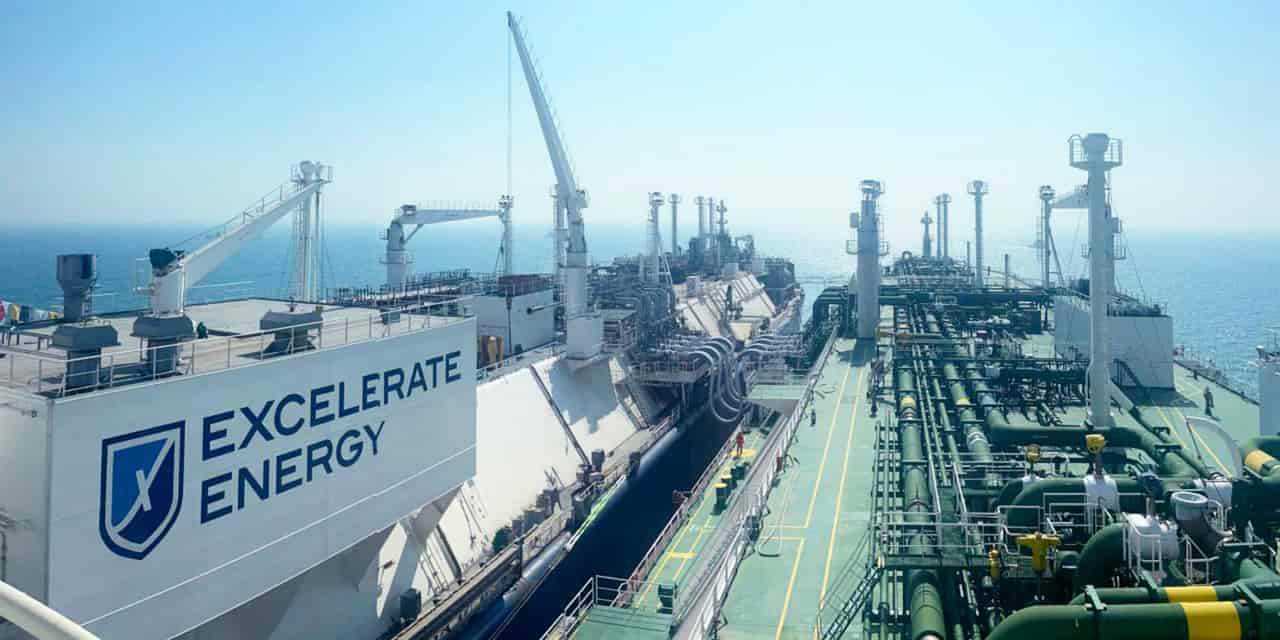
An outage at Bangladesh's Moheshkhali Floating LNG terminal, caused by a spark in a control panel, has halted the supply of approximately 17 million cubic meters of gas daily to the national grid. This disruption exacerbates an already critical energy situation for the country's industries, particularly the vital textile sector.
Textile mills are grappling with years of critically low gas pressure, often receiving as little as 1.5 PSI compared to the required 10 PSI for reliable operation. This has led to substantial production losses, with one owner estimating Tk450 crore in damages. The energy crisis has forced many factories to rely on more expensive alternatives like compressed natural gas (CNG) and liquefied petroleum gas (LPG), significantly increasing operational costs. Generating electricity with natural gas costs Tk7.5-8 per kilowatt-hour (kWh), while using CNG pushes the cost to Tk14-15 per kWh.
The prolonged energy shortages have crippled the industry, with 234 textile mills having closed since 2014. Entrepreneurs attribute the crisis to a combination of factors: persistent energy scarcity despite significant gas price hikes, the nearly 40% depreciation of the Bangladeshi Taka against the US dollar, and increased competition from imported yarn and fabrics. The unreliability of the national power grid further compels factories to generate their own electricity, increasing their dependence on natural gas.
Beyond textiles, other industries such as ceramics, tyres, and footwear are also suffering from unreliable energy supplies and low gas pressure, disrupting production and driving up costs. Industry leaders warn that the $23 billion textile sector, a cornerstone of Bangladesh's export economy, is on the verge of collapse, potentially losing ground to competitors in India and China. A recent government decision to remove the value-addition requirement on imported raw materials is seen by industry leaders as a final blow, potentially leading to further mill closures and a decline in local value addition, which has already fallen to 61% in the January-March quarter.