Key facts
- Australia is considering building its first new fuel refinery since the 1960s.
- The federal government is funding a $4 million pre-feasibility study for the potential refinery.
- The proposed refinery would be located in Western Australia.
- The initiative aims to enhance Australia's energy security and resilience to global oil shocks.
- Ongoing tensions related to the U.S.-Iran war are cited as a key driver for the study.
Australia is initiating a study into building its first new oil refinery in over six decades, a move driven by concerns over fuel security exacerbated by global oil price volatility linked to the ongoing conflict involving Iran. The federal government will allocate $4 million towards a pre-feasibility study to assess the viability of constructing a large-scale refinery, potentially in Western Australia.
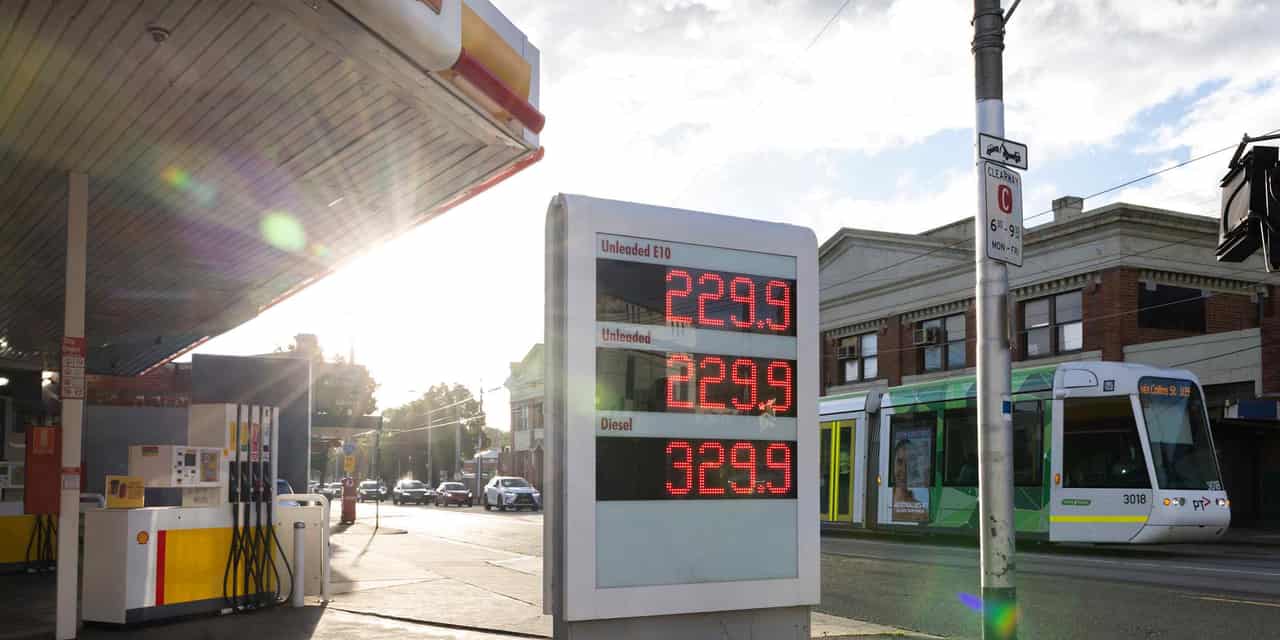
Prime Minister Anthony Albanese is set to announce the study, which is a joint initiative with the Western Australian government. The proposal has been put forward by Perdaman, a company known for its fertiliser production. If realized, this would be Australia's third refinery, joining existing facilities in Brisbane and Geelong, which currently supply only 10-20% of the nation's fuel needs. Australia currently imports nearly 90% of its refined fuels, a vulnerability highlighted by a recent fire at the Geelong refinery and broader global supply chain disruptions.
Resources Minister Madeleine King emphasized that while a new refinery would still rely on imported crude oil, the ability to store crude for longer periods than refined products offers a critical advantage during times of crisis, enhancing sovereign capacity. However, energy analysts like Saul Kavonic from MST Financial caution about the economic viability, noting that six of Australia's eight refineries have closed in recent decades due to competition from larger Asian facilities. Kavonic also pointed out that while global crude oil shortages have been a concern, refined product shortages have been more acute, suggesting that domestic refining capacity could still improve resilience, particularly for essential fuels like jet fuel and diesel.
The study is part of a broader $10 billion federal government package aimed at securing the nation's fuel supply and energy sovereignty. Potential locations for the refinery are being investigated across Western Australia, with the state's energy minister highlighting the strategic importance of such a facility in the large and isolated state to complement its existing resource, agriculture, and transport industries.