Key facts
- Shizuoka Governor Yasutomo Suzuki approved construction for the Shizuoka section of the Linear Chuo Shinkansen maglev line.
- The approval resolves a decade-long deadlock for the project.
- This clears the last major hurdle for the high-speed rail line.
- The maglev line will connect Tokyo and Nagoya.
- The Linear Chuo Shinkansen is a planned maglev train line.
- The project faced opposition related to environmental concerns about the Oi River's water flow.
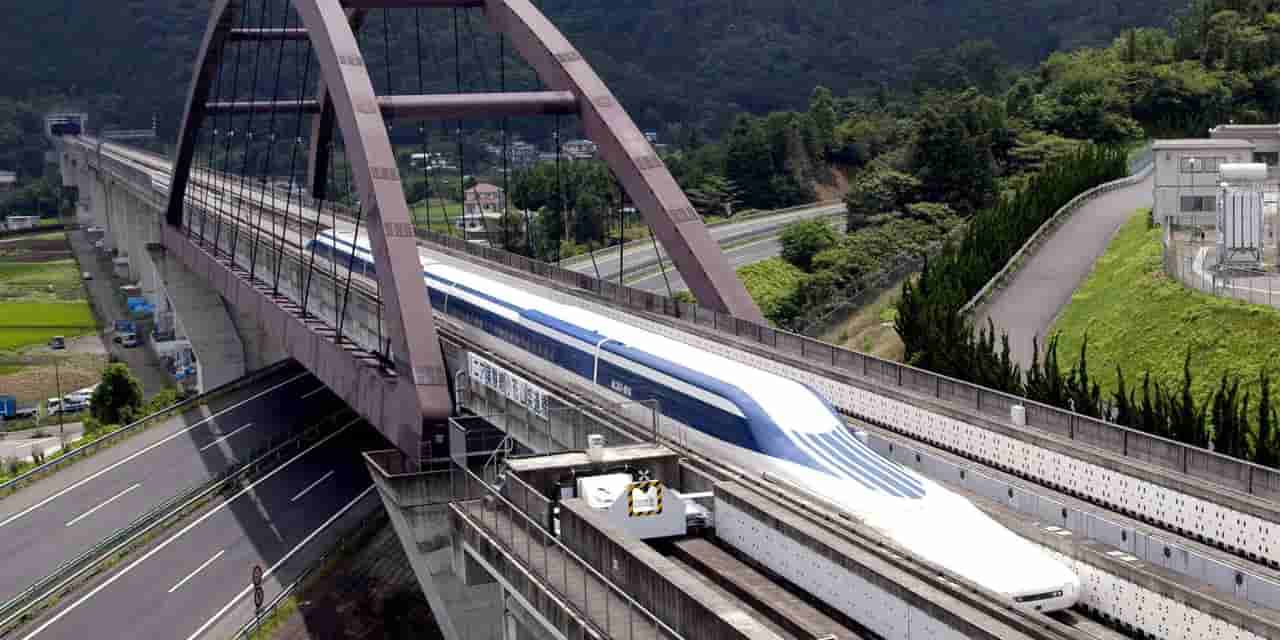
Shizuoka Governor Yasutomo Suzuki has granted approval for the construction of the Shizuoka section of the Linear Chuo Shinkansen maglev line. This decision represents a critical breakthrough, resolving a deadlock that has persisted for over a decade. The approval signifies the removal of the last major hurdle for the ambitious high-speed rail project, which aims to connect Tokyo and Nagoya. The Linear Chuo Shinkansen is a planned maglev train line that will significantly reduce travel times between Japan's major cities. The project has faced considerable delays, primarily due to environmental concerns and opposition from the Shizuoka prefecture regarding the potential impact of construction on the Oi River's water flow. Governor Suzuki's approval indicates that these concerns have been addressed or a compromise has been reached, allowing the project to move forward. The completion of this section is vital for the entire Chuo Shinkansen network, which is expected to revolutionize intercity travel in Japan. The line is designed to reach speeds of up to 500 kilometers per hour, drastically cutting down journey times. The project's advancement is seen as a major step towards modernizing Japan's transportation infrastructure and boosting economic activity along the route.