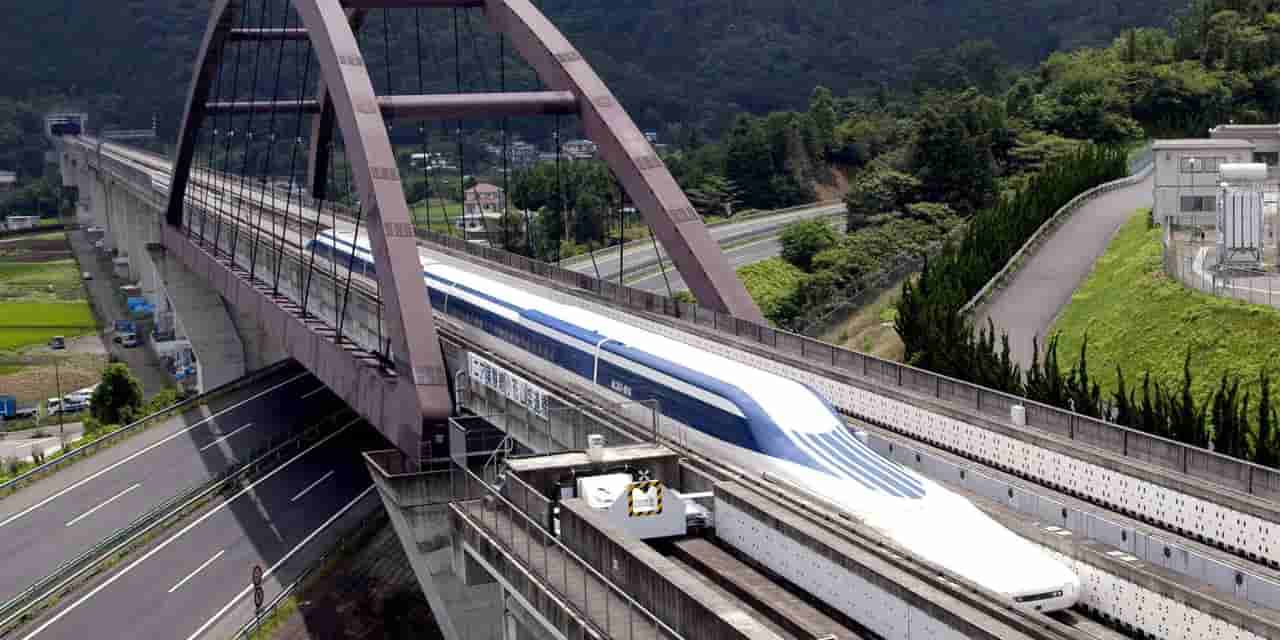
Key facts
- Shizuoka Governor Yasutomo Suzuki approved construction for the Linear Chuo Shinkansen maglev line's Shizuoka section.
- This approval resolves the final major obstacle for the high-speed rail project connecting Tokyo and Nagoya.
- The Shizuoka section was the only part of the planned line where construction had not yet begun.
- Previous delays were attributed to environmental concerns raised by the former prefectural governor.
- JR Tokai is now expected to finalize legal procedures and potentially sign an agreement with the prefecture.
Shizuoka Governor Yasutomo Suzuki has approved the construction of the Linear Chuo Shinkansen maglev line within the prefecture, marking a significant breakthrough for the high-speed rail project. This decision resolves the final major obstacle that had stalled the line connecting Tokyo's Shinagawa Station and Nagoya Station for over a decade.
The Shizuoka section was the sole remaining part of the planned route where construction had not commenced. Previous opposition was led by former Governor Heita Kawakatsu, who had raised concerns about the potential impact of construction on water flow in the Oigawa river system. Kawakatsu resigned in May 2024, paving the way for a new assessment of the project.
In March, an expert committee within the prefectural government approved countermeasures proposed by JR Tokai. Following resident briefings held between May and June, Governor Suzuki indicated that the necessary conditions for a decision were met. JR Tokai is now expected to complete the legal procedures required for construction approval and potentially enter into an agreement with the prefecture concerning environmental conservation.
The delays in Shizuoka have impacted the overall timeline, with the original planned opening date of 2027 for the Tokyo-Nagoya section now listed as undecided.