Key facts
- Shizuoka Governor Yasutomo Suzuki approved construction for the Linear Chuo Shinkansen maglev line's Shizuoka section.
- This approval resolves the final major obstacle for the high-speed rail project.
- The project connects Tokyo and Nagoya.
- The project faced a decade-long stalemate over the Shizuoka section.
- Concerns regarding environmental impact and water usage were central to the Shizuoka deadlock.
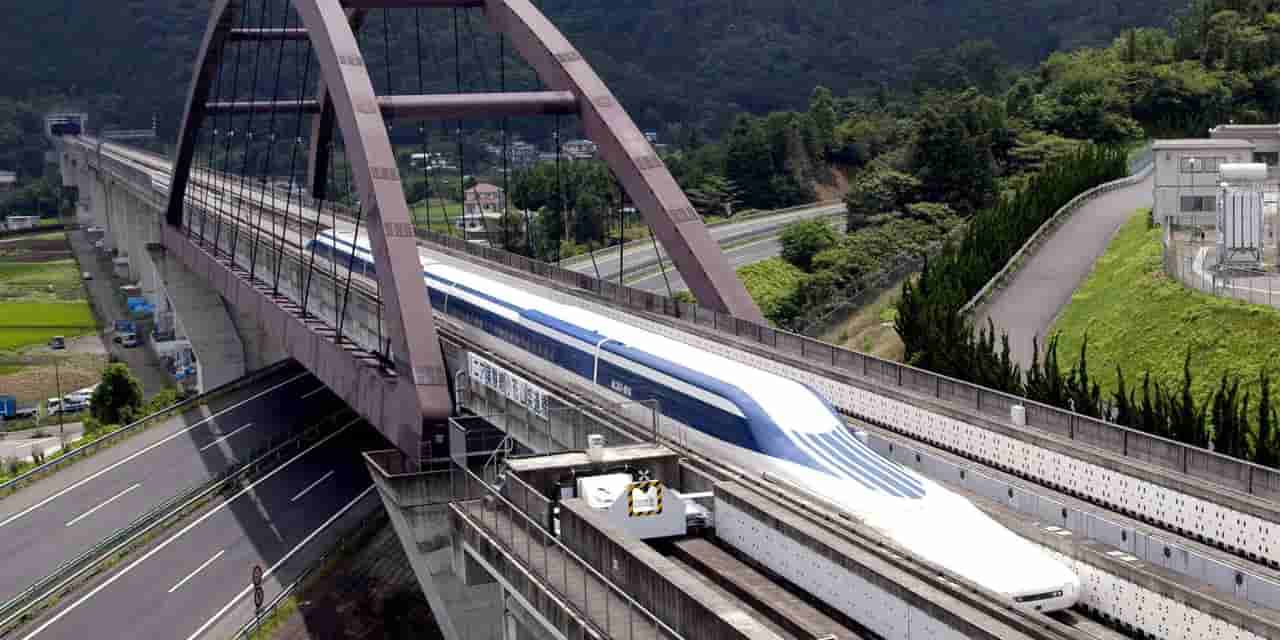
Shizuoka Governor Yasutomo Suzuki has granted approval for the construction of the Linear Chuo Shinkansen maglev line through the Shizuoka prefecture. This decision marks the resolution of the final major obstacle for the ambitious high-speed rail project, which is intended to link Japan's capital, Tokyo, with Nagoya. The approval comes after a protracted decade-long stalemate that had stalled progress on the Shizuoka section of the line.
Discussions and negotiations surrounding the Shizuoka segment have been complex, primarily focusing on environmental impact assessments and concerns over water resources. The mountainous terrain of Shizuoka presents unique engineering challenges, and local officials have sought assurances regarding the potential effects of tunnel construction on the region's environment, particularly its water tables and rivers. Governor Suzuki's approval signifies that these concerns have been addressed to a degree that allows the project to proceed.
The Linear Chuo Shinkansen project is a flagship infrastructure initiative for Japan, aiming to drastically reduce travel times between major cities. The maglev technology promises speeds significantly higher than conventional high-speed rail. The resolution of the Shizuoka issue is critical for the overall timeline and feasibility of the entire Tokyo-Nagoya route, which has been a subject of intense planning and investment for years.