HomeEverything
Equities & FundsCrypto & Digital AssetsAI & TechnologyBusiness & CorporateUS Politics & PolicyGeopolitics & Global RiskMacro, Rates & FXCommodities & EnergyEuropean Politics & MarketsAsia-PacificReal Estate & Property
← All Stories

Woman suffers cobalt poisoning from hip replacement

Created at 2 Jul · 2:11 PM1 source↑ Market-relevant
IN SHORT

A 56-year-old woman experienced severe neurological, cardiac, and thyroid symptoms due to cobalt poisoning, traced back to a hip replacement revision surgery. Doctors discovered metallic fluid and dead tissue around her hip joint.

✉Newsletter

PiQ Daily

Pick your topics. Get only what matters, on your cadence.

Key Numbers

56-year-oldpatient age
eight weekssymptom duration before hospital admission
19 yearship replacement failure duration
three monthstime between hip revision and symptom onset
592 nanograms per milliliterpre-surgery cobalt blood level
less than 10 ng/mLnormal cobalt blood level
62.4 nanograms per milliliterpre-surgery chromium blood level
less than 0.2 ng/mLnormal chromium blood level

Who's Involved

New England Journal of Medicine
published the case report
Bajwa et al.
authors of the case report
Woman suffers cobalt poisoning from hip replacement

↳ Why This Matters

This case highlights a rare but severe complication of hip replacement surgery, where metallic components can lead to toxic metal poisoning, causing significant systemic health issues and requiring extensive medical intervention. It underscores the importance of thorough investigation into implant materials and potential wear debris in patients presenting with unexplained multi-systemic symptoms.

Key facts

  • A woman developed severe neurological, cardiac, and thyroid symptoms attributed to cobalt poisoning.
  • The poisoning was linked to a hip replacement revision surgery involving a cobalt-chromium alloy component.
  • Doctors found metallic fluid and discolored tissue around the patient's hip joint during a second surgery.
  • Blood tests revealed cobalt levels 59 times higher than normal and chromium levels over 300 times higher than normal.
  • The patient underwent a second revision surgery and began chelation therapy for cobalt removal.

A 56-year-old woman was admitted to the hospital with a severe and worsening array of symptoms, including a progressive "pins and needles" sensation in her extremities, difficulty walking, short-term memory problems, concentration issues, irritability, loss of appetite, and heart palpitations. Her medical history included high blood pressure, anxiety, depression, hypothyroidism, and a previous hip replacement from 20 years prior.

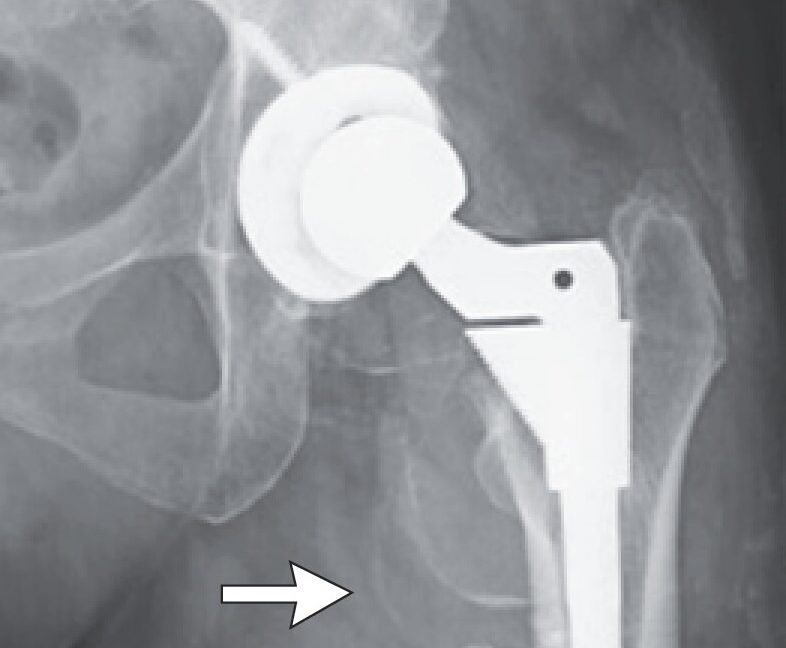
Doctors noted that four weeks before her current symptoms began, her thyroid medication dosage was increased. However, they initially attributed her neurological symptoms to potential nerve damage from a recent hip revision surgery, though this did not fully explain the bilateral nature of her symptoms or her other health issues. Thorough examinations revealed tachycardia and reduced sensitivity to touch in all four limbs. Blood work showed elevated hemoglobin levels, and an X-ray of her hip indicated deposits around the artificial joint.

Upon receiving records from her hip revision surgery, which occurred three months prior, doctors learned that the original titanium and ceramic hip joint had failed, causing the ceramic liner to shatter. During the revision, the ceramic liner was replaced with polyethylene, and the ceramic femoral head was replaced with a cobalt-chromium alloy. The original titanium components were retained. Doctors immediately diagnosed severe cobalt poisoning, which aligned with her neurological, cardiac, and thyroid dysfunction, as well as her elevated hemoglobin levels due to cobalt's effect on hypoxia-induced factor.

The rapid progression of her toxicity led doctors to speculate that residual ceramic microparticles from the shattered liner may have caused excessive wear on the new cobalt-chromium head, releasing cobalt into her bloodstream. A second hip revision surgery confirmed this, revealing a pool of grey, metallic fluid and necrotic, silver-gray stained tissues around the joint. Surgeons cleaned the area, replaced the cobalt-chromium head with a ceramic one, and initiated chelation therapy. Pre-surgery blood tests showed cobalt levels at 592 ng/mL (normal <10 ng/mL) and chromium levels at 62.4 ng/mL (normal <0.2 ng/mL). Her recovery was described as slow and non-linear.

Frequently asked questions

The woman suffered cobalt poisoning due to wear and tear on a cobalt-chromium alloy component of her artificial hip joint, which released toxic metal into her bloodstream.

Symptoms included tingling and numbness in her extremities, memory problems, difficulty concentrating, irritability, loss of appetite, heart palpitations, and elevated hemoglobin levels.

Surgeons found a pool of grey, metallic fluid and necrotic tissue stained silver-gray with cobalt around the hip joint.

The cobalt-chromium component was replaced with a ceramic one, the joint was cleaned, and the patient began chelation therapy to remove cobalt from her body.

What Happens Next

01The patient's recovery is ongoing.
02Further monitoring of cobalt and chromium levels will be necessary.

Get the newsletter.

Pick the topics you actually care about. We'll email when there's news worth your time, on the cadence you choose. Cancel any time from your account.

Cadence

How It Developed

A 56-year-old woman presented with progressive neurological symptoms including tingling, numbness, memory loss, and concentration difficulties.
She also experienced heart palpitations and an increase in thyroid medication dosage.
Doctors investigated potential causes, including vitamin deficiencies and autoimmune disorders, but found no clear leads.
Imaging revealed deposits around her artificial hip joint.
Medical records indicated a recent hip revision surgery where a cobalt-chromium alloy component was used.
Doctors diagnosed severe cobalt poisoning, explaining her symptoms and elevated hemoglobin levels.
A second hip revision surgery revealed a pool of grey, metallic fluid and necrotic, silver-gray stained tissues around the joint.
Surgeons replaced the cobalt-chromium component and initiated chelation therapy.

Sources

T1
Woman’s puzzling decline turns out to be cobalt poisoning from hip replacementvar abtest_2161667 = new ABTest(2161667, 'impression');Ars Technica

Related Stories

Egg producers agree to $3.3M settlement over alleged price fixing
1 Jul · 9:00 PM
EU finds 69% of fast fashion items fail safety standards
2 Jul · 8:10 AM
UPS never required detailed inspection of part that failed before engine flew off plane that crashed
2 Jul · 12:10 AM
Toyota to cover supplier losses after halting EV development
2 Jul · 2:05 AM
Ferrari owner sues parents over $530,000 supercar damage
2 Jul · 6:05 AM