HomeEverything
Equities & FundsCrypto & Digital AssetsAI & TechnologyBusiness & CorporateUS Politics & PolicyGeopolitics & Global RiskMacro, Rates & FXCommodities & EnergyEuropean Politics & MarketsAsia-PacificReal Estate & Property
← All Stories

Toyota to cover supplier losses after halting EV development

Created at 2 Jul · 2:05 AM1 source↑ Market-relevant
IN SHORT

Toyota Motor is reportedly planning to compensate suppliers for losses incurred due to the cancellation of a flagship electric vehicle development plan. This decision comes as the automaker recalibrates its EV strategy amid shifting market dynamics and consumer demand.

✉Newsletter

PiQ Daily

Pick your topics. Get only what matters, on your cadence.

Key Numbers

6 billion yencost of land for Fukuoka battery plant
$39 millionapproximate cost of land for Fukuoka battery plant
three yearswindow to begin construction on Fukuoka site
2025year for projected $9.5 billion U.S. tariff costs
1%reduction in annual production targets due to tariffs
10.85 million unitsannual production target reduction
20%year-over-year drop in Q2 2025 operating profit
10 percentreduction in global EV sales expectations
277,000 unitsprevious global EV sales forecast for FY ending March 2026
2026new target year for U.S.-made electric SUV production
2027estimated opening year for Shanghai EV factory
15%tariff on Japanese imports
$14 billioninvestment in North Carolina battery plant
30 gigawatt-hoursannual battery capacity at North Carolina plant

Who's Involved

Toyota Motor
automaker planning to compensate suppliers for EV development cancellations
Koji Sato
Toyota President who confirmed postponement of Fukuoka battery plant work
Fukuoka Governor
confirmed postponement of Fukuoka battery plant work
Toyota to cover supplier losses after halting EV development

↳ Why This Matters

Toyota's decision to compensate suppliers and its ongoing strategic shifts in EV development highlight the significant financial and operational challenges facing automakers as they navigate a complex and evolving electric vehicle market. This impacts the broader automotive supply chain and investor confidence in the sector's transition.

Key facts

  • Toyota Motor may compensate suppliers for losses due to a canceled flagship EV development plan.
  • The automaker has postponed the launch of its first U.S.-built electric SUV to early 2026.
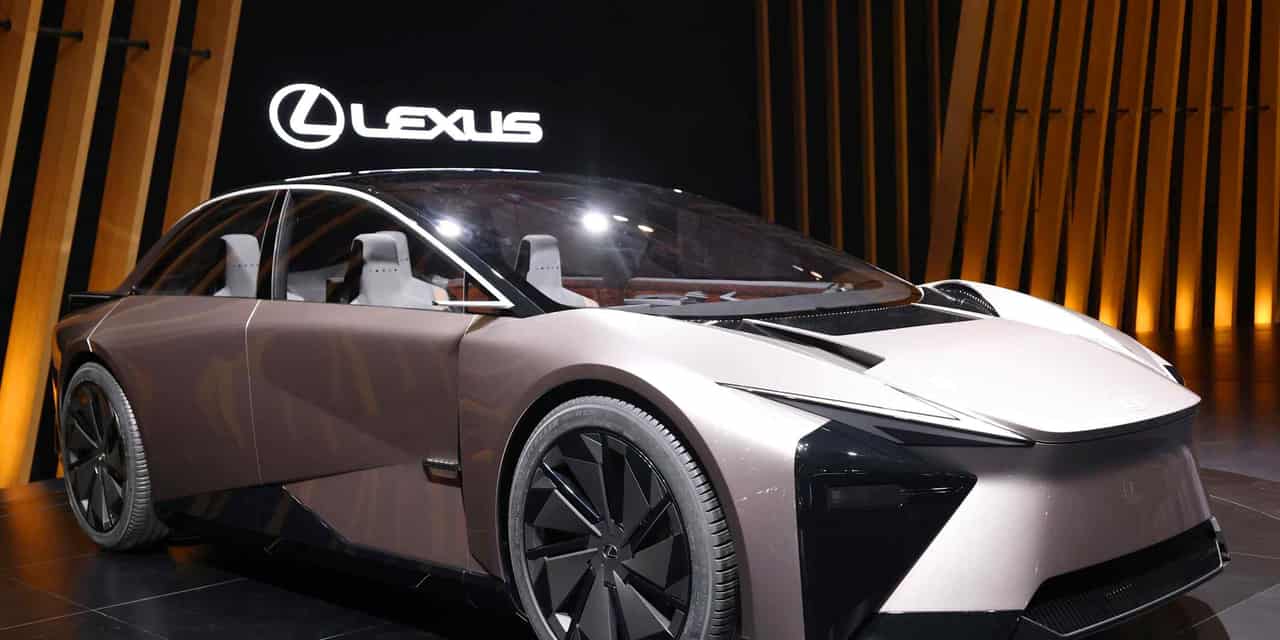
  • Plans to produce new Lexus electric SUVs in North America have been abandoned in favor of imports from Japan.
  • Toyota's Q2 2025 operating profit dropped 20% year-over-year.
  • U.S. tariffs are expected to cost Toyota $9.5 billion in 2025.
  • A planned EV battery factory in Fukuoka, Japan, has been delayed for a second time.
  • Toyota reduced its global EV sales forecast by 10% for the fiscal year ending March 2026.

Toyota Motor is reportedly preparing to cover a portion of the losses incurred by its suppliers due to the cancellation of a flagship electric vehicle development plan. This decision reflects a broader strategic reassessment by the automaker amid slowing global demand for EVs and a shift in priorities towards profitability under its new president.

Previously, Toyota had postponed the launch of its first U.S.-built electric three-row SUV from late 2025 to early 2026, citing decreased U.S. EV demand and increased popularity of hybrid vehicles. The company has also abandoned plans to produce new Lexus-branded electric SUVs in North America, opting instead to import these models from Japan, a move complicated by a 15% tariff on Japanese imports.

Despite these setbacks, Toyota is continuing to invest in its electrification strategy. Its $14 billion battery plant in North Carolina, operational since April 2025, is designed to produce 30 gigawatt-hours of battery capacity annually. Additionally, the company is upgrading its Indiana plant to produce a second all-electric SUV by late 2026. Toyota also plans to open a new factory in Shanghai, China, around 2027 to produce EVs for Lexus.

These strategic adjustments come as Toyota faces financial headwinds. The company reported a 20% year-over-year drop in operating profit for its second quarter of 2025, attributed to weaker sales and production issues. U.S. tariffs are projected to cost the company $9.5 billion in 2025, leading to a 1% reduction in annual production targets. Furthermore, Toyota has delayed its plan to build a new factory dedicated to EV batteries in Japan's Fukuoka Prefecture for the second time and has cut its global EV sales outlook by 10% for the fiscal year ending March 2026.

Toyota paid approximately 6 billion yen ($39 million) for the Fukuoka site, with an agreement to begin construction within three years. The automaker has stated that the plant will still proceed in due course, though an updated timeline has not been provided. The company maintains its long-term target of 1.5 million global EV sales in 2026, though this figure may evolve.

Frequently asked questions

Toyota is canceling its flagship EV development due to slowing U.S. EV demand, rising hybrid vehicle popularity, and a strategic pivot towards profitability.

Toyota's Q2 2025 operating profit dropped 20% year-over-year, and U.S. tariffs are projected to cost $9.5 billion in 2025, impacting production targets.

Toyota is investing in a large battery plant in North Carolina and has a delayed plan for a second battery factory in Fukuoka, Japan.

Yes, Toyota cut its global EV sales expectations by 10 percent for the fiscal year ending March 2026.

What Happens Next

01Toyota is expected to provide an updated timeline for the Fukuoka battery plant.
02Toyota will continue to develop its U.S. EV manufacturing capabilities and its Shanghai EV factory.

Get the newsletter.

Pick the topics you actually care about. We'll email when there's news worth your time, on the cadence you choose. Cancel any time from your account.

Cadence

How It Developed

Toyota Motor may incur significant costs to partially compensate suppliers for losses related to a canceled flagship EV development plan.
Toyota has postponed the launch of its first U.S.-built electric three-row SUV from late 2025 to early 2026.
The automaker abandoned plans to produce new Lexus-branded electric SUVs in North America, opting to import them from Japan.
Toyota's battery plant in North Carolina, operational since April 2025, is a cornerstone of its electrification strategy.
The company is upgrading its Indiana plant to produce a second all-electric SUV by late 2026.
Toyota's Q2 2025 results showed a 20% year-over-year drop in operating profit.
U.S. tariffs are projected to cost Toyota $9.5 billion in 2025, leading to a 1% reduction in annual production targets.
Toyota has delayed its plan to build a new factory dedicated to EV batteries in Japan's Fukuoka Prefecture for the second time.

Sources

T1
Toyota to partly cover supplier losses after halting EV developmentNikkei Asia
T2
Toyota's Strategic EV Shift and U.S. Manufacturing Realignment ...ainvest.com
T2
The EV Slowdown Just Made Toyota Change Its Mind Againcarscoops.com

Related Stories

Nissan CEO Aims to Revive Brand by Shifting Away from Rental Sales
1 Jul · 8:21 PM
Micron and GM sign semiconductor supply agreement
1 Jul · 12:44 PM
Big Tech companies spent billions on layoffs
1 Jul · 9:40 AM
Aflac Japan reports data breach affecting 4.38 million customers
1 Jul · 5:20 PM
Egg producers agree to $3.3M settlement over alleged price fixing
1 Jul · 9:00 PM