Key facts
- UK retailers warn that a tax loophole on imports under £135 could make the UK a "dumping ground" for foreign fast-fashion companies like Shein and Temu.
- The European Union is set to remove its de minimis threshold for low-value imports on July 1.
- The UK government has pledged to close its similar loophole but not until 2029.
- Retailers argue this delay will lead to increased competition and an unfair playing field.
- Closing the loophole could generate an estimated £1.7bn annually in taxes.
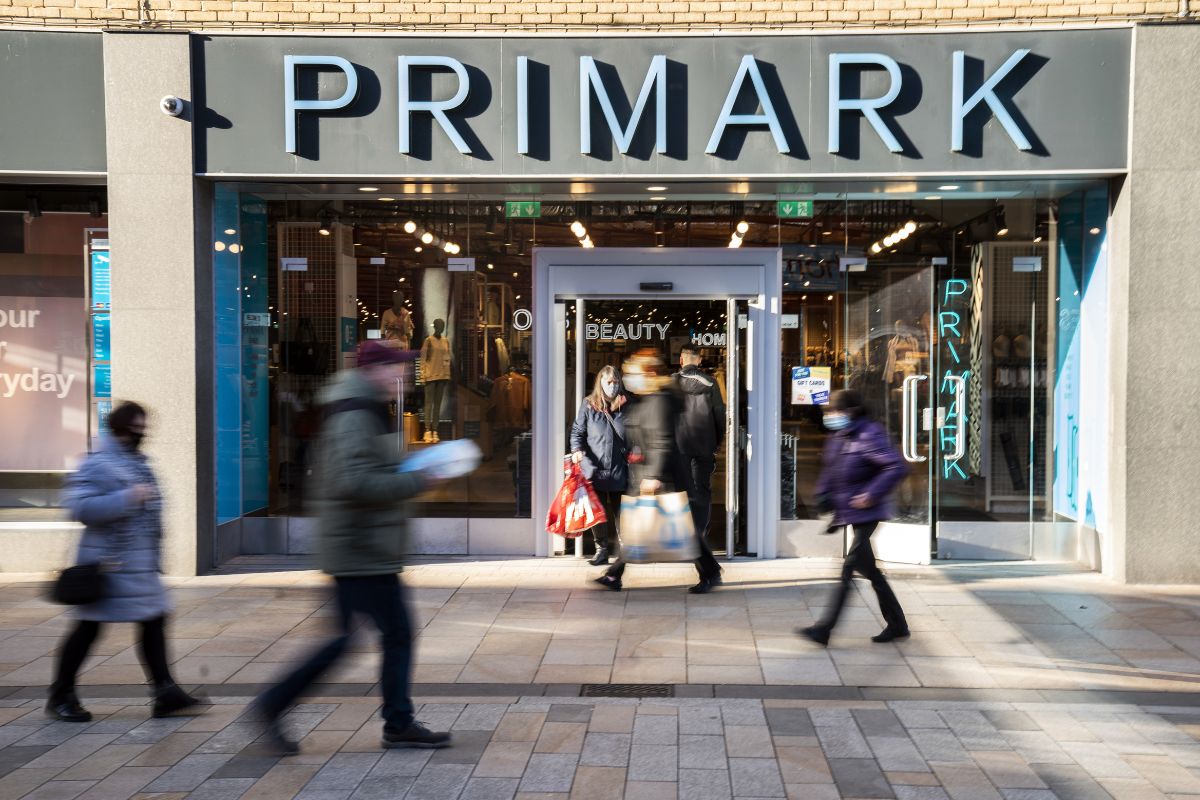
UK retailers are sounding the alarm that the country risks becoming a "dumping ground" for international fast-fashion giants like Shein and Temu once the European Union removes its de minimis threshold for low-value imports on July 1. British high street firms, including Primark and Monsoon Accessorize, argue that the current exemption from customs duties for goods under £135 gives an unfair advantage to overseas sellers.
The UK government has pledged to close this loophole but has set a timeline of 2029, a delay that retailers find unacceptable. They warn that once the EU clamps down, companies like Shein and Temu will likely redirect their focus to the UK market, exacerbating existing competitive pressures. Monsoon Accessorize CEO Nick Stowe expressed frustration with the timing, stating that while businesses and the government agree on the need for action, the pace is too slow.
The British Retail Consortium (BRC) echoed these concerns, with director Andrew Opie stating that retailers cannot afford to compete on an unfair playing field for another three years. Primark highlighted that closing the loophole would not only "level the playing field" but also raise millions in taxes for the Exchequer while supporting domestic jobs and high streets.
Andrew Goodacre, chief executive of the British Independent Retailers Association (BIRA), suggested that the government should implement an interim measure to address the issue sooner, following the EU's example. Leading retailers, including Next, M&S, and Currys, had previously written to the Chancellor urging faster action, emphasizing that overseas retailers with no UK footprint undermine businesses that employ millions and pay local taxes and import duties.
A spokesperson for Shein responded by stating that the company supports fair customs rules and is engaging with HMRC. They asserted that Shein's success is driven by its production model, not the de minimis threshold, and that measures increasing costs for British shoppers would not benefit consumers or retailers.