Key facts
- Most seasonal workers in Britain are now from Central Asian countries such as Kyrgyzstan and Tajikistan.
- The UK government's Seasonal Worker Scheme has been extended until at least 2029.
- Visa numbers for horticulture and poultry workers are allocated annually, with figures set for 2025 and 2026.
- Agricultural leaders warn that farms could fail without seasonal migrant labor.
- Workers often incur debt to cover visa and travel costs.
- Concerns exist regarding potential exploitation, including threats and wage deductions.
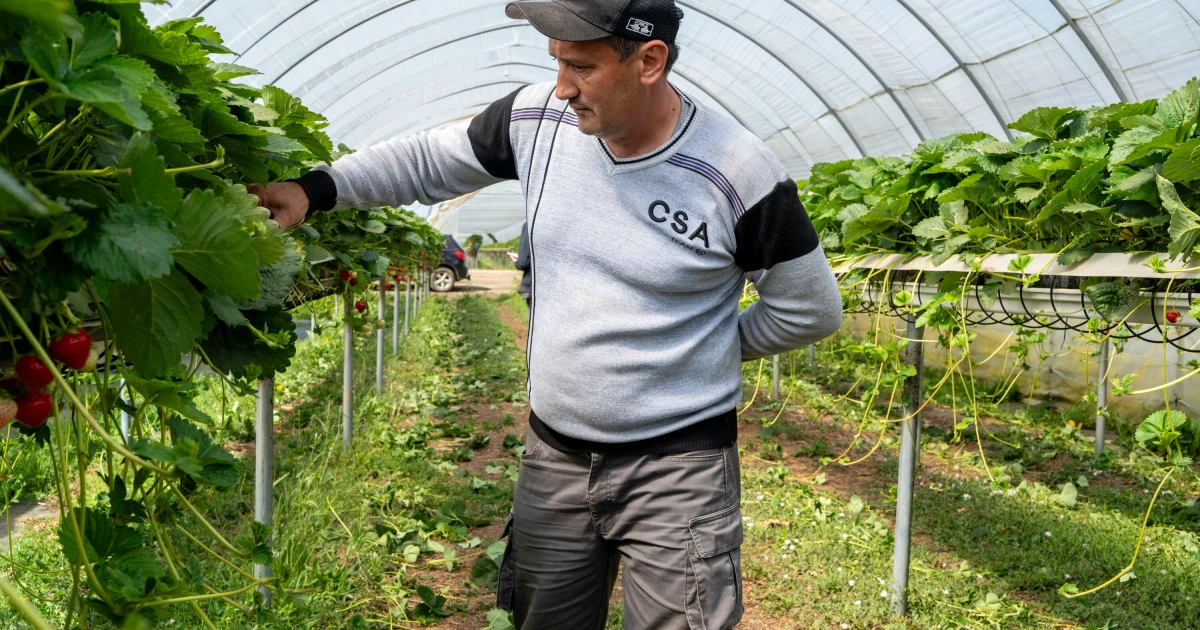
Ten years after Brexit, British farms are increasingly dependent on seasonal workers from Central Asian countries, particularly Kyrgyzstan and Tajikistan, to fill labor shortages. The UK's Seasonal Worker Scheme, initiated as a pilot in 2019 and extended until at least 2029, now provides tens of thousands of visas annually for horticulture and poultry workers.
Data from the government's 2024 survey indicates that 91.5% of respondents on the Seasonal Worker visa came from Kyrgyzstan, Tajikistan, Kazakhstan, and Uzbekistan, with Kyrgyzstan being the largest single nationality. Agricultural leaders, including the National Farmers' Union, emphasize that the sector cannot function without these migrant laborers, highlighting the critical need for certainty regarding visa numbers.
The scheme has seen a substantial expansion, from under 3,000 visas in 2019 to as many as 57,000 available in 2024. The Migration Advisory Committee noted that seasonal agricultural work is physically demanding, low-wage, and often rural, making local recruitment difficult. This reliance on imported labor extends beyond Europe, reflecting post-Brexit border policies.
While many workers reported positive experiences and a desire to return, the labor model has a concerning aspect. Workers often arrive with significant debts due to paying their own migration costs. Civil society groups have warned of risks related to debt, potential exploitation such as threats of visa cancellation or wage deductions for not picking fast enough, and dependence on scheme operators for essential services like housing and job access.