Key facts
- Six Premier League clubs are currently without a front-of-shirt sponsor.
- The ban on gambling companies as front-of-shirt sponsors starts in the 2026-27 season.
- Top clubs like Manchester United and Manchester City secure over £40 million annually from non-betting sponsors.
- Chelsea is reportedly seeking £60 million for its shirt sponsorship but may only achieve half that amount.
- Aston Villa is expected to receive less than half of its previous sponsor's deal.
- Increased supply of sponsorship opportunities is not being met by equivalent demand from non-betting brands.
Six Premier League clubs are still searching for front-of-shirt sponsors weeks before the new season begins, a situation largely attributed to the league's upcoming voluntary ban on gambling companies in this prominent advertising space.
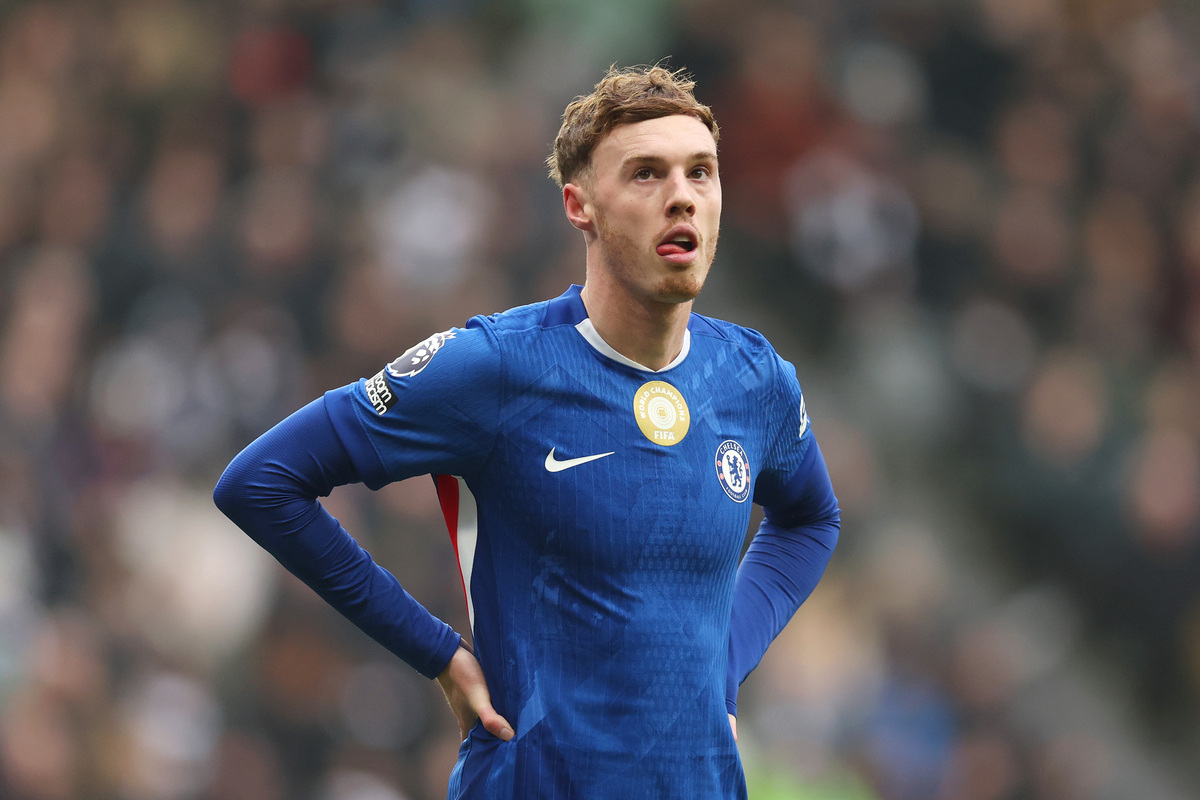
Chelsea, Aston Villa, Fulham, Nottingham Forest, Sunderland, and Hull City have yet to announce their main commercial partners for the 2026-27 season. This comes as the league transitions away from betting firms, which previously dominated the front-of-shirt sponsorship market. Last season, 11 out of 20 Premier League clubs featured gambling companies on their shirts.
Experts suggest that betting brands had inflated the market, particularly targeting Asian consumers, and their departure has created a significant void. Simon Dent, chairman of creative agency Firmative, noted that the ban has left clubs with reduced earning potential compared to historical figures. Neil Hopkins, chief strategy officer at M+C Saatchi Sport and Entertainment, added that while the gambling ban is the primary challenge, it is not the only one.
Clubs like Aston Villa and Sunderland, who qualified for European competitions, had hoped this would elevate their sponsorship appeal, but this has not yet materialized. Hopkins observed that a sponsorship 'Big Six' still exists, with historically larger clubs like Manchester United, Manchester City, Liverpool, Arsenal, and Tottenham Hotspur earning upwards of £40 million annually from global brands, avoiding gambling sponsors due to their extensive international fanbases.
Chelsea's prolonged search for a sponsor has been linked to demanding too high a price amid fluctuating on-field performance. Dent anticipates that Aston Villa may struggle to secure half of what their previous sponsor, Betano, paid. Similarly, Chelsea is reportedly seeking £60 million but may only achieve around £30 million. Fulham, Forest, and Sunderland are considered to be in the middle market, facing similar challenges.
While sectors like AI and crypto were tipped to fill the gap, they have not fully compensated for the loss of betting sponsors. Crystal Palace's new sponsor is an AI company, Temporal, but another firm, IFS, did not renew its brief deal with Chelsea. Hopkins stated that the increased supply of sponsorship opportunities is not being met by sufficient demand, and sponsorship values below the elite tier are more price-sensitive, suggesting clubs still seeking deals may face a shortfall.