Key facts
- Businesses are delaying recruitment due to uncertainty over the incoming Prime Minister's tax policies.
- London job vacancies fell 5% in Q2 compared to Q1.
- Professional job vacancies are down 3% year-on-year.
- Less than 25% of firms plan to increase staff, while over 10% plan cuts.
- Nearly 75% of companies report difficulty finding new staff.
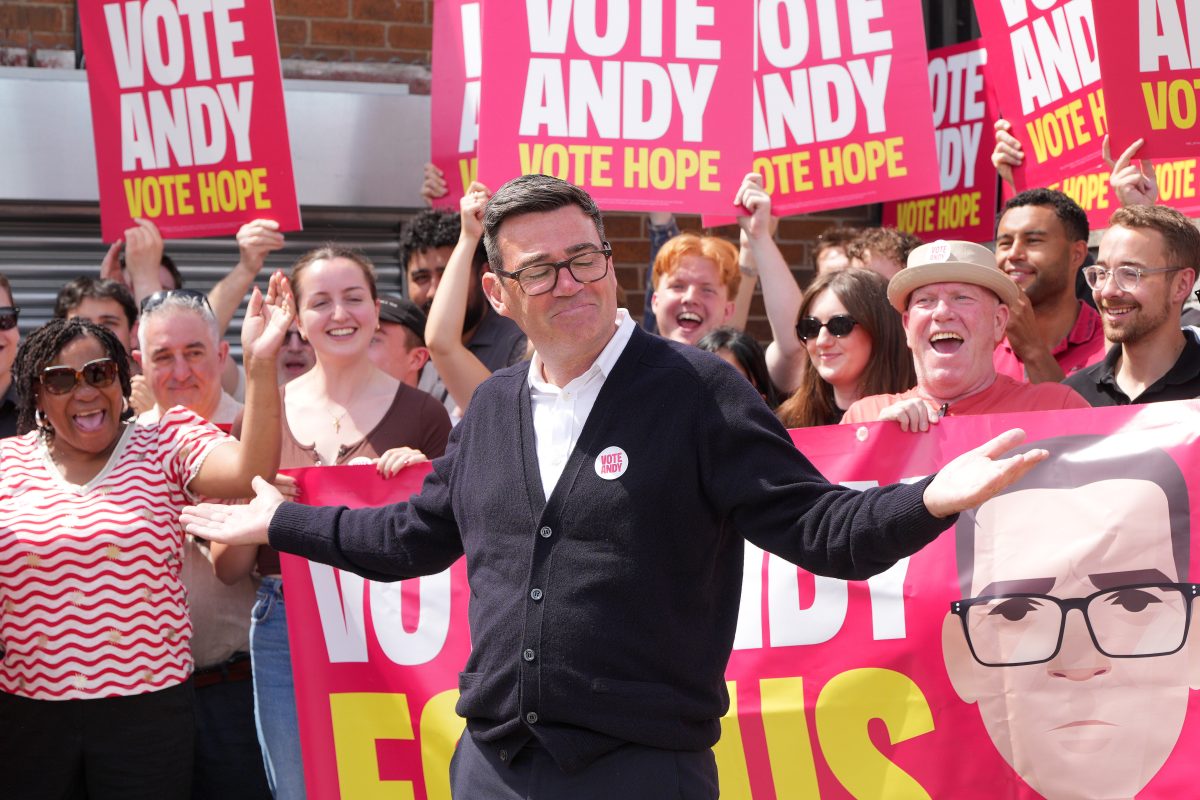
Businesses in the UK are significantly slowing their hiring plans due to uncertainty surrounding the potential tax policies of an incoming Andy Burnham premiership. New research indicates that employers are pausing recruitment as they await clarity on the economic direction and priorities of the likely new government.
The latest employment monitor from recruiter Morgan McKinley revealed a 5% slump in available jobs in London during the second quarter compared to the first three months of the year. Professional job vacancies specifically decreased to 4,636, a 3% drop year-on-year.
Further research from the British Chambers of Commerce (BCC) showed that less than a quarter of firms are planning to expand their workforce in the coming months, with just over 10% intending to reduce staff numbers. Mark Astbury, director at Morgan McKinley, noted that political uncertainty is causing many organisations to delay recruitment until greater clarity emerges.
Patrick Milnes, head of people and work policy at the BCC, stated that if the next Prime Minister aims to foster growth, supporting businesses in investing in skills should be a core economic strategy. Recruitment challenges are also a significant issue, with nearly three-quarters of companies reporting difficulties in finding suitable candidates. Businesses are also contending with rising employment costs, including national insurance contributions and upcoming employment law changes, which are impacting hiring decisions and budgets.
Despite a modest upgrade to the UK's economic growth forecast by the International Monetary Fund (IMF) to 1%, the overall sentiment among businesses remains subdued. The IMF did express optimism regarding inflation, expecting it to return to the 2% target by mid-next year. However, global economic stability has been affected by factors such as soaring energy prices driven by the conflict in the Middle East, which previously pushed oil prices above $120 per barrel. Morgan McKinley's Astbury commented that stronger-than-expected GDP growth has not translated into hiring confidence, and demand will likely remain strongest in sectors that can drive growth, enhance productivity, and support digital transformation.