Key facts
- A shareholder group has filed complaints against South Korea's Labor Minister and the CEOs of Samsung Electronics and SK hynix.
- The complaints allege abuse of power, obstruction of rights, coercion, and breach of trust.
- The core issue is the inclusion of performance bonuses in recent wage deals, which the group argues should not be subject to collective bargaining.
- Samsung's wage agreement includes a special semiconductor performance bonus of 10.5% of business performance earnings.
- SK hynix has a profit-sharing system allocating 10% of its semiconductor division's operating profit to employee bonuses.
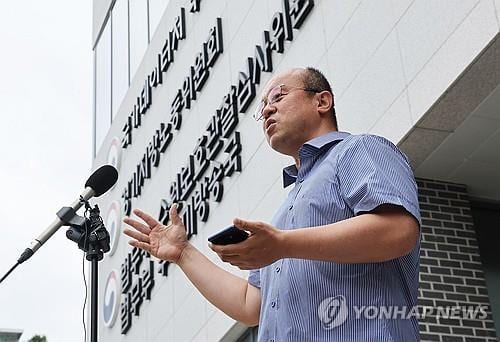
A minority shareholder rights group in South Korea has filed complaints against Labor Minister Kim Young-hoon and the chief executive officers of Samsung Electronics and SK hynix. The complaints stem from recent wage deals that include performance bonuses, which the group argues should not be part of collective bargaining.
The Korea Shareholders Movement Headquarters filed a complaint with the Corruption Investigation Office for High-ranking Officials against Minister Kim, accusing him of abuse of power, obstruction of the exercise of rights, and coercion. The group contends that Kim facilitated the conclusion of Samsung's tentative wage agreement, despite performance bonuses not being subject to labor disputes.
Separately, the group lodged a complaint with the National Office of Investigation against Samsung Electronics CEOs Jeon Young-hyun and Roh Tae-moon, and SK hynix CEO Kwak Noh-jung, on charges of breach of trust. They allege that the CEOs agreed to performance bonus demands without thorough review, creating a mechanism to siphon off corporate assets. The group also asserts that predetermining a percentage of pre-tax operating profit for bonuses and distributing corporate funds requires approval at a general shareholders' meeting.
Under the May wage agreement, Samsung will offer a special semiconductor performance bonus equivalent to 10.5 percent of business performance earnings. SK hynix has a profit-sharing system that allocates 10 percent of its semiconductor division's operating profit to employee bonuses.