Key facts
- Many privately held businesses, including homebuilders, have owners over 55, highlighting a broad succession challenge.
- Succession planning is crucial for M&A valuations and capital provider confidence in the consolidating homebuilding industry.
- Partners in Building has formalized a succession plan, with Jim Lemming moving to chairman and Chris Lemming taking over as president.
- The succession at Partners in Building was a deliberate 18-month process involving executive coaching and operational cross-training.
- Chris Lemming's leadership development included legal and finance experience before his operational roles at Partners in Building.
A significant succession challenge is emerging within the private homebuilding sector, mirroring broader trends in privately held businesses across the United States. As founders and long-serving leaders age, many companies are facing the critical question of who will lead them into the future, a factor increasingly scrutinized by investors and potential acquirers.
Several prominent U.S. homebuilders, including D.R. Horton, NVR, Toll Brothers, Sekisui House (U.S.A), KB Home, Meritage Homes, and Lennar, have either initiated or intensified their CEO succession planning over the past five to six years. This focus is driven by the reality that a substantial portion of privately held businesses, with millions of employees and trillions in revenue, are led by owners over the age of 55.
The issue of succession is often overlooked in the day-to-day operations of homebuilding companies, yet it is considered an existential strategic challenge comparable to customer focus, capital resilience, and land acquisition. The ability to navigate leadership transitions effectively is becoming a key determinant for capital providers in a consolidating market.
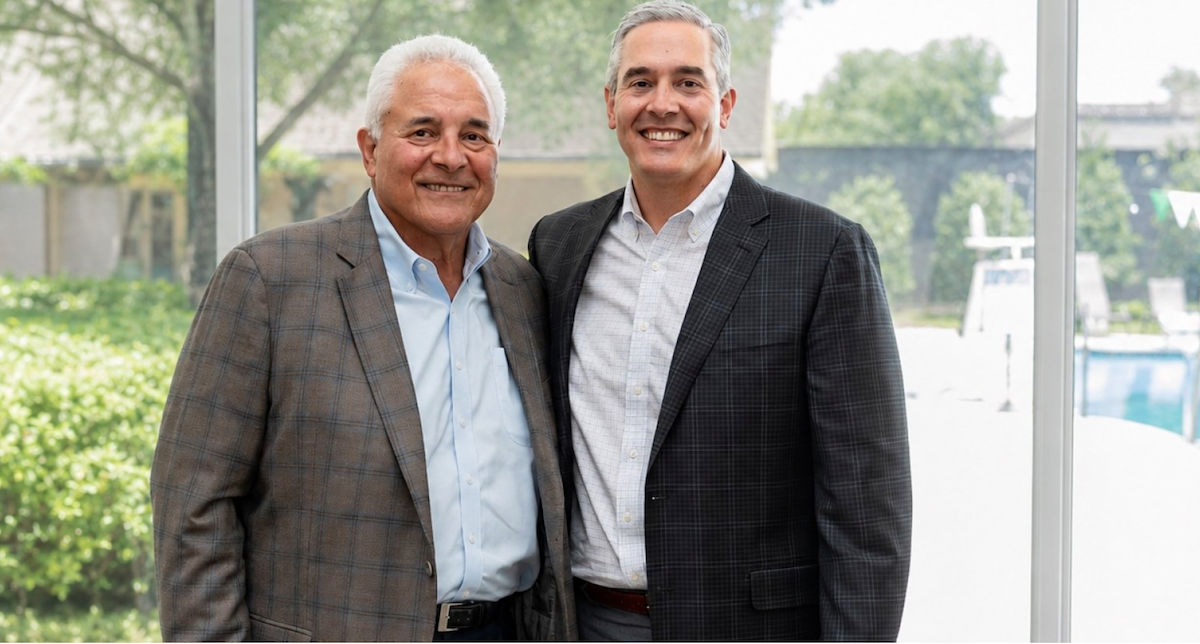
Partners in Building, a Houston-based custom homebuilding company, serves as a case study for a deliberate and replicable succession approach. The company recently announced that President and CEO Jim Lemming will transition to chairman, with his son, Chris Lemming, assuming the presidency. This transition is the result of an 18-month formalized planning process involving executive coaching and extensive operational cross-training.
Jim Lemming emphasized the intentionality of the process, aiming to prepare the organization for future challenges rather than simply reacting to a leadership change. The company provided advance notice of Chris's future role, arranged shadowing and overlap periods, and ensured employees had visibility into the transition timeline. This contrasts with research suggesting many organizations focus more on identifying potential leaders than on actively preparing them.
Chris Lemming's journey to leadership was not immediate or automatic. After gaining critical thinking skills through law school and finance-related legal work, he was drawn to the operational side of business. He spent a decade at Partners in Building, advancing through various leadership roles and spearheading expansion efforts before his current appointment. He highlighted his father's curiosity and people-centric approach as key leadership lessons passed down.