Key facts
- Porsche CEO Michael Leiters confirmed that a fully electric version of the 911 sports car will not be produced.
- The 911 will continue to utilize combustion and hybrid powertrains.
- Porsche intends to focus electrification efforts on the 718 family, including the Cayman and Boxster.
- The company will continue to invest in electric mobility selectively, aligning with customer demand.
- Porsche has noted a recent trend of weaker demand for electric models and a return to combustion engines.
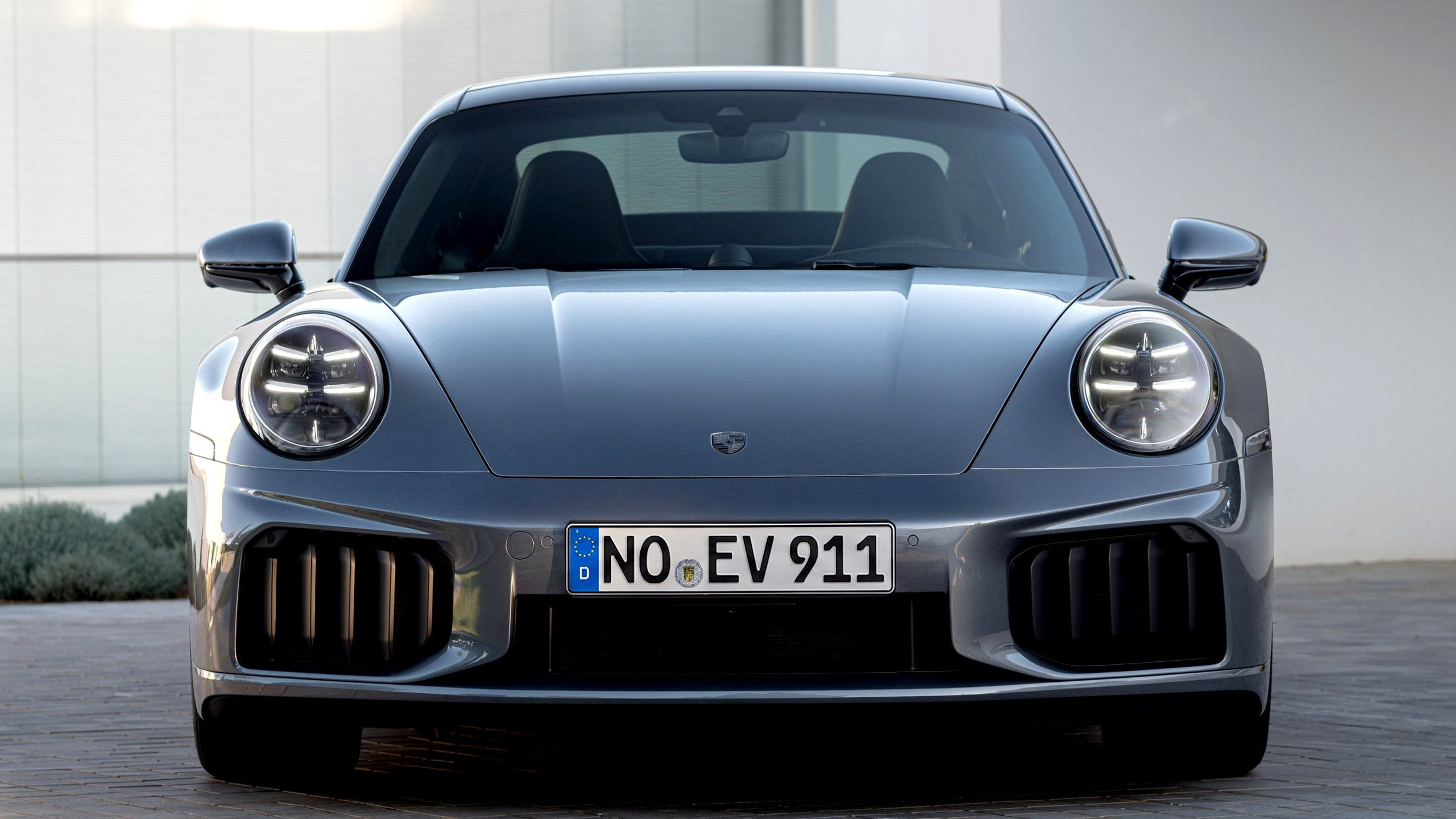
Porsche will not be producing a fully electric version of its iconic 911 sports car, according to CEO Michael Leiters. Speaking at an event hosted by "Auto, Motor und Sport," Leiters indicated that the 911 will continue to rely on combustion and hybrid powertrains for the foreseeable future.
This decision comes as Porsche observes a broader trend of weaker-than-expected demand for electric models, leading to a partial shift back towards combustion-engine vehicles. The company plans to continue investing in electric mobility selectively, with strategies guided by customer demand. While the 911 remains committed to its traditional powertrains, Porsche's 718 family, including the Cayman and Boxster, is on track to receive battery-electric variants.
Porsche has positioned the 911 as the last model in its lineup to transition to full electrification. The company's T-Hybrid system, utilized in certain 911 trims, aims to enhance performance through electrification without the full weight penalty of a battery-electric setup. This approach allows Porsche to explore electrification benefits while maintaining the core identity of its flagship sports car.