Key facts
- Adidas and Nike are competing for market dominance through marketing campaigns tied to the 2026 FIFA World Cup.
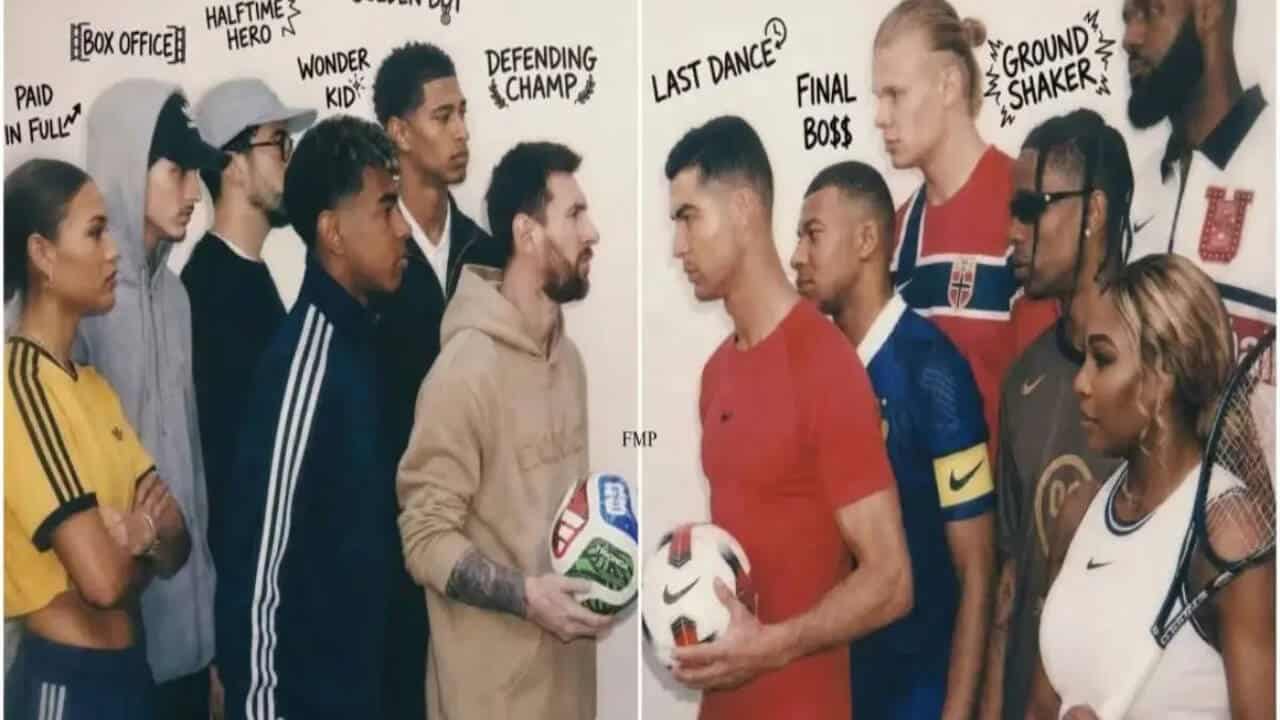
- Adidas' "Backyard Legends" campaign features a mix of current stars, legends, and celebrities, utilizing AI for de-aging effects.
- Nike's "Rip the Script" campaign also boasts a star-studded lineup of athletes and cultural figures.
- Adidas has a slight edge in team sponsorships and official FIFA partnership status for the tournament.
- Despite Nike's higher overall sales, Adidas has demonstrated stronger recent sales growth and a superior global brand reputation.
The 2026 FIFA World Cup, expanding to 48 teams and co-hosted by the United States, Canada, and Mexico, has become the stage for an intense marketing rivalry between sportswear giants Adidas and Nike.
Adidas has entered the tournament with a strategic advantage, sponsoring 14 teams compared to Nike's 12. As an official FIFA global partner and the provider of the official match ball since 1970, Adidas benefits from unparalleled visibility within the sport. The brand also boasts a stronger global reputation, ranking second in the RepTrak Top 100 Global Brand report, while Nike is ranked 50th.
In terms of sales, Nike generated $46 billion last year, significantly more than Adidas' $29 billion. However, Adidas has shown stronger recent momentum, with sales growing 16% in the first quarter of 2026, while Nike's sales have declined. Adidas' "Backyard Legends" campaign, featuring stars like Lionel Messi and Jude Bellingham, and utilizing AI to de-age legends such as Zinedine Zidane and David Beckham, aims to leverage its deep sporting credentials.
Nike, facing pressure in other business areas, is integrating football into its broader cultural landscape with its "Rip the Script" campaign. This campaign features athletes like Cristiano Ronaldo and Kylian Mbappé, alongside cultural icons such as LeBron James and Serena Williams. While Nike's campaign quickly garnered millions of views, surpassing Adidas' initial numbers, the overall contest is expected to play out across retail and social media.
Adidas is focusing its retail strategy on sports connections, partnering with Dick's Sporting Goods for in-store activations and with Nordstrom for shop-in-shops. Nike, conversely, is weaving football into its wider cultural narrative. The rivalry is set to reach new heights on the ultimate stage of the FIFA World Cup, with both brands vying for consumer mind share and passionate engagement.