Key facts
- Little Door & Co. operates multiple themed cocktail bars in London designed to mimic house parties.
- The venues offer unique features like karaoke in the bathroom and dress-up wardrobes.
- The company has seen revenue surpass £13.5m with a 26% year-on-year increase in walk-ins.
- A £5 door entry fee is charged, with patrons referred to as 'flatmates'.
- The concept appeals to Gen Z seeking nostalgic and communal social experiences, partly due to housing and rental constraints.
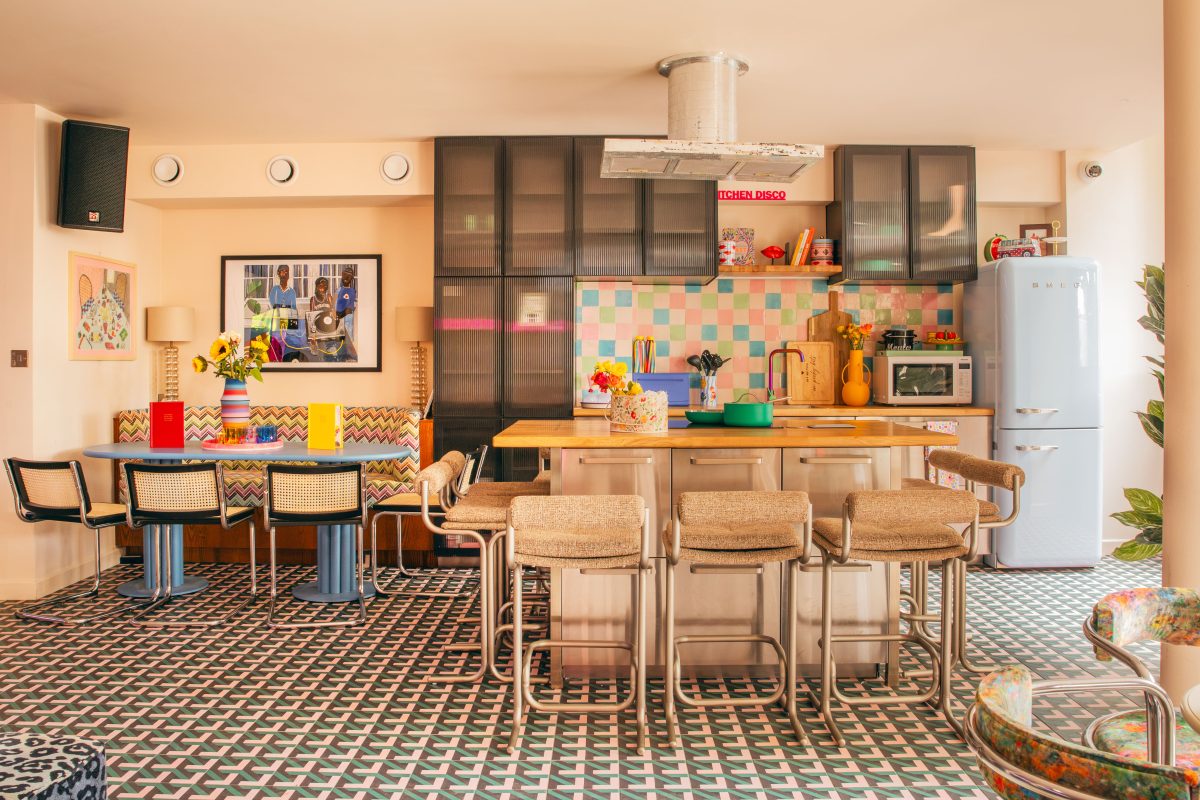
London's hospitality sector is facing challenges, yet a chain of cocktail bars called Little Door & Co. is thriving with its unique 'house party' concept. Co-founders Jamie Hazeel and Kamran Dehdashti have established multiple venues, each named after a color, designed to replicate the atmosphere and layout of a house party. Their largest venue, The Little Neon Door, features distinct areas like a living room, a kitchen doubling as a DJ booth, and a bathroom for karaoke. Guests are referred to as 'flatmates' and can utilize a wardrobe for dress-up options.
The company's success is evident in its financial figures, with revenue surpassing £13.5 million and walk-ins up 26% year-on-year. This growth occurs despite a broader downturn in the city's hospitality industry. Dehdashti attributes the appeal to a desire for the nostalgia and connection found in old-school house parties, suggesting a 'six degrees of separation' trust among patrons. The £5 entry fee is seen as accessible.
The concept taps into a 'party deficit' experienced by young Londoners, exacerbated by the housing crisis. Many cannot host parties due to space limitations or landlord restrictions, and a significant portion of advertised flatshares lack a living room. This context makes the promise of a communal, social space, even for a fee, appealing.
Little Door & Co. actively engineers the social environment by encouraging staff to engage with guests, participate in dress-up, and even offer games at the door. They differentiate their approach from rivals like Stormzy's 'House Party' venue by focusing on allowing a 'contemporary natural house party' to evolve organically within the created space, rather than using actors.
Dehdashti dismisses notions of Gen Z being 'puritanical', stating that their markers are up and they are simply more selective about their nights out, often prioritizing experiences like karaoke over traditional bar queues.