Key facts
- Honda has abandoned its 2040 goal of selling only battery-electric and fuel-cell vehicles.
- CEO Toshihiro Mibe stated the EV-only target is 'not realistic' due to business uncertainties and customer demand.
- The company plans to launch 15 new models featuring next-generation hybrid technology by March 2030.
- Honda is investing 4.4 trillion yen (approximately $28 billion) in hybrid powertrains.
- The automaker still aims to achieve carbon neutrality by 2050.
Honda has officially abandoned its ambitious 2040 target to sell only electric and fuel-cell vehicles, with CEO Toshihiro Mibe admitting the goal is "not realistic" given current business uncertainties and evolving customer demand. The Japanese automaker will instead pivot to a strategy focused on hybrid technology, planning to launch 15 new models equipped with next-generation hybrid powertrains by March 2030.
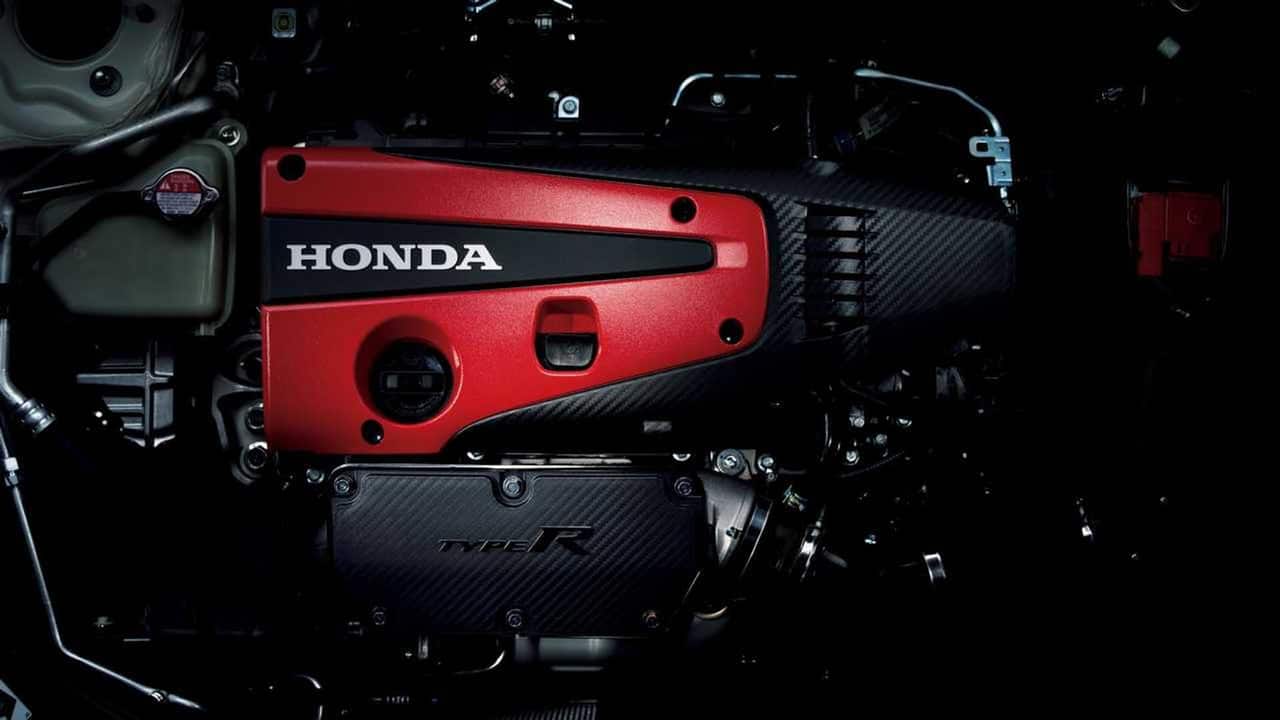
This strategic shift involves a substantial investment of 4.4 trillion yen, approximately $28 billion, dedicated to developing hybrid systems built around four- and six-cylinder gasoline engines. Larger vehicles are slated to feature a V6 hybrid setup promising improved efficiency and acceleration, while smaller hybrids, arriving from 2027, will utilize a new four-cylinder engine. Honda is also developing a new platform designed to reduce weight and increase parts commonality across models.
Despite stepping back from an all-electric future by 2040, Honda reaffirmed its commitment to achieving carbon neutrality by 2050. The company's previous EV-focused strategy had led to significant restructuring costs and contributed to its first annual loss in nearly 70 years, with the cancellation of several EV projects, including the 0 Sedan and 0 SUV, and the Afeela models developed with Sony.