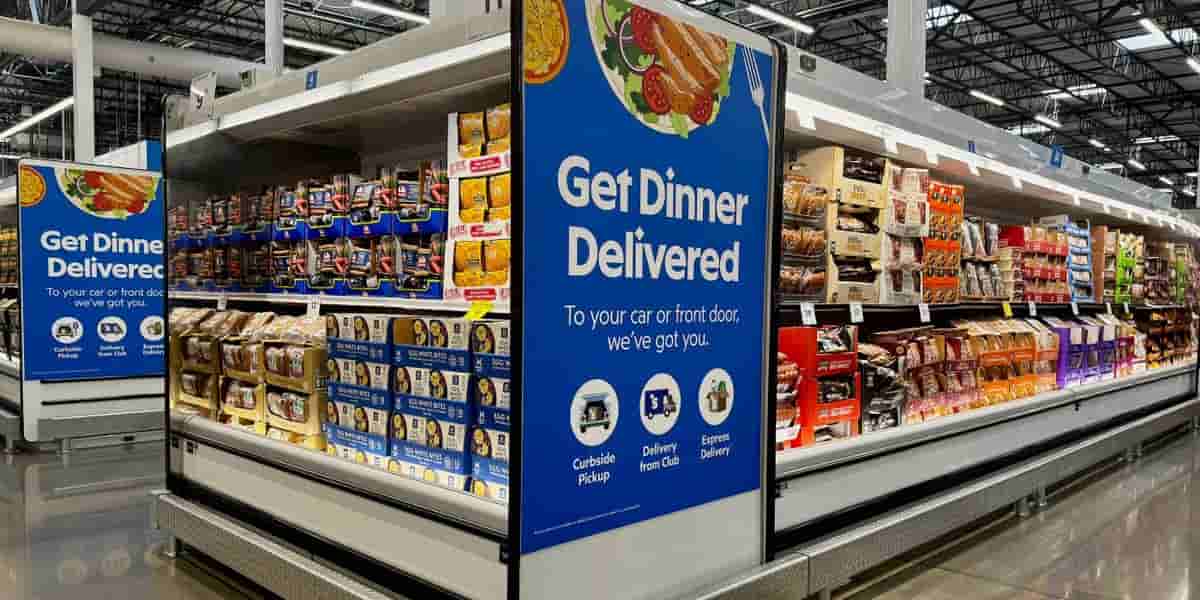
Grocery stores are emerging as significant competitors to traditional restaurants, offering prepared meals as a more affordable and convenient alternative for consumers grappling with inflation and busy schedules. Chains like Walmart and Sam's Club are actively expanding their selections of ready-to-eat and freshly prepared foods, aiming to capture meal occasions previously dominated by quick-service and fast-casual dining.
Walmart US CEO David Guggina noted the company's focus on providing value through meals, citing a rotisserie chicken meal for a family of four priced under $10. This strategy addresses the widening price gap between restaurant dining and grocery shopping, which has seen more stable pricing apart from recent inflationary pressures. A recent McKinsey report identified this shift towards grocery-prepared foods as a major theme reshaping the grocery industry, alongside e-commerce and AI.
The trend is particularly pronounced among younger consumers aged 18 to 29, who are increasingly substituting restaurant orders with grocery store meals. This demographic's preference for convenience and value is driving higher trip frequency across all store sections. Even warehouse clubs, typically known for bulk items, are diversifying their prepared food offerings with items like mac and cheese, taco kits, and sushi platters, responding to member feedback about time constraints and the high cost of dining out.
Furthermore, the integration of prepared foods with rapid grocery delivery services is blurring the lines between grocery shopping and restaurant delivery. Chains like Walmart, Sam's Club, and Costco are now offering prepared meal options alongside same-day fulfillment, with delivery speeds as fast as 30 minutes. However, experts emphasize that for this strategy to succeed, grocery stores must ensure their prepared foods deliver on flavor, freshness, and value to retain customer loyalty.