Key facts
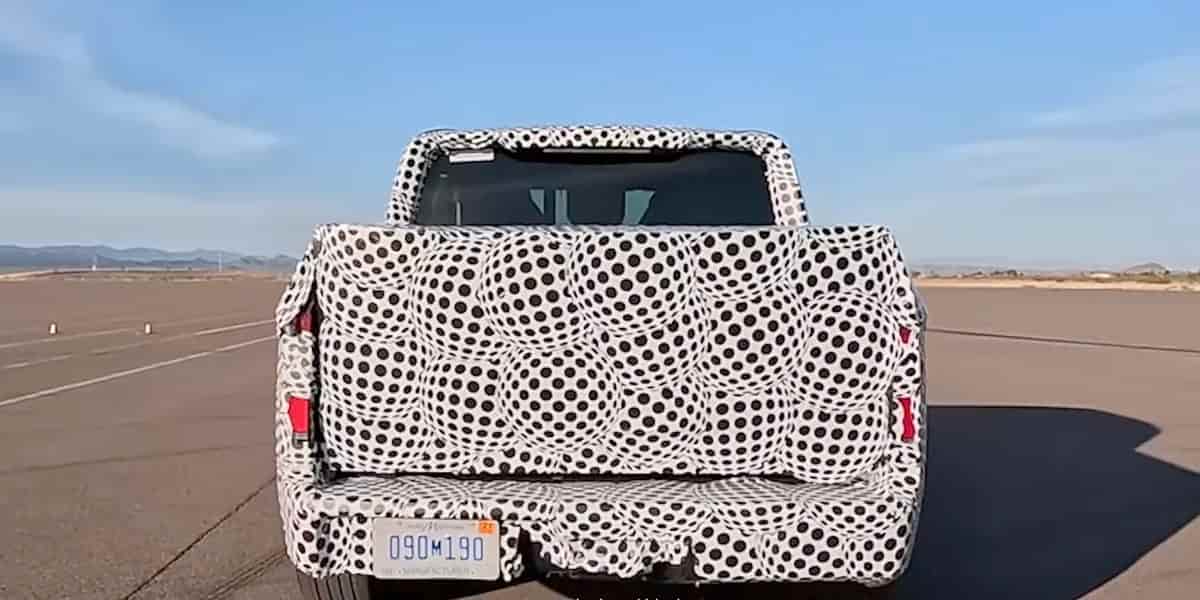
- Ford is using camouflage on its upcoming $30,000 EV pickup truck.
- The camouflage features QR codes that link to a dedicated Ford webpage.
- The webpage offers exclusive insights into the truck's development and production.
- Ford aims to build an audience and conceal the truck's final design with this strategy.
- The automaker previously discontinued the F-150 Lightning due to lower-than-expected sales.
Ford is employing a novel marketing strategy for its upcoming $30,000 electric pickup truck by using its camouflage as an advertisement. The wraps obscuring the vehicle's design feature playful imagery and QR codes that lead curious onlookers to a dedicated Ford webpage.
This hidden landing page, accessible by scanning the QR codes, declares "Congrats, You Spotted a Unicorn" and provides clearer footage of the pickup undergoing testing and production. It also invites visitors to sign up for updates. Alan Clarke, Ford's vice president of advanced development projects, appears in a video on the site, stating the website will offer exclusive insights into the truck's progress.
The dual-purpose camouflage serves to conceal the truck's final shape while simultaneously helping Ford build an audience and generate interest before its official unveiling. This approach comes as Ford navigates a challenging EV market. The company previously discontinued its F-150 Lightning after sales failed to meet its ambitious 150,000 unit-per-year goal, recording significant charges for EV restructuring.
In response to its initial EV plans faltering, Ford established a dedicated team to develop a cheaper and more efficient generation of electric vehicles based on a universal EV platform. This new strategy emphasizes faster manufacturing, aerodynamic designs, and fewer parts, with the camouflaged pickup being the first vehicle to test this approach. Ford claims this platform can support up to eight different vehicles using the same battery infrastructure.
Ford's push for lower-cost EVs coincides with the entry of new competitors into the US market, including startups like Slate, which offers an electric pickup for $24,950. Chinese automakers, particularly BYD, which became the world's largest seller of battery-electric vehicles, pose a significant threat due to their technology and affordability. Ford CEO Jim Farley has acknowledged the competitive pressure from Chinese manufacturers and tech companies entering the automotive space.