Key facts
- Volkswagen Group's supervisory board rejected a restructuring plan aimed at improving profitability.
- The plan proposed reducing the number of vehicle models offered by 50 percent and decreasing equipment options by up to 75 percent.
- The proposal did not explicitly detail job cuts or factory closures.
- The supervisory board voted 12-7 against the plan.
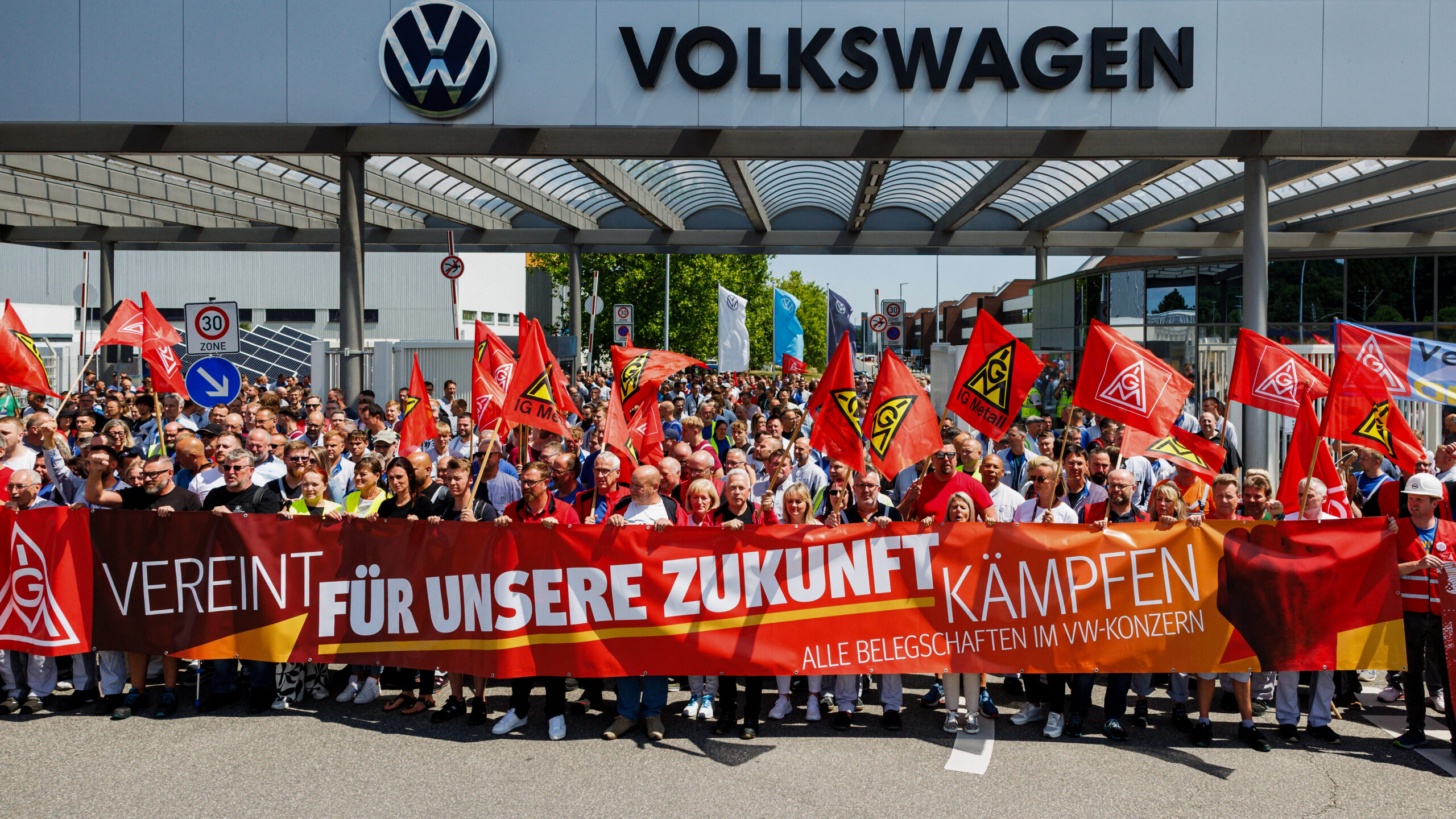
- Worker unions, which hold significant representation on the board, opposed the measure.
Volkswagen Group's supervisory board has rejected a proposed plan to streamline its operations and improve profitability, a move that unions opposed. The plan, presented on July 10, 2026, aimed to address challenges such as costly tariffs and eroding market share in China and North America, which have impacted the automaker's profit margins.
According to reports, the proposal included reducing the number of vehicle models offered across all VW Group brands by half and simplifying available equipment options by up to 75 percent. While the public statement did not explicitly mention factory closures or job cuts, the measure was voted down 12-7 by the supervisory board. Worker unions, which hold significant power with half of the board's seats appointed by worker councils, disagreed with the plan.
This rejection comes after previous negotiations and scaling up of job cut targets. In 2024, an agreement was reached to cut 35,000 jobs by 2030, a figure that had reportedly increased to 50,000 by March 2026. Recent reports suggested a potential for 100,000 job losses and the closure of four German factories, though these were not part of the presented plan. The company noted a mismatch between its annual production capacity of 10 million vehicles and global demand of 9 million, despite having reduced capacity since COVID-19.