Key facts
- The EU and Mercosul signed a Strategic Partnership Agreement on January 17, 2026.
- The agreement aims to boost trade and investment between the blocs.
- It creates one of the largest free trade areas globally.
- The agricultural sector is a key focus, with Brazil being a major exporter to the EU.
- The pact includes provisions for sustainable development and economic cooperation.
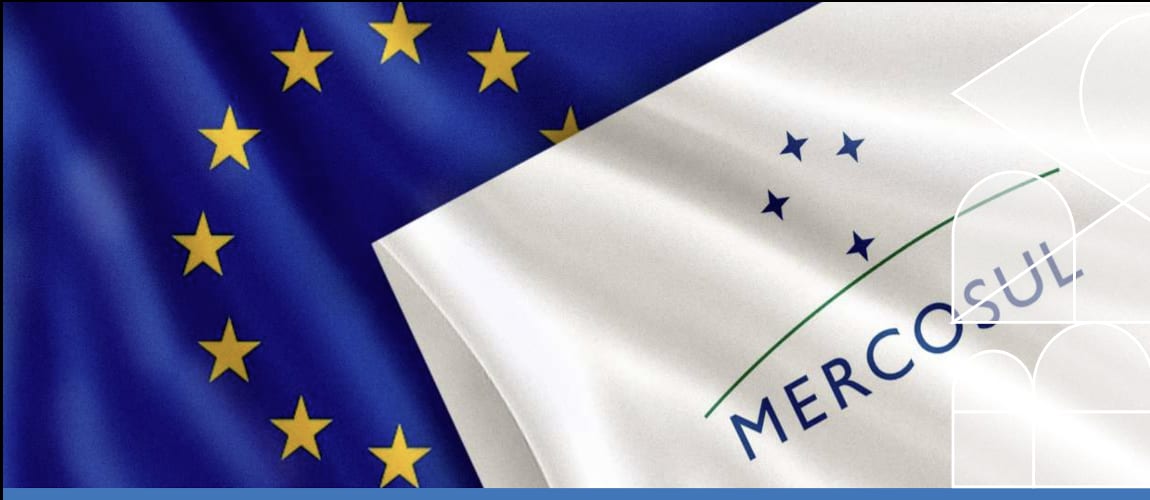
The Mercosul and European Union blocs have signed a Strategic Partnership Agreement, marking a significant step in their economic and political relations. The agreement, signed on January 17, 2026, after 26 years of negotiations, aims to create one of the world's largest free trade areas and bolster Brazil's economic transformation and sustainable development.
The pact is expected to yield substantial commercial benefits for Mercosul countries, including improved market access to Europe and increased investment attraction. It also aims to enhance the bloc's international standing and encourage other partners to engage with the South American customs union.
The EU, with a population of 450.4 million and a GDP of $19.99 trillion in 2025, represents a strategic market for Mercosul. The EU accounted for 13.6% of global agricultural imports in 2024, with a total agricultural trade of $494.18 billion. Brazil, the third-largest agricultural exporter globally in 2024 with $144.8 billion in exports, is a primary supplier of agricultural products to the EU, exporting $21.8 billion in 2025, which constituted 44% of its total exports to the bloc. This figure rises to $25.2 billion when considering the broader agribusiness sector.
The agreement emphasizes sustainable development, with collaborative commitments to reconcile trade with environmental goals. Brazil's sustainability credentials are noted, and the accord promotes the integration of supply chains for economic decarbonization and favors trade in sustainable products. The EU has pledged a cooperation package to support the agreement's implementation.
To safeguard market access gains, the agreement introduces a rebalancing mechanism to protect exporters against potential adverse effects from internal EU measures. The legal instruments comprise a Provisional Trade Agreement and the broader Strategic Partnership Agreement, which includes political and cooperation pillars alongside trade. Internal approval processes are now underway for both Mercosul and EU member states.