Key facts
- Delta Air Lines is introducing new luxury-class fares.
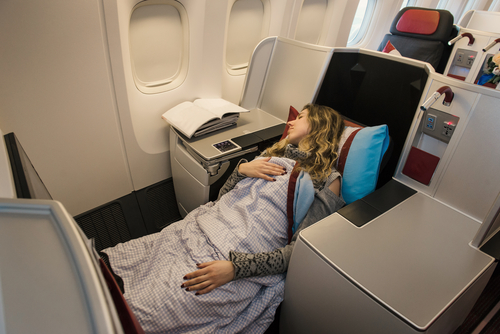
- These fares include lie-flat seats that recline to a 180-degree horizontal position.
- Lie-flat seats are designed to enhance comfort and aid in rest during long-haul flights.
- The concept of lie-flat seats is primarily found in business and first-class cabins.
- Basic business finance terms such as assets, liabilities, revenue, expenses, and profit are defined.
Delta Air Lines is the latest U.S. airline to introduce stripped-down, luxury-class fares, aiming to enhance the travel experience for passengers on long-haul flights. These premium offerings include lie-flat seats, which recline to a fully horizontal 180-degree position, effectively transforming into a bed.
Lie-flat seats are typically found in business and first-class cabins and are designed to provide superior comfort, aid in rest, and help passengers combat jet lag. While angle-flat seats also recline, they maintain a slight tilt and are generally considered less ideal for sleeping compared to fully flat options. Many airlines are prioritizing these lie-flat designs to offer a more enjoyable and convenient experience, with features like viewing screens, side tables, and storage compartments becoming standard.
Beyond travel comfort, a basic guide to business finances outlines essential terms for small business owners. Key concepts include the distinction between calendar and fiscal years, definitions of assets (what a business owns) and liabilities (what a business owes), and how equity is calculated (assets minus liabilities). The guide also explains revenue (total income from sales), expenses (costs of doing business), and profit (revenue minus expenses). It touches upon business taxes, noting that many businesses are pass-through entities, and introduces the concept of depreciation for assets like equipment.