Key facts
- Cracker Barrel sold its Maple Street Biscuit Co. assets to Biscuit Belly.
- Biscuit Belly acquired 35 Maple Street Biscuit Co. locations and its trademark.
- Cracker Barrel will close the remaining 16 Maple Street Biscuit Co. locations.
- The company anticipates up to $47 million in exit costs related to the Maple Street sale.
- Cracker Barrel generated approximately $77 million from a sale-leaseback deal on 26 stores.
- Proceeds from the sale-leaseback will be used to reduce Cracker Barrel's debt.
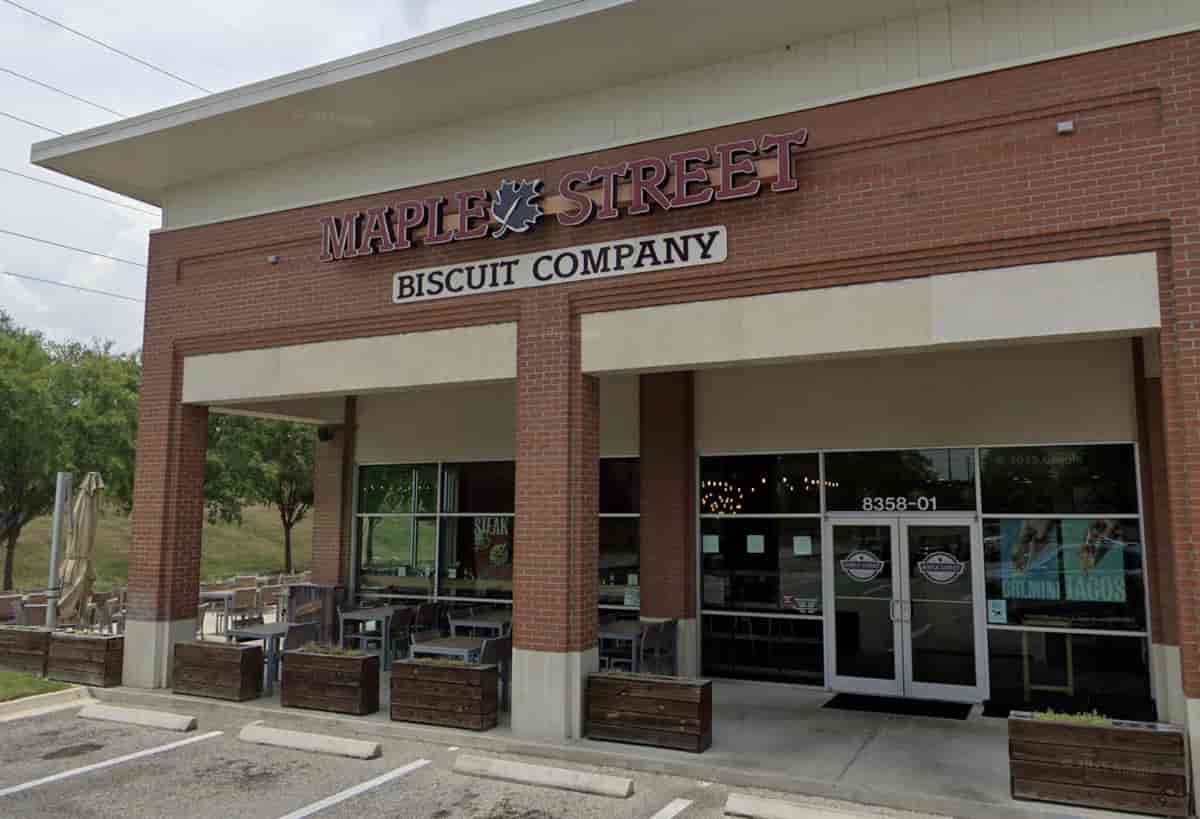
Cracker Barrel Old Country Store Inc. has divested its Maple Street Biscuit Co. subsidiary and completed a sale-leaseback transaction on 26 of its own stores, moves expected to enhance financial performance and future profitability. The company sold the assets of Maple Street Biscuit Co. to fast-casual chain Biscuit Belly, which acquired 35 existing locations along with the brand's trademark and intellectual property. Cracker Barrel plans to close the remaining 16 Maple Street Biscuit Co. restaurants, anticipating a total of up to $47 million in exit costs, including noncash charges and cash expenses for lease terminations and severance.
Despite these costs, Cracker Barrel expects the divestiture to improve earnings before interest, taxes, depreciation, and amortization starting in fiscal year 2027, as Maple Street contributed less than 2% to annual revenue. Concurrently, Cracker Barrel generated approximately $77 million in proceeds from a sale-leaseback deal with an institutional real estate investor for 26 of its company-owned stores. These funds are earmarked for debt reduction, and the transaction is also noted as tax-efficient, allowing the company to utilize capital loss carryforwards.
President and CEO Julie Masino stated that the sale-leaseback will enable debt reduction and real estate monetization at an attractive valuation, while divesting Maple Street sharpens the focus on the core Cracker Barrel brand and is projected to boost profitability. The company anticipates its fiscal year 2026 revenue and adjusted EBITDA will meet or exceed the upper end of its previous guidance.