Key facts
- Coca-Cola, Mondelez, Proctor & Gamble, and Hershey acknowledge consumer response to smaller package sizes and new price points.
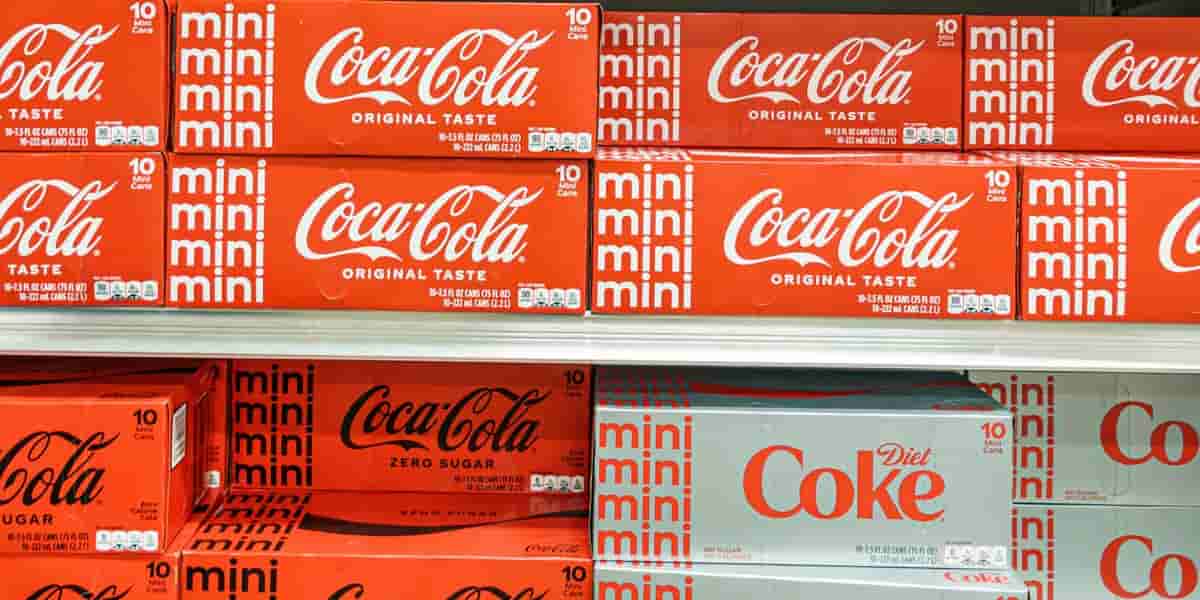
- Coca-Cola is offering mini-cans as a low-entry price option for lower-income consumers.
- Mondelez is developing new pack sizes and price offerings to meet consumer demand for value.
- Hershey's has transitioned to new retail pack sizes, including smaller options.
- Boston Beer Company introduced $10-and-under four-packs of Twisted Tea.
- Smaller portions may offer consumers more affordable access to products and potentially healthier options.
Major consumer product companies are increasingly turning to smaller package sizes and lower price points as a strategy to appeal to consumers facing tightened household budgets. Executives from Coca-Cola, Mondelez, and Hershey acknowledged in recent earnings reports that these smaller formats are resonating with shoppers.
Coca-Cola CEO Henrique Braun stated that lower-income customers are still pressured but are seeking ways to purchase their favorite beverages, with mini-cans serving as the lowest entry price point. Mondelez CEO Dirk Van de Put indicated the company is developing new pack sizes and price offerings in response to a consumer shift toward value.
Proctor & Gamble, however, noted that its customer base tends to be higher earners who prioritize value per dollar and often buy in bulk, leading the company to focus on product improvements rather than price reductions. Hershey's has largely completed a transition to new retail pack sizes, including smaller options, which began last year amid soaring cocoa prices.
Boston Beer Company also introduced new four-packs of its Twisted Tea specifically to offer an option under $10. Analysts suggest that while these smaller sizes might offer less value per ounce, they make previously unaffordable products accessible and can also serve as a healthier option by limiting portion sizes.
A recent survey by marketing firm Omnisend found that nearly half of respondents scaled back or canceled vacation plans due to high costs, with a significant portion planning to use the saved money for 'little treats,' underscoring the demand for affordable indulgences.