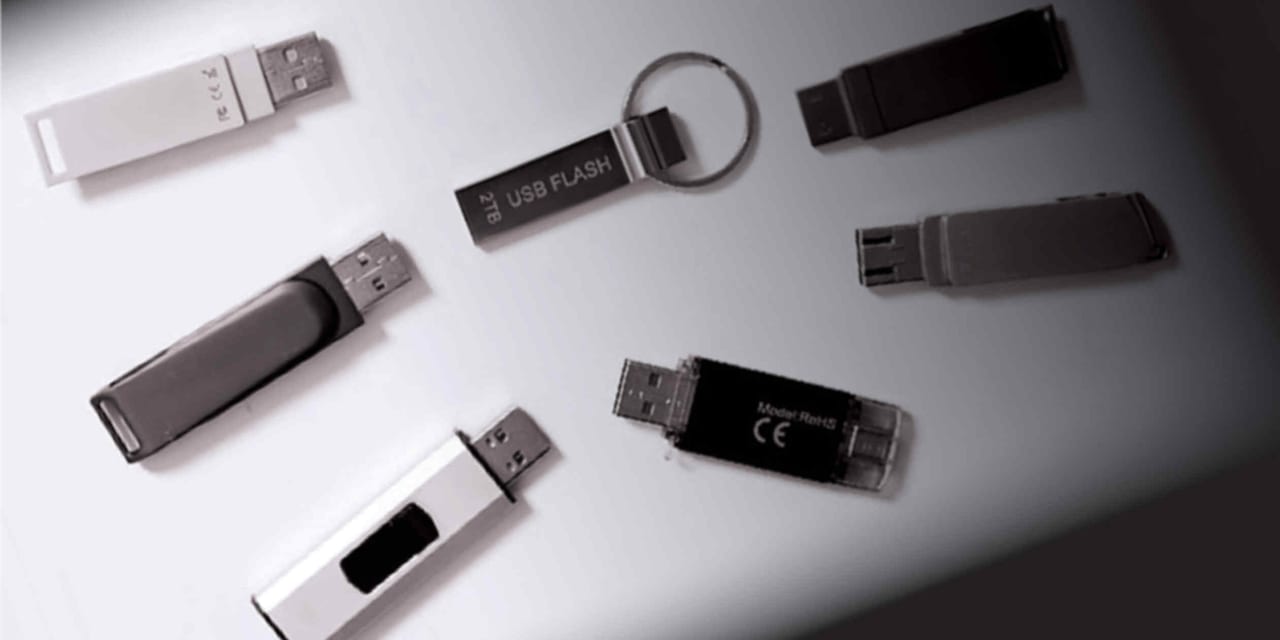
Key facts
- Around 20% of recommended USB drives on Amazon show multiple reviews indicating falsified storage capacity.
- Inexpensive Chinese-branded USB drives purchased from Amazon were found to have misrepresented storage.
- Fake USB drives can trick operating systems into believing they have much larger storage than they actually do.
- Attempting to load data beyond the drive's true capacity can result in data loss.
- Some fake drives also misrepresent their interface speed, using USB 2.0 instead of advertised USB 3.0.
- Malware may be present in fake USB drives due to questionable manufacturing environments.
A Nikkei investigation has revealed that approximately 20% of USB drives recommended on Amazon are subject to multiple reviews alleging misrepresented storage capacity. This practice exposes consumers to risks associated with counterfeit products and inadequately vetted third-party sellers.
These fake USB drives often claim impossibly high storage capacities, such as terabytes, at suspiciously low prices. While appearing legitimate to computers initially, they typically contain only a few gigabytes of actual storage. Manipulating the drive's controller or file table are common methods used to deceive operating systems and users. Attempting to transfer files larger than the drive's true capacity can lead to unexpected data loss, as the drive does not provide the expected low storage warning.
Beyond storage misrepresentation, some fake USB drives also falsely advertise faster USB 3.0 interfaces when they are equipped with slower USB 2.0 technology. This results in significantly reduced file transfer speeds. Furthermore, the questionable manufacturing conditions of these counterfeit drives raise security concerns, as they may contain embedded malware, posing a risk to users' computers.