Key facts
- Thailand's property market is cooling.
- Foreign buyers are pausing purchases.
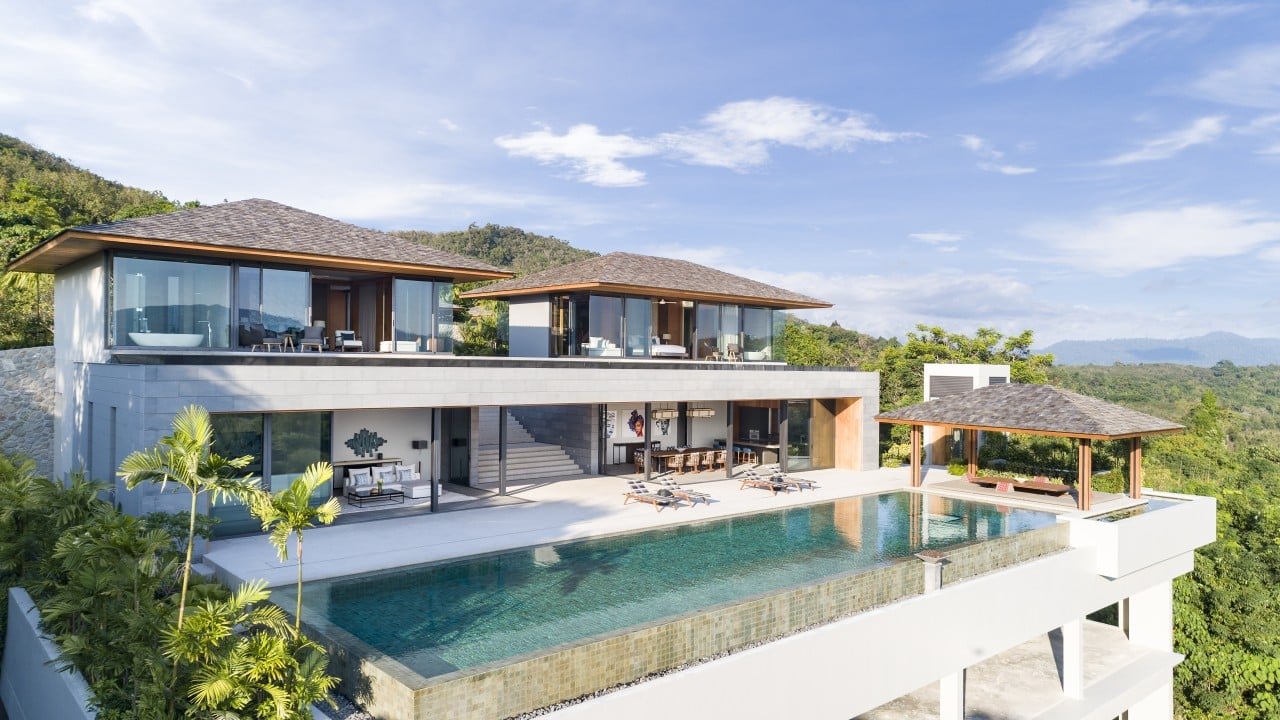
- Luxury resort areas like Phuket and Koh Samui are affected.
- Authorities are scrutinizing foreign land ownership loopholes.
- Companies suspected of using nominee structures are being targeted.
- This crackdown is causing potential buyers to delay purchases.
- Sales of high-end villas are impacted.
The Thai property market is showing signs of a cooling trend, primarily driven by a crackdown on loopholes related to foreign land ownership. Popular luxury resort destinations, including Phuket and Koh Samui, are witnessing a pause in purchases by potential foreign buyers. This hesitation stems from increased scrutiny by Thai authorities who are targeting companies suspected of utilizing nominee structures to bypass regulations that limit foreign ownership of land. The government's intensified focus on these practices is causing uncertainty among foreign investors and developers. As a result, sales of high-end villas and other luxury properties have slowed down. This situation highlights the sensitivity of Thailand's real estate sector to foreign investment and regulatory changes. The ongoing enforcement actions are expected to continue influencing buyer behavior in the short term, potentially leading to further market adjustments. The government's objective is to ensure compliance with existing laws and prevent circumvention of foreign ownership restrictions, which are designed to protect domestic land ownership. The impact is most pronounced in areas heavily reliant on foreign capital and buyer interest, such as the luxury segments of Phuket and Koh Samui.