Key facts
- South Korea is preparing to implement a nationwide ban on the dog meat trade.
- The ban is set to fully take effect in February 2027.
- The recent 'boknal' summer days were the last under legal dog meat consumption.
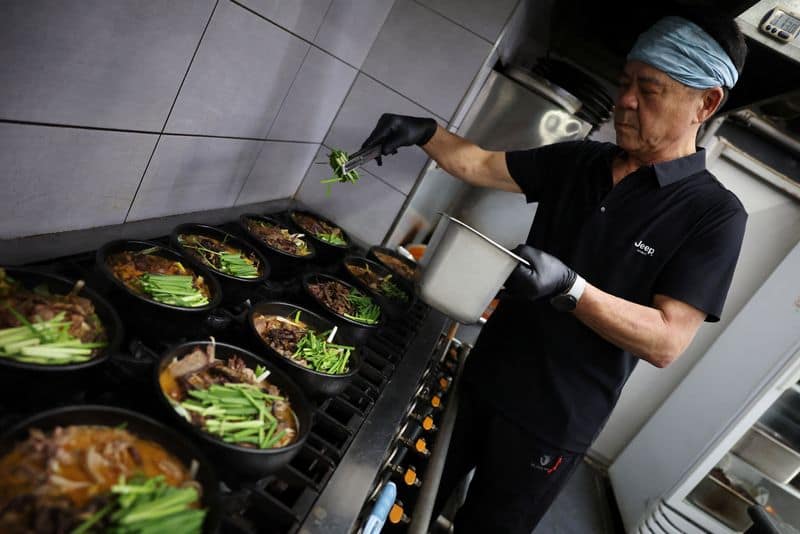
- Businesses are transitioning to alternative dishes like black goat stew.
- The ban reflects changing public sentiment and animal welfare concerns.
South Korea is on the verge of enacting a comprehensive ban on the dog meat trade, a practice that has a long history in the country. The legislation is slated to be fully implemented in February 2027, marking a significant shift in cultural practices and industry. The recent 'boknal' summer days, traditionally a period associated with consuming dog meat for perceived health benefits, were the last such days under the current legal framework. This period signifies the beginning of the end for the legal dog meat trade in South Korea.
In anticipation of the ban, many businesses that have historically operated within the dog meat trade are already beginning to pivot. These establishments are exploring and transitioning to alternative culinary offerings. Among the replacements being adopted is black goat stew, a dish that is gaining traction as a substitute for consumers. This proactive adaptation by businesses indicates a broader societal movement towards ending the practice.
The move to ban the dog meat trade is a culmination of years of advocacy and changing public sentiment. While historically a part of Korean cuisine, the practice has faced increasing criticism both domestically and internationally. Animal welfare organizations have been at the forefront of campaigns to end the trade, citing ethical concerns. The government's decision reflects a growing consensus that the practice is no longer aligned with modern societal values and animal welfare standards.