Key facts
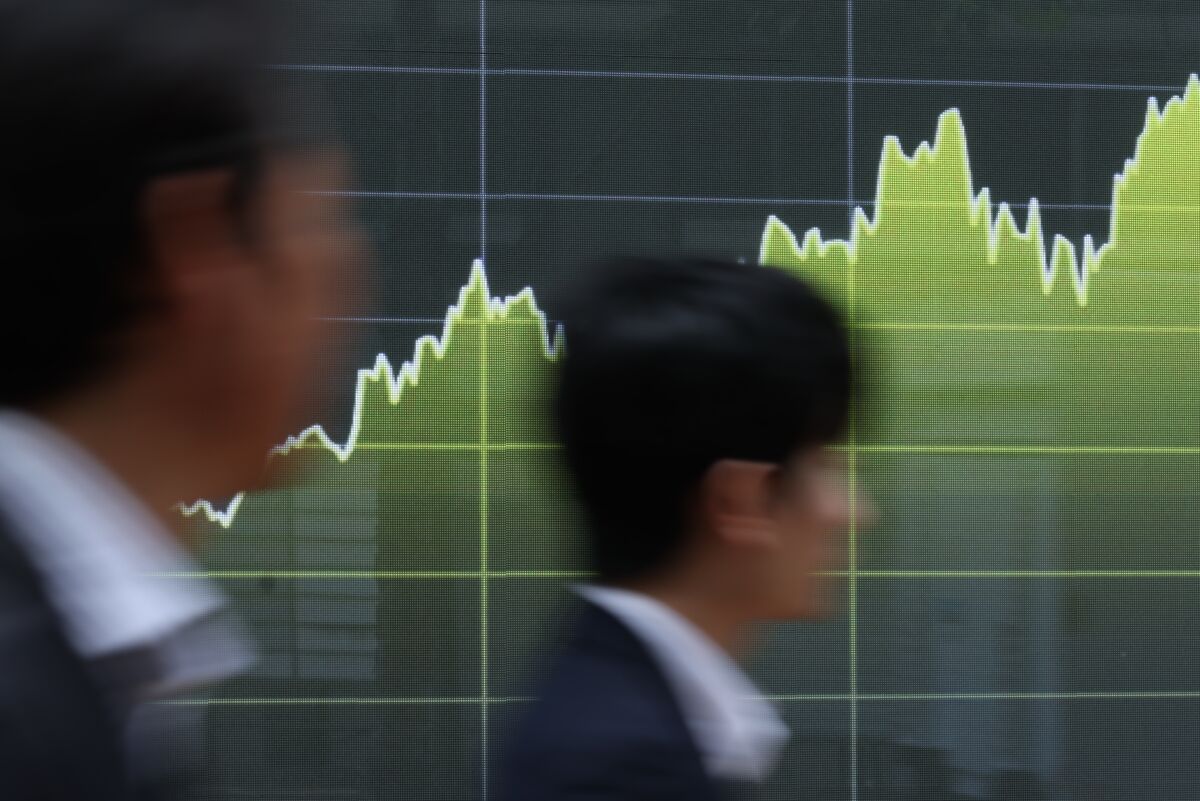
- The Nikkei 225 index surged to a record high above 68,000.
- The Nikkei 225 closed at 68,203.79, a 2.2% gain.
- AI and semiconductor stocks drove the Nikkei's rally.
- The Topix index rose 1.5% during the Nikkei's record surge.
- The Nikkei 225 and KOSPI indexes retreated from record highs.
- Thailand's SET Index reached its highest level since April 19, 2023.
- Thailand's SET Index rose as much as 1% to 1,583.91.
- Iran halted indirect negotiations with the U.S.
- Hezbollah announced a partial ceasefire with Israel.
- Japan faces a potential banana shortage due to Middle East conflict disruptions.
Asian stock markets experienced a mixed trading session, with key indices showing divergent movements. Japan's Nikkei 225, which had recently surged to a record high above 68,000, retreated from its peak. The index closed at 68,203.79, marking a 2.2% gain on the day it hit the record, primarily driven by strong performance in AI and semiconductor stocks. The broader Topix index also saw gains, rising 1.5% during that rally. South Korea's KOSPI also pulled back from its own record highs. In contrast, Thailand's main stock index, the SET Index (SETI), reached a significant milestone, hitting its highest level since April 19, 2023, with a gain of up to 1% to 1,583.91, reflecting positive market sentiment. The mixed performance across Asian markets was influenced by geopolitical anxieties stemming from the Middle East. Specifically, Iran reportedly halted indirect negotiations with the United States, and Hezbollah announced a partial ceasefire with Israel. These developments contributed to a cautious trading environment. Beyond financial markets, the geopolitical situation in the Middle East is also impacting other sectors, with Japan facing a potential banana shortage. This crisis is attributed to disruptions in supply chains caused by the ongoing conflict in the region, highlighting the broader global economic consequences of regional instability.