Japan fears dual-front war amid Russia's military activity · Asia Pacific news · PiQMarkets
4 storiesAsia-Pacific
Japan fears dual-front war amid Russia's military activity
window 24h
IN SHORT
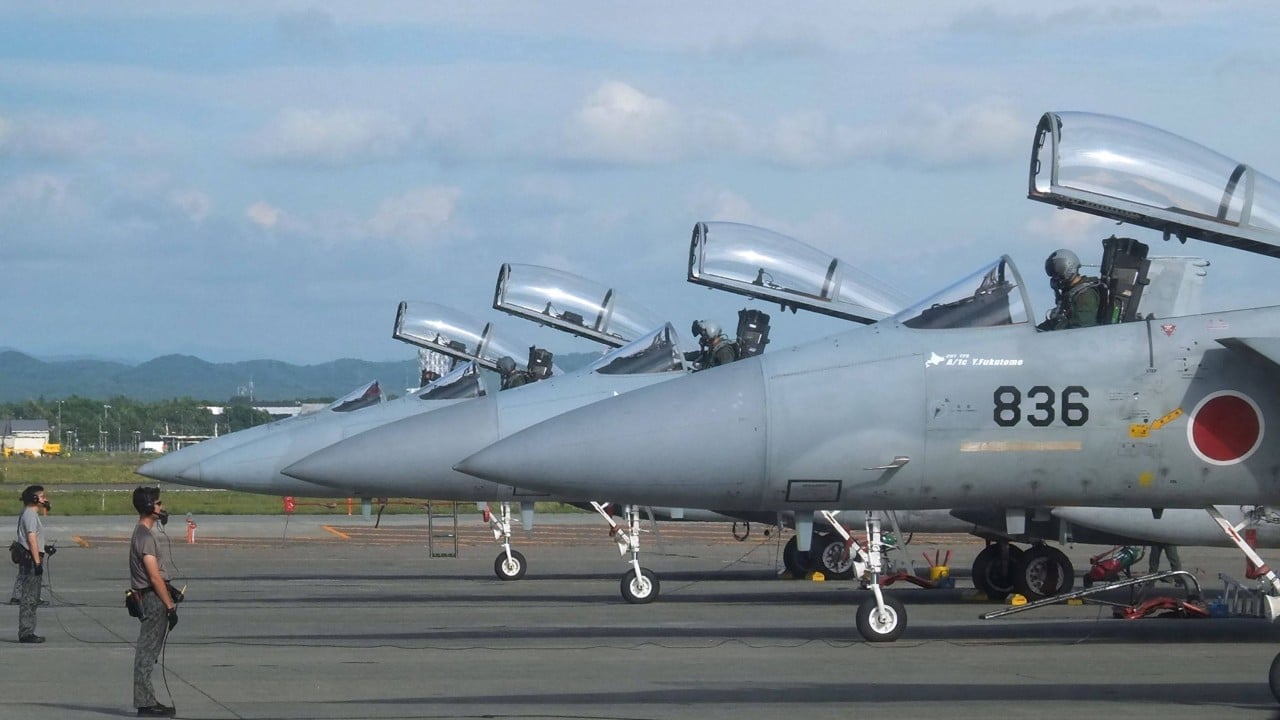
Japan is bolstering defenses on its northern territories amid heightened concerns over Russian military activity, reflecting anxieties about a potential two-front conflict. This strategic shift coincides with Japanese regional banks reducing their China operations to focus on growth in Southeast Asia and India. Meanwhile, economic indicators from China and India, including inflation data, are set to be released this week, alongside developments in Taiwan-China trade relations. Separately, a Chinese archaeologist has pleaded guilty to corruption charges, and businesses are reportedly relocating from Singapore due to rising costs.
✉Newsletter
PiQ Daily
Pick your topics. Get only what matters, on your cadence.
nation whose military activity is a concern for Japan
Japanese regional banks
financial institutions scaling back China operations
Southeast Asia
region targeted for new growth by Japanese banks
India
nation targeted for new growth by Japanese banks
China
nation whose economic data is under scrutiny
Taiwan
entity with focus on trade relations with China
Singapore
nation from which businesses are relocating
1 / 2
Key facts
Japan is increasing defenses on its northern frontier.
Concerns over Russia's growing military activity are driving Japan's defense increase.
Analysts suggest Japan fears a potential dual-front war.
Japanese regional banks are scaling back operations in China.
Japanese regional banks are pursuing growth in Southeast Asia and India.
This reflects a trend of re-evaluating market presence in favor of emerging economies.
China and India will release inflation data this week.
Trade relations between Taiwan and China are a key focus.
A Chinese archaeologist has pleaded guilty to corruption charges.
Businesses are relocating from Singapore due to increasing operational costs.
Japan is significantly increasing its defenses along its northern frontier, a move driven by growing concerns over Russia's escalating military activities in the region. Analysts interpret this defensive posture as a reflection of Tokyo's deepening apprehension regarding the possibility of facing a dual-front war, underscoring the complex and volatile geopolitical landscape in Northeast Asia. This heightened security focus comes as Japanese regional banks are actively recalibrating their international strategies. These financial institutions are scaling back their presence and operations within China, a market that has historically been a significant focus. Instead, they are redirecting their efforts and investments toward emerging economies in Southeast Asia and India, seeking new avenues for growth and diversification. This strategic pivot by Japanese banks mirrors a broader trend among businesses and governments to re-evaluate market dependencies and operational footprints, particularly concerning China.
In parallel, the economic outlook for Asia is under scrutiny this week with the release of key inflation data from both China and India. These figures are crucial for understanding the economic health and policy trajectories of the two largest economies in the region. Furthermore, trade relations between Taiwan and China are a central point of attention, with potential implications for regional stability and the integrity of global technology supply chains. The ongoing dynamics in cross-strait trade are closely watched for any shifts that could impact international commerce and technological development.
In separate but related developments concerning China, a Chinese archaeologist has pleaded guilty to corruption charges. This legal proceeding highlights ongoing efforts to address financial misconduct. Concurrently, there are reports of businesses relocating from Singapore, citing increasing operational costs as a primary driver for this exodus. This trend could signal shifts in regional business environments and investment attractiveness. The broader context also includes actions by Hong Kong authorities concerning a teacher's conduct and a speech by Pete Hegseth that focused on China, indicating a wide range of international attention and scrutiny directed towards Chinese affairs and its regional influence.
↳ Why This Matters
Japan is significantly increasing its defenses along its northern frontier, a move driven by growing concerns over Russia's escalating military activities in the region. Analysts interpret this defensive posture as a reflection of Tokyo's deepening apprehension regarding the possibility of facing a dual-front war, underscoring the complex and volatile geopolitical landscape in Northeast Asia. This heightened security focus comes as Japanese regional banks are actively recalibrating their international strategies. These financial institutions are scaling back their presence and operations within China, a market that has historically been a significant focus. Instead, they are redirecting their efforts and investments toward emerging economies in Southeast Asia and India, seeking new avenues for growth and diversification. This strategic pivot by Japanese banks mirrors a broader trend among businesses and governments to re-evaluate market dependencies and operational footprints, particularly concerning China.
FREQUENTLY ASKED
Japan is concerned about Russia's growing military activity near its northern frontier, fearing a potential dual-front war.
Japan is strengthening its defenses on its northern frontier in response to the perceived threat.
Analysts are commenting on Japan's defense concerns and the geopolitical implications of Russia's military actions.
Get the newsletter.
Pick the topics you actually care about. We'll email when there's news worth your time, on the cadence you choose. Cancel any time from your account.