Key facts
- Japan is considering new criteria for permanent residency applications.
- The proposed criteria may include Japanese language proficiency.
- The proposed criteria may include manners proficiency.
- The aim is to help the foreign-born population adapt to Japanese norms.
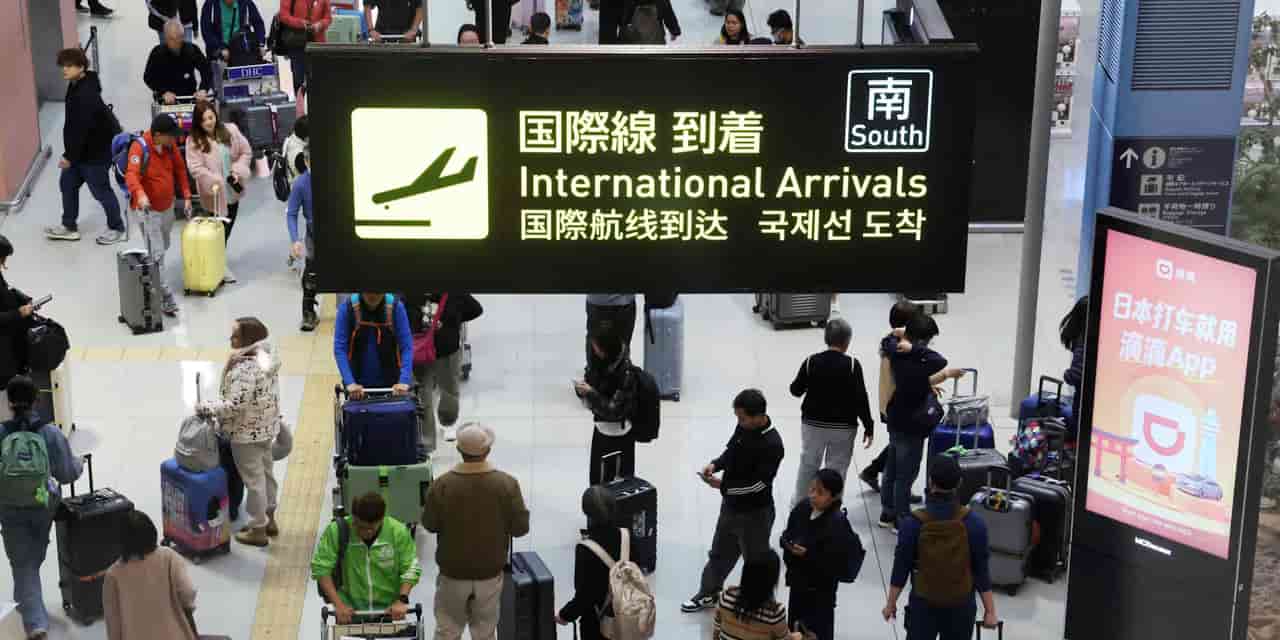
- Japan's foreign-born population is growing.
Japan is contemplating significant changes to its permanent residency application process, with a focus on incorporating Japanese language and manners proficiency as potential criteria. The government's objective is to better support the integration of the country's expanding foreign-born population into the fabric of Japanese society. By evaluating candidates on their understanding and adherence to Japanese cultural norms and communication skills, officials hope to foster a smoother assimilation for new residents.
This consideration arises as Japan grapples with a demographic shift, witnessing a rise in its foreign-born population. The proposed measures are intended to address potential challenges associated with integrating a diverse group of individuals into a society with deeply ingrained customs and social expectations. The government believes that a stronger emphasis on language and cultural understanding will not only benefit the foreign residents themselves but also contribute to social cohesion within Japan.
The move signals a potential evolution in Japan's immigration policy, moving beyond purely economic or demographic considerations to include social and cultural integration as key factors. While specific details regarding the assessment methods for language and manners are yet to be defined, the intention is to create a more comprehensive evaluation system for permanent residency.