Key facts
- India's economy grew 7.8% year-on-year in the January-March quarter.
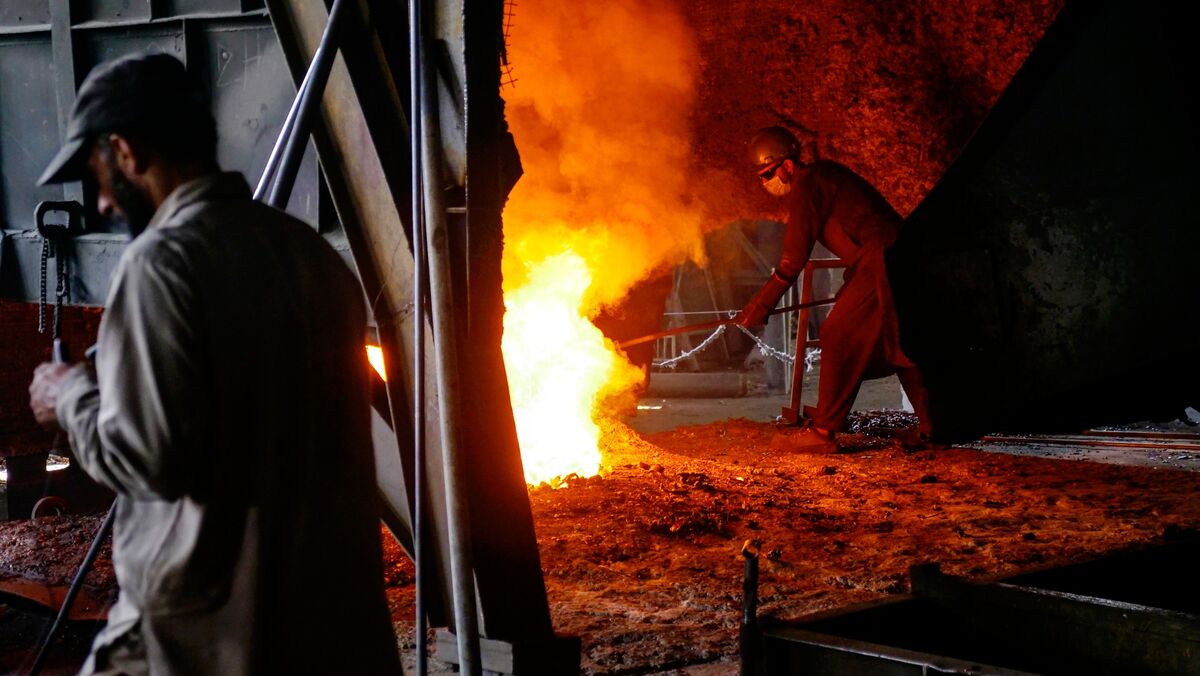
- India's manufacturing output rose 7.3% in Jan-Mar.
- India's construction activity increased 8.4% in Jan-Mar.
- India's farm output grew 3.6% in Jan-Mar.
- India's full fiscal year growth is estimated at 7.7%.
- A Reuters poll had forecast India's Q1 growth at 7.2%.
- Serbia's GDP grew 3.2% year-on-year in Q1 2026.
- Serbia's Q1 2026 growth accelerated from 2.2% in Q4 2025.
- Guyana has estimated oil reserves of 11 billion barrels.
- Guyana's economy is the world's fastest growing.
India's economy demonstrated robust growth, expanding by 7.8% year-on-year in the January-March quarter, exceeding economists' forecasts. Key sectors contributing to this expansion included manufacturing, which saw a 7.3% rise, construction activity that increased by 8.4%, and agricultural output that grew by 3.6%. This quarterly performance contributes to an estimated full fiscal year growth of 7.7% for India.
Earlier projections from a Reuters poll had anticipated India's economic growth to ease to 7.2% in the same January-March quarter. This forecast was based on expectations of weaker external demand and softer industrial activity, which were predicted to offset strong government spending and resilient agricultural growth. The reliance on capital expenditure for growth was also highlighted in these earlier assessments.
In separate economic developments, Serbia's Gross Domestic Product (GDP) grew by 3.2% year-on-year in the first quarter of 2026. This represents an acceleration from the 2.2% growth recorded in the fourth quarter of 2025. The growth in Serbia was primarily driven by increases in household consumption, wage growth, and government spending, with the services sector leading the expansion and agriculture showing signs of recovery. The National Bank of Serbia (NBS) forecasts a 3% GDP growth for the full year 2026.
Meanwhile, Guyana's economy, already recognized as the world's fastest-growing, is set to experience further acceleration. This growth is attributed to rising global oil prices, influenced by ongoing conflict in the Middle East. Guyana possesses estimated oil reserves of 11 billion barrels, offering a stable and geographically accessible supply. However, the Guyanese government faces the challenge of effectively managing this economic windfall and diversifying the economy to mitigate the risks of boom-and-bust cycles.