Key facts
- Hong Kong leaders urge maintaining free port status.
- Leaders emphasize the need for an outward-looking economy.
- International cooperation and open exchange of talent are highlighted.
- Pandemic-era restrictions should be avoided.
- China's National People's Congress will vote on a bill regarding Hong Kong jurisdiction.
- The bill concerns a section of the redeveloped Huanggang Port in Shenzhen.
- The port is set to open next month.
- The port will feature a co-location arrangement for simultaneous customs and immigration checks.
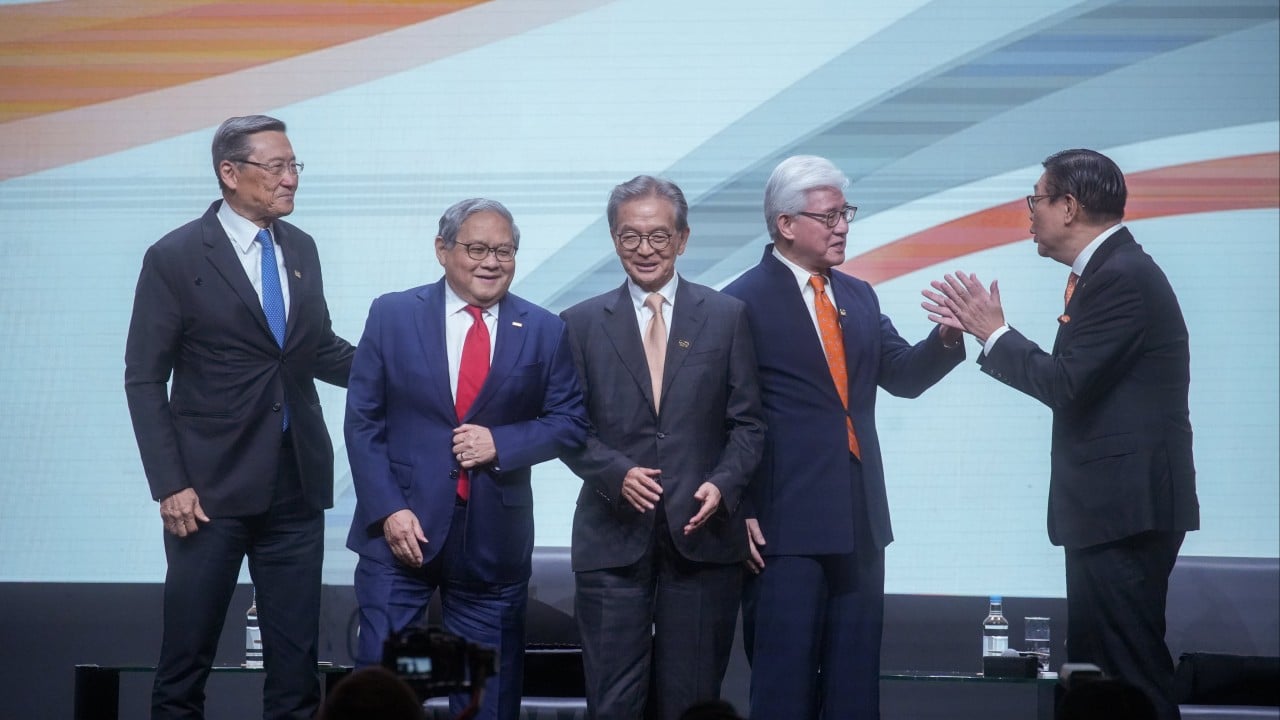
Leaders from Hong Kong's trade promotion body have called for the city to preserve its identity as a free port and an outward-looking economy to secure its future prosperity. They stressed the critical need for continued international cooperation, the open exchange of knowledge and talent, and the avoidance of restrictive measures reminiscent of the pandemic era. These calls highlight concerns about Hong Kong's economic trajectory and its role in global trade.
Concurrently, China's National People's Congress is slated to vote on a significant bill concerning Hong Kong's jurisdiction. The proposed legislation would grant Hong Kong administrative authority over a specific section of the redeveloped Huanggang Port, located in Shenzhen. This port is scheduled to commence operations next month, featuring a co-location arrangement that will enable simultaneous customs and immigration clearance for travelers and goods.
The co-location arrangement at Huanggang Port represents a novel approach to cross-border management, aiming to streamline transit and enhance efficiency. However, the jurisdictional aspect of the bill raises questions about the extent of Hong Kong's autonomy and its integration with mainland China's administrative framework. The outcome of the NPC vote will be closely watched for its implications on Hong Kong's distinct legal and economic systems, as well as its broader relationship with the mainland.