Key facts
- The EU's trade deficit in goods with China reached €360 billion last year.
- EU member states are calling for a tougher new trade strategy with China.
- Concerns exist about Chinese-driven deindustrialization in the EU.
The European Union's trade deficit with China widened to €360 billion last year, fueling calls for a more aggressive trade strategy to counter Chinese-driven deindustrialization. Meanwhile, China is actively promoting the global use of its yuan currency, introducing new tools for offshore transactions and overseas institutions to reduce dollar dependence, while also pledging vigilance against systemic financial risks. Separately, Japan's trade deficit in May was driven by a significant increase in imports of electrical machinery, largely for AI-related computer chips. Additionally, Huawei's advancements in chip technology are reportedly testing the efficacy of U.S. export controls.
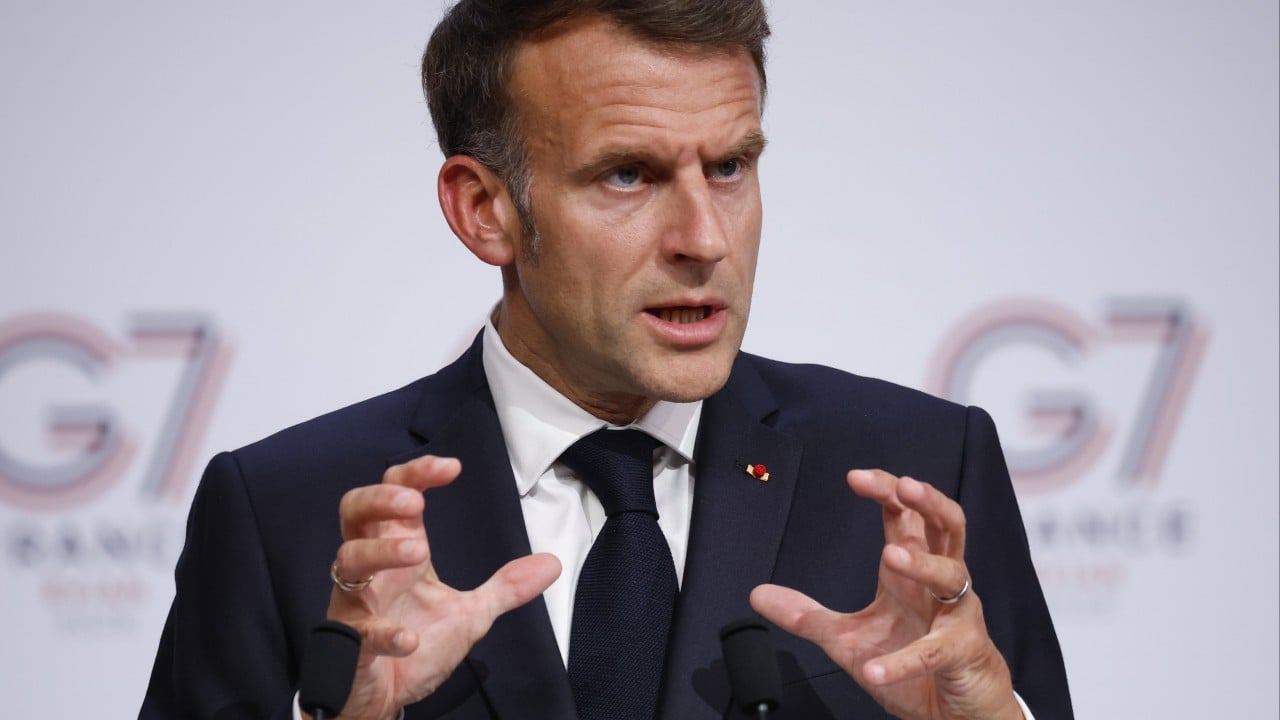
The European Union's trade deficit in goods with China expanded to €360 billion last year, prompting member states to converge on the need for urgent action and a tougher new trade strategy. The growing deficit has raised concerns about Chinese-driven deindustrialization within the EU.
In parallel, China is pursuing measures to bolster the global use of its yuan currency and manage domestic liquidity. The central bank governor outlined plans to enhance offshore yuan transactions and introduce a new tool designed for overseas institutions, with the stated aim of reducing reliance on the U.S. dollar. Chinese regulators also committed to maintaining vigilance to prevent systemic financial risks.
Elsewhere, Japan experienced a trade deficit in May, marking the first such deficit in four months. This imbalance was primarily attributed to a substantial 31.5% surge in imports of electrical machinery, driven by demand for computer chips essential for artificial intelligence applications. Although Japan's exports saw a 17% increase, this rise was insufficient to offset the significant rise in import costs.
Furthermore, Huawei's recent progress in developing new chip technology is presenting a challenge to the effectiveness of U.S. export controls. This development signals a potential test of the restrictions that have been placed on the Chinese technology company.
The European Union's trade deficit in goods with China expanded to €360 billion last year, prompting member states to converge on the need for urgent action and a tougher new trade strategy. The growing deficit has raised concerns about Chinese-driven deindustrialization within the EU.