Key facts
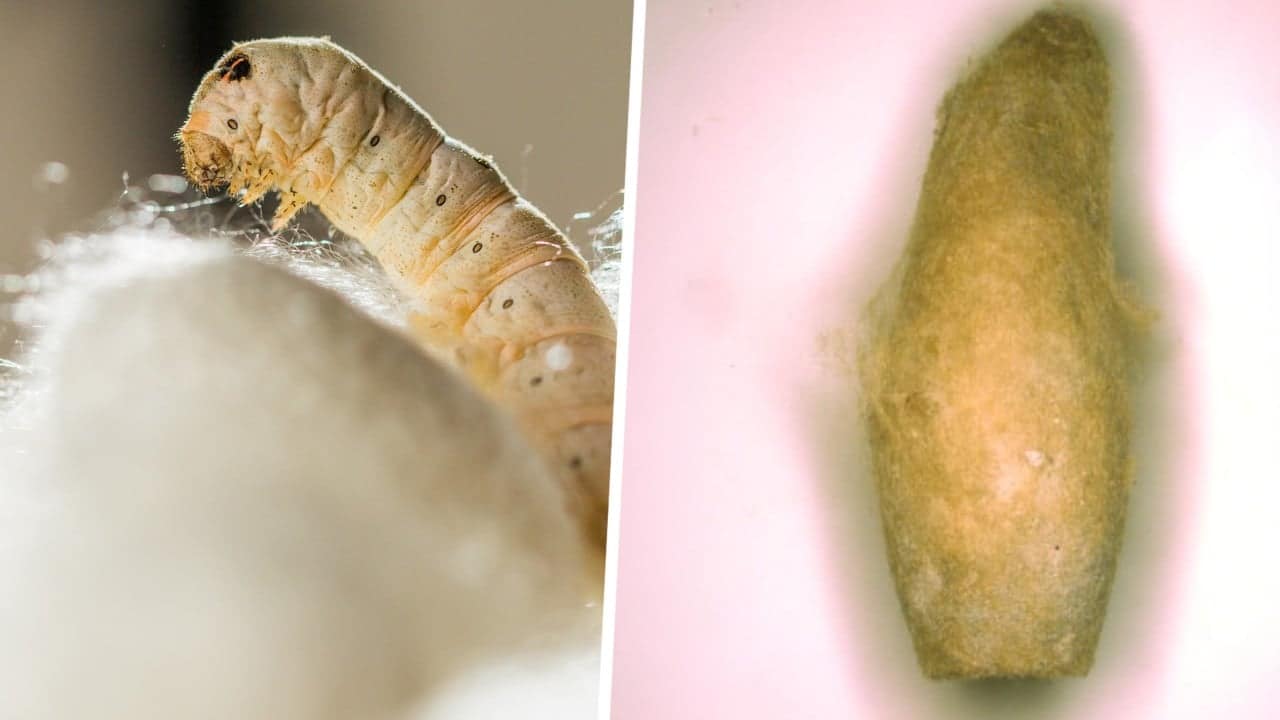
- Archaeological evidence suggests silkworm farming occurred in China's Xinjiang region.
- The evidence indicates silkworm farming dates back 5,000 years.
- This finding predates previous discoveries about silk farming outside of China.
- The discovery may alter the understanding of the Silk Road's origins.
- The findings suggest an earlier timeline for silk production and trade.
Archaeological evidence unearthed in China's Xinjiang region indicates that silkworm farming, or sericulture, was practiced as early as 5,000 years ago. This discovery significantly predates previous findings regarding the origins of silk production outside of its presumed cradle and has the potential to fundamentally alter the established timeline for the Silk Road. The presence of early sericulture in Xinjiang suggests that the technology and practice of silk farming may have spread much earlier than previously believed. This earlier start could imply a more ancient development of the complex trade networks that would eventually become known as the Silk Road. The implications of this finding extend to our understanding of ancient economies, technological diffusion, and the interconnectedness of early civilizations in the region. Further research and analysis of the archaeological sites are expected to provide more detailed insights into the scale and methods of this ancient farming practice.