Key facts
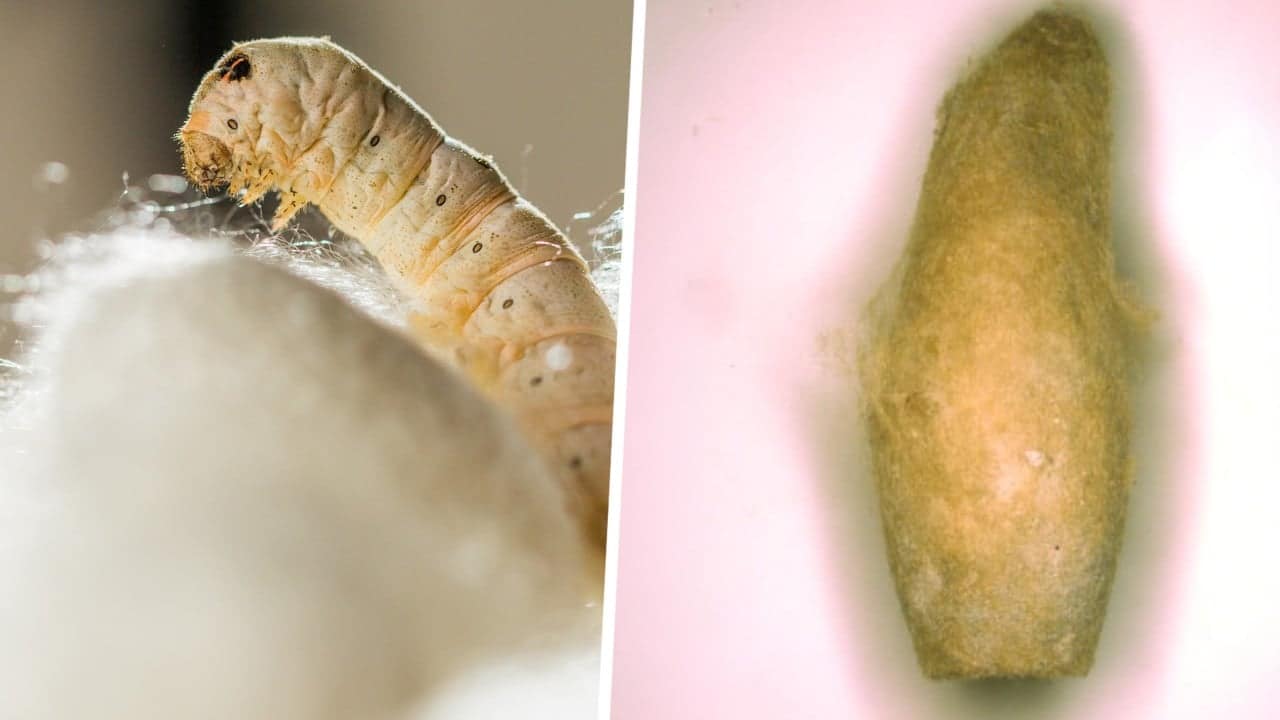
- Archaeological findings in China's Xinjiang region indicate silkworm farming occurred 5,000 years ago.
- This discovery predates previous evidence of sericulture outside of China.
- The findings suggest a much earlier development of silk production and trade routes.
- The research involved analyzing ancient pottery shards and silk fibers.
Archaeological discoveries in China's Xinjiang region have unearthed evidence of silkworm farming dating back 5,000 years. This finding significantly predates previous understanding of sericulture's spread outside of China, potentially reshaping the timeline of the ancient Silk Road. The research, which involved analyzing ancient pottery shards and silk fibers, suggests that silk production and the associated trade routes may have developed much earlier than previously believed. The implications of this discovery could alter historical perspectives on cultural and economic exchanges between East and West.