Key facts
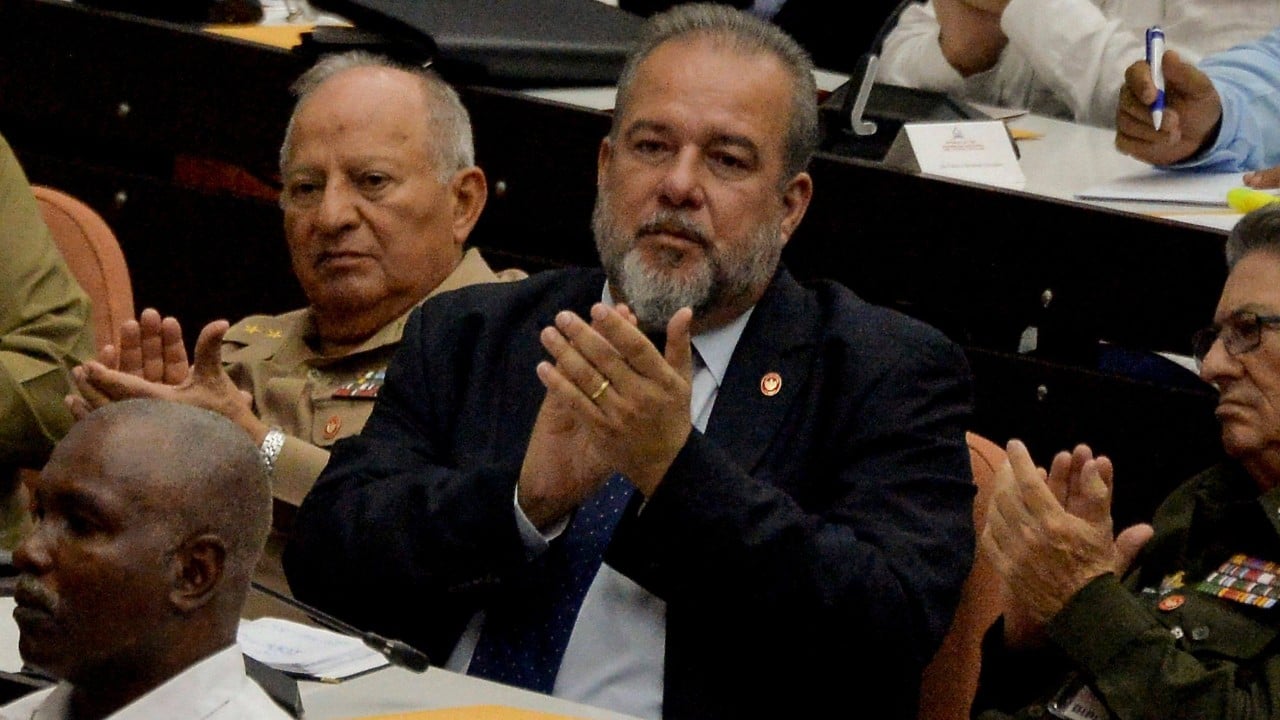
- Cuban lawmakers unanimously approved sweeping reforms.
- The reforms represent the largest change to the socialist model since the 1959 revolution.
- Measures include the privatization of real estate.
- Measures include the privatization of state businesses.
- Reforms allow for private banks.
- U.S. sanctions are a primary driver for the reforms.
- The Communist Party backed the reforms.
- Former leader Raul Castro backed the reforms.
Cuban lawmakers have unanimously approved sweeping reforms that significantly alter the nation's socialist model, representing the most substantial changes since the 1959 revolution. These measures, strongly backed by the Communist Party and former leader Raul Castro, aim to privatize real estate and state-owned businesses. Additionally, the reforms will permit the establishment of private banks within the country. The impetus for these significant shifts is largely attributed to the pressure exerted by U.S. sanctions. The approval by the lawmakers signifies a unified stance on the necessity of these changes to navigate the current economic and political climate.