China Taps Southeast Asia for Luxury Goods Exports Amid Trade Tensions | PiQ Markets
3 storiesAsia-PacificChina trade data (exports, imports, surplus)China stimulus measures (fiscal & monetary)China EV market: BYD, NIO, Li Auto, Xpeng
China Taps Southeast Asia for Luxury Goods Exports Amid Trade Tensions
window 24h
IN SHORT
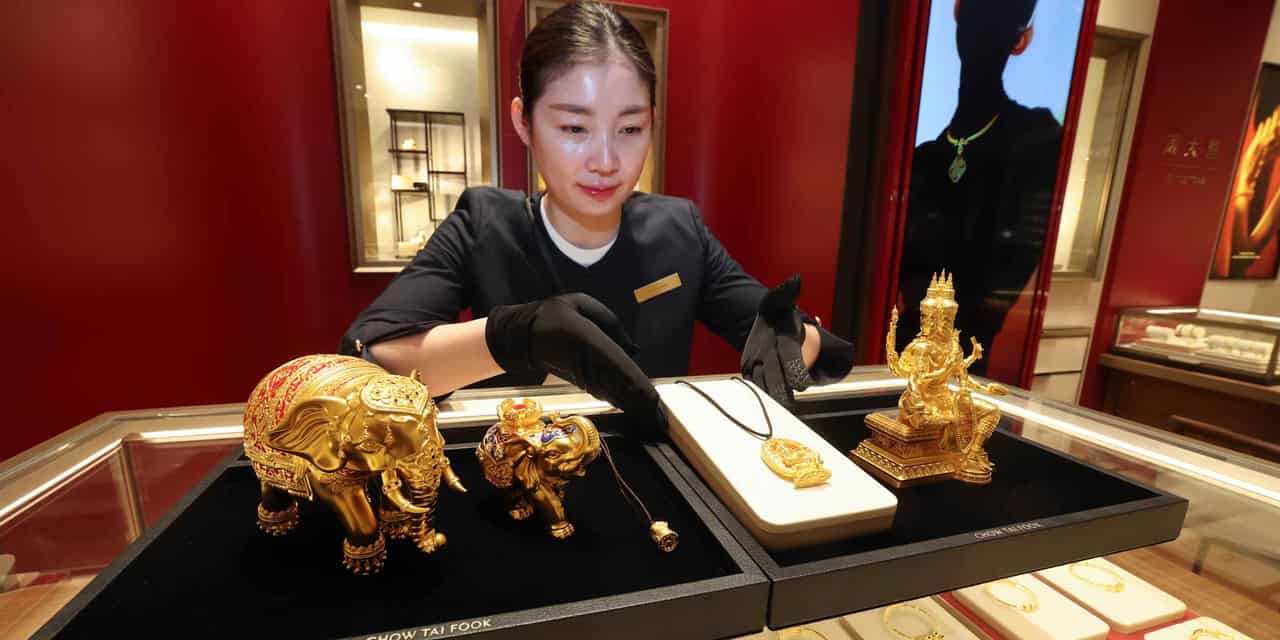
Amid escalating U.S. tariffs and domestic market challenges, China is strategically pivoting its export strategy. The nation is redirecting luxury goods, including jewelry, watches, and wine, to Southeast Asian markets, with ASEAN emerging as a key export frontier. Concurrently, China's automotive sector is experiencing a significant export surge, with overseas shipments rising 88.2% in July, despite a 21.1% decline in domestic car sales for the same month. In the aviation sector, China's regulator is enhancing safety communication with foreign carriers to improve information exchange and uphold flight safety standards.
✉Newsletter
PiQ Daily
Pick your topics. Get only what matters, on your cadence.
Key Numbers
10consecutive months of car sales decline
21.1%domestic car sales decline in July
88.2%car exports surge in July
Who's Involved
China
nation implementing export strategy shifts
U.S.
nation imposing tariffs impacting Chinese exports
ASEAN
Southeast Asian markets becoming a key export frontier
China's aviation regulator
entity enhancing communication with foreign carriers
1 / 3
Key facts
China is redirecting luxury goods exports to Southeast Asian markets.
Luxury goods exports include jewelry, watches, and wine.
ASEAN is becoming a key export frontier for China.
China's car sales declined for the 10th consecutive month in July.
Domestic car sales in China fell 21.1% in July.
China's car exports surged 88.2% in July.
China's aviation regulator is increasing safety communication with foreign carriers.
The aviation communication aims to improve information exchange and ensure flight safety standards.
China is implementing a multi-faceted export strategy shift in response to escalating U.S. tariffs and domestic market pressures. In the luxury goods sector, the nation is strategically redirecting exports of items such as jewelry, watches, and wine towards Southeast Asian markets. This pivot aims to rebalance trade and mitigate geopolitical risks, with the Association of Southeast Asian Nations (ASEAN) identified as a crucial new export frontier.
The automotive industry is also undergoing a significant transformation. Domestic car sales in China have fallen for the tenth consecutive month, with a 21.1% decline recorded in July. However, this domestic downturn is contrasted by a dramatic surge in exports, which rose by 88.2% in the same month. This indicates a strategic shift by automakers to seek growth opportunities overseas amidst intense domestic competition and subdued consumer spending.
In parallel, China's aviation regulator is proactively enhancing its safety communication channels with foreign airlines. This initiative is designed to foster improved information exchange and ensure that international flight safety standards are consistently met. The move reflects a broader effort to maintain operational integrity and international cooperation within the aviation sector.
↳ Why This Matters
China is implementing a multi-faceted export strategy shift in response to escalating U.S. tariffs and domestic market pressures. In the luxury goods sector, the nation is strategically redirecting exports of items such as jewelry, watches, and wine towards Southeast Asian markets. This pivot aims to rebalance trade and mitigate geopolitical risks, with the Association of Southeast Asian Nations (ASEAN) identified as a crucial new export frontier.
Frequently asked questions
China is redirecting exports to Southeast Asia primarily to counter escalating U.S. tariffs and to hedge against geopolitical risks.
The new export drive includes luxury goods such as jewelry, watches, and wine, in addition to previous exports like cars and TVs.
The ACFTA 3.0 upgrade expands cooperation between China and ASEAN into digital trade, green development, supply chain connectivity, and standards.
Some ASEAN nations are implementing anti-dumping investigations, imposing tariffs on specific Chinese goods, and restricting Chinese e-commerce platforms to protect local industries.
What Happens Next
01Further implementation of the ACFTA 3.0 upgrade, focusing on rule alignment, standards recognition, and customs trust.
02Continued monitoring of ASEAN countries' trade defense measures and potential retaliatory actions.
03Analysis of the impact of Chinese luxury goods on local ASEAN markets and consumer behavior.
Get the newsletter.
Pick the topics you actually care about. We'll email when there's news worth your time, on the cadence you choose. Cancel any time from your account.