All NewsEducationTV
Equities & FundsCrypto & Digital AssetsAI & TechnologyBusiness & CorporateUS Politics & PolicyGeopolitics & Global RiskMacro, Rates & FXCommodities & EnergyEuropean Politics & MarketsAsia-PacificReal Estate & Property
Story archiveAll categories
← All Stories

China Taps Southeast Asia for Luxury Goods Exports Amid Trade Tensions

Created at 11 Aug · 9:06 PM1 source↑ Market-relevant
IN SHORT

China is strategically redirecting luxury goods exports, including jewelry, watches, and wine, to Southeast Asian markets as a response to escalating U.S. tariffs. This move aims to rebalance trade and hedge geopolitical risks, with ASEAN becoming a key export frontier.

✉Newsletter

PiQ Daily

Pick your topics. Get only what matters, on your cadence.

Key Numbers

$872 billionChina-ASEAN trade in 2023
32%China's intermediate goods exports to Vietnam (Jan-Nov 2024)
$17.6 billionChinese FDI in ASEAN manufacturing, EVs, infrastructure (2023)
200%Indonesian tariffs on Chinese textiles and ceramics
40%Malaysia's E&E sector exports fueled by Chinese components
6%Malaysia's E&E sector contribution to GDP

Who's Involved

Joseph Rachman and Loretta Chen
Authors of the report on China's export drive
Xi Jinping
Chinese President who signaled strategic shift towards ASEAN
Li Qiang
Chinese Premier witnessing ACFTA 3.0 signing
Anwar Ibrahim
Malaysian Prime Minister at ACFTA 3.0 signing
Fan Zuojun
Chinese analyst on China-ASEAN integration challenges
China Taps Southeast Asia for Luxury Goods Exports Amid Trade Tensions

↳ Why This Matters

China's strategic redirection of exports to Southeast Asia, particularly in luxury goods, signifies a major shift in global trade dynamics driven by geopolitical pressures and tariff policies. This move impacts both Chinese manufacturers seeking new markets and ASEAN economies grappling with increased competition and opportunities, reshaping regional economic landscapes and global supply chains.

Key facts

  • China is strategically shifting export focus to Southeast Asian (ASEAN) markets to counter U.S. tariffs.
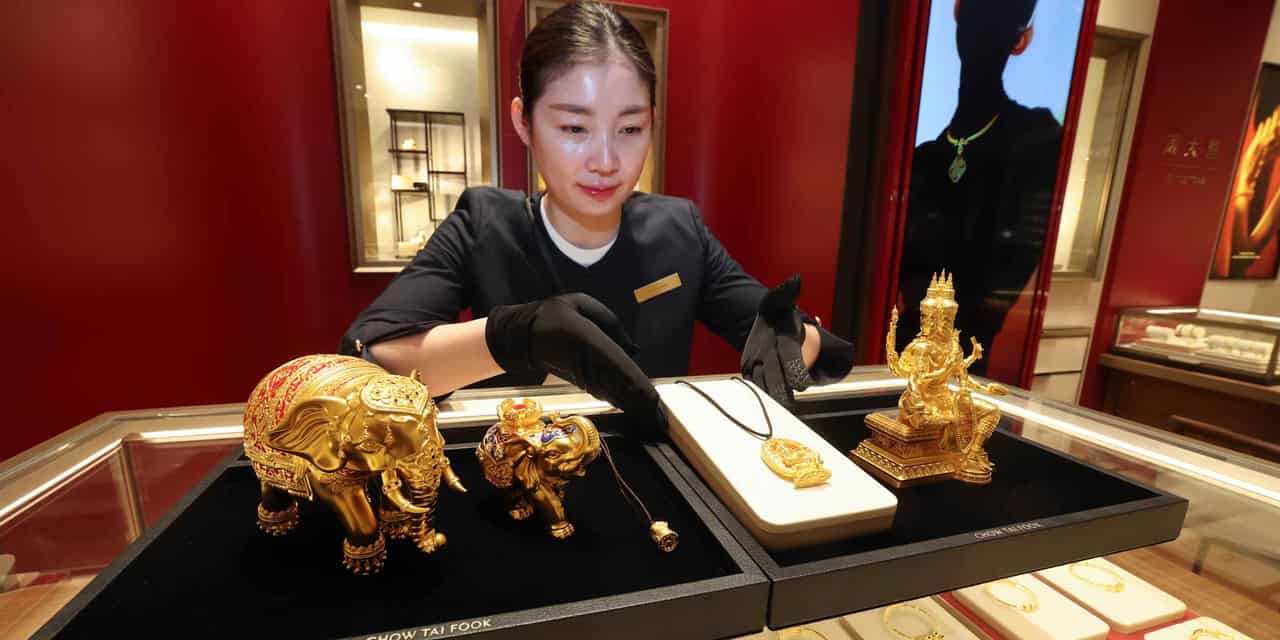
  • Luxury goods like jewelry, watches, and wine are part of this new export drive.
  • China-ASEAN trade reached $872 billion in 2023 and is projected to grow significantly.
  • Chinese investment in ASEAN manufacturing, EVs, and infrastructure has more than doubled since 2020.
  • ASEAN countries are responding to increased competition from Chinese goods with protective trade measures.
  • The ACFTA 3.0 upgrade aims to deepen cooperation in digital trade, green development, and supply chains.

China is strategically pivoting its export strategy towards Southeast Asia, leveraging the region as a key market for luxury goods such as jewelry, watches, and wine, amidst escalating trade tensions with the United States. This shift is part of a broader effort to rebalance trade flows and hedge against geopolitical risks, with ASEAN markets now considered a primary export frontier.

During a 2025 diplomatic tour, Chinese President Xi Jinping signaled a significant strategic realignment, elevating ASEAN's importance in China's foreign trade network. By 2023, China-ASEAN trade had reached approximately $872 billion, and projections indicate further growth in 2025 due to redirected shipments and deeper trade integration. This policy is driven by rising U.S. tariffs, prompting Chinese intermediate and component producers to relocate to ASEAN nations like Vietnam, Thailand, Malaysia, and Indonesia to avoid restrictions and access regional value chains.

Chinese intermediate goods exports to Vietnam, for instance, surged by 32% in the first 11 months of 2024, forming a substantial portion of China's mechanical-electrical exports to the country. This integration is further bolstered by Chinese investment, which reached $17.6 billion in ASEAN manufacturing, EVs, and infrastructure by 2023, more than doubling 2020 levels. Malaysia's electrical and electronics sector, for example, now accounts for 40% of its exports and nearly 6% of its GDP, significantly fueled by Chinese component shipments and co-invested tech infrastructure.

However, this pivot presents a double-edged sword for ASEAN countries. While they benefit from increased trade and investment, the influx of cheap Chinese goods is creating competitive pressure on local industries, leading to factory closures and job losses in sectors like textiles, appliances, and machinery. In response, some ASEAN governments are implementing anti-dumping duties and strengthening trade defenses, with Vietnam, Malaysia, and Indonesia investigating dumping claims and imposing tariffs on various Chinese products, including steel, textiles, and ceramics. Some have also restricted Chinese e-commerce platforms.

Despite these challenges, China and ASEAN recently signed the 3.0 upgrade of their free trade agreement, expanding cooperation into digital trade, green development, supply chain connectivity, and standards. Chinese officials frame this deal as support for regional integration and free trade, while also working to maintain close ties with Southeast Asia amid heightened U.S.-China competition. Chinese analysts acknowledge that while integration is crucial, challenges remain, including supply-chain competition as ASEAN nations move up the manufacturing chain, divergent priorities among ASEAN members, and the overarching U.S.-China geopolitical pressure.

Frequently asked questions

China is redirecting exports to Southeast Asia primarily to counter escalating U.S. tariffs and to hedge against geopolitical risks.

The new export drive includes luxury goods such as jewelry, watches, and wine, in addition to previous exports like cars and TVs.

The ACFTA 3.0 upgrade expands cooperation between China and ASEAN into digital trade, green development, supply chain connectivity, and standards.

Some ASEAN nations are implementing anti-dumping investigations, imposing tariffs on specific Chinese goods, and restricting Chinese e-commerce platforms to protect local industries.

What Happens Next

01Further implementation of the ACFTA 3.0 upgrade, focusing on rule alignment, standards recognition, and customs trust.
02Continued monitoring of ASEAN countries' trade defense measures and potential retaliatory actions.
03Analysis of the impact of Chinese luxury goods on local ASEAN markets and consumer behavior.

Get the newsletter.

Pick the topics you actually care about. We'll email when there's news worth your time, on the cadence you choose. Cancel any time from your account.

Cadence

How It Developed

China is redirecting export flows toward ASEAN markets due to intensifying U.S. tariffs.
China-ASEAN trade reached approximately $872 billion by 2023, with expectations of higher figures in 2025.
Chinese intermediate goods exports to Vietnam surged 32% in the first 11 months of 2024.
Chinese FDI in ASEAN manufacturing, EVs, and infrastructure hit $17.6 billion by 2023.
ASEAN nations are implementing anti-dumping investigations and imposing tariffs on select Chinese imports.
China and ASEAN signed the 3.0 upgrade of their free trade agreement, expanding cooperation into digital trade and green development.
Chinese analysts note that while supply chains are linked, China and ASEAN are beginning to compete in some sectors.

Sources

T1
Southeast Asia is luxury testbed for China's big new export driveNikkei Asia
T2
Chinese Scholar Warns China-ASEAN Integration Faces New Strainschinaglobalsouth.com
T2
China's Export Power Play: How Southeast Asia Became Its Top ...seasia.co

Related Stories

China car sales decline continues, exports surge
11 Aug · 10:16 AM
China aviation regulator enhances communication with foreign carriers
11 Aug · 12:35 AM
Singapore raises 2026 growth forecast on AI boom after robust Q2 GDP
11 Aug · 12:11 AM
Malaysian scam kingpin walks free; Lee Kuan Yew’s pen up for auction: 7 Asia highlights
11 Aug · 4:35 AM
China's Social Security Fund Drive Sparks Payroll Shock for Employees
11 Aug · 1:06 AM