Key facts
- Chinese manufacturers are increasing production of advanced chip materials.
- The chip material market is valued at $73 billion.
- China aims for semiconductor self-sufficiency.
Chinese chip material makers are ramping up production to challenge Japan's dominance in a $73 billion market, supporting Beijing's semiconductor self-sufficiency goals. Meanwhile, Chinese battery manufacturers face a hurdle in Japan, as none have yet secured necessary cybersecurity approval for grid connection. This lack of clearance could effectively block their products from the Japanese market, impacting their access to a crucial sector.
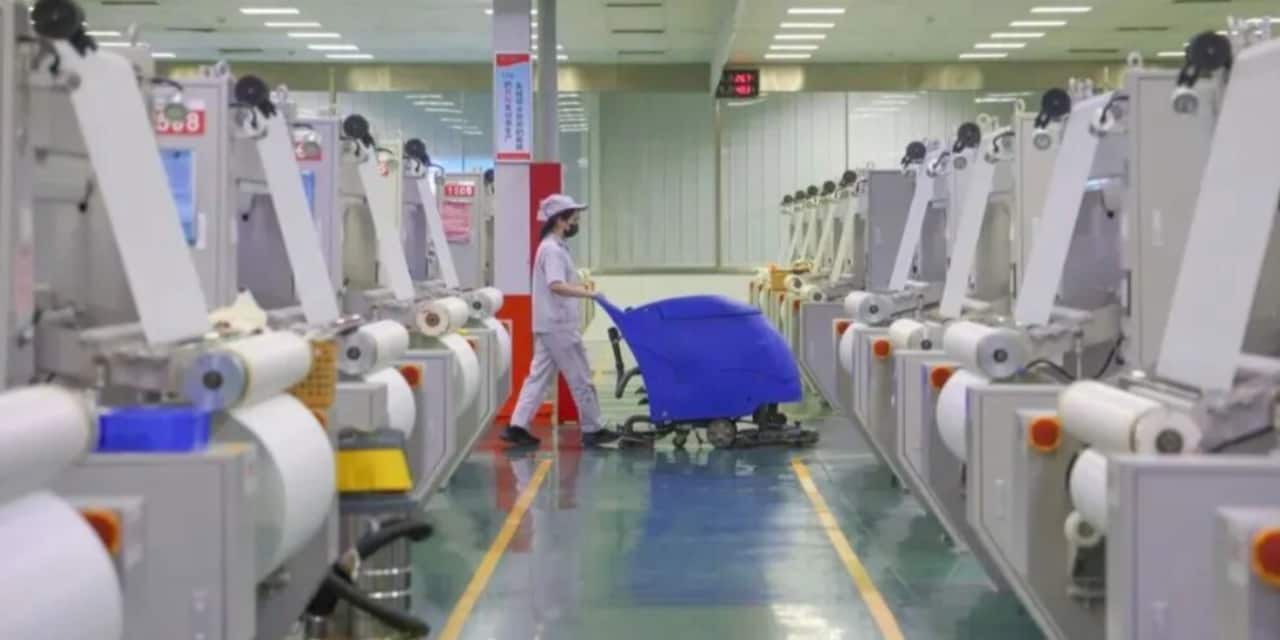
Chinese manufacturers are intensifying their production of advanced semiconductor materials, aiming to challenge the long-standing leadership of Japanese companies in a market valued at $73 billion. This strategic push by China is closely linked to Beijing's broader objective of achieving self-sufficiency in the semiconductor industry, reducing reliance on foreign suppliers for critical components.
In a separate but related development impacting Chinese technology firms in Japan, no Chinese storage battery manufacturers have yet obtained the required cybersecurity clearance from the Japanese government. This is occurring despite an upcoming mandate that will necessitate certified equipment for connection to Japan's power grid. The absence of this approval could result in a de facto exclusion of Chinese-made batteries from the Japanese market, a significant setback for these companies seeking to expand their international presence.
The semiconductor materials market is a foundational element of the global technology supply chain, with advanced materials being crucial for the performance and miniaturization of microchips. Japan has historically held a strong position in this sector due to decades of investment in research, development, and high-quality manufacturing processes. China's ambition to break into this market signifies a major shift in global supply chain dynamics and a direct challenge to established players.
The cybersecurity clearance requirement for battery storage systems in Japan highlights the increasing importance of security standards in critical infrastructure. As countries bolster their energy grids and digital networks, they are implementing stricter vetting processes for components to mitigate potential risks. The delay in approvals for Chinese manufacturers suggests that their products may not yet meet Japan's stringent cybersecurity benchmarks, or that the approval process itself is a barrier to entry.
Chinese manufacturers are intensifying their production of advanced semiconductor materials, aiming to challenge the long-standing leadership of Japanese companies in a market valued at $73 billion. This strategic push by China is closely linked to Beijing's broader objective of achieving self-sufficiency in the semiconductor industry, reducing reliance on foreign suppliers for critical components.