Key facts
- Beijing has restructured its liaison office in Hong Kong.
- The restructuring emphasizes youth engagement.
- The restructuring emphasizes grassroots district-level work.
- This move signals a shift in the office's strategy for influencing Hong Kong.
- The changes aim to enhance Beijing's influence within the city.
- The changes aim to strengthen connections at the local community level.
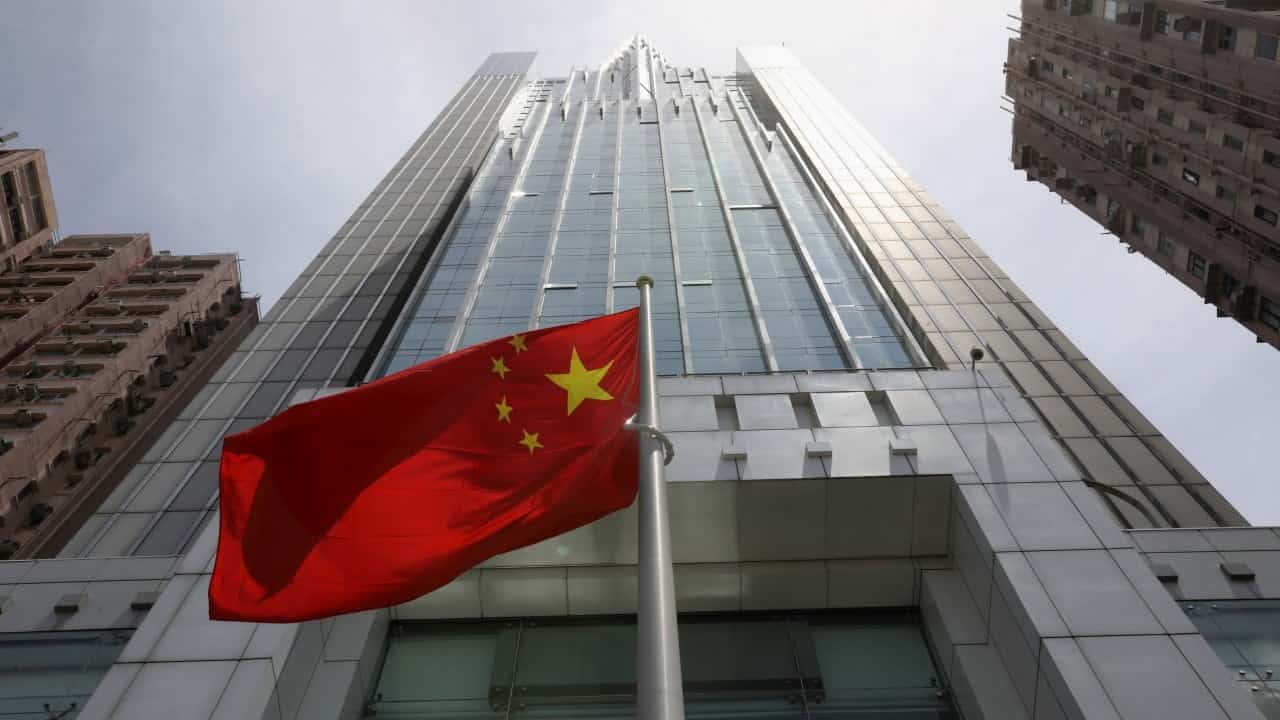
Beijing's liaison office in Hong Kong has undergone a significant restructuring, with a newly emphasized focus on engaging the city's youth and intensifying work at the district or grassroots level. This strategic shift signals Beijing's intent to deepen its influence and integration efforts within Hong Kong. The reorganization is designed to cultivate stronger ties with the younger generation and to embed Beijing's presence more deeply within local communities across the city's districts. These changes are indicative of a broader strategy by the central government to ensure greater alignment and control over Hong Kong's political and social landscape. The liaison office, acting as Beijing's primary representative in the Special Administrative Region, is central to implementing these policies. By prioritizing youth and district work, Beijing appears to be adopting a more direct and pervasive approach to shaping public opinion and fostering loyalty within Hong Kong. This move could also be interpreted as an effort to counter any lingering sentiments of separatism or dissent by building influence from the ground up and engaging with the future leaders of the city. The restructuring suggests a long-term commitment to integrating Hong Kong more closely with mainland China's governance models and priorities.