Key facts
- Asian stocks reached a record high.
- Samsung Electronics' HBM4 chip sales surpassed $1 billion.
- Samsung expects HBM4 chip revenue to exceed $1.2 billion by the end of June.
- China's exports of green-energy and battery products to the US have accelerated.
- Unassembled photovoltaic cell exports from China surged 346% year-on-year.
- Chinese AI stocks experienced a significant jump.
- Beijing signaled a more supportive policy stance for AI.
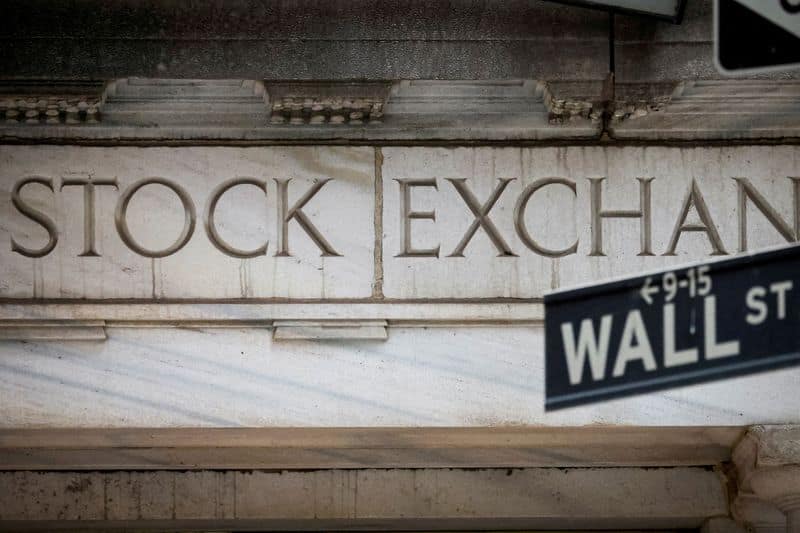
- Wall Street experienced mixed trading, with the S&P 500 and Nasdaq declining.
- Regional currencies weakened amid U.S.-Iran peace deal uncertainty and a stronger dollar.
Asian stock markets reached an all-time high, propelled by substantial gains in technology sectors, particularly those linked to artificial intelligence (AI) in Taiwan and South Korea. This surge contrasts with mixed trading on Wall Street, where the S&P 500 and Nasdaq experienced declines. Regional currencies, however, showed weakness, influenced by uncertainties surrounding a potential U.S.-Iran peace deal and the strengthening U.S. dollar.
Samsung Electronics has reported impressive sales figures for its HBM4 high bandwidth memory chips, surpassing $1 billion just four months after initiating mass production. The South Korean tech giant anticipates its revenue from these chips to exceed $1.2 billion by the end of June, a development that significantly bolsters its position in the competitive AI accelerator chip market. Concurrently, China has witnessed a notable acceleration in its exports of green-energy and battery products to the United States. This increase is attributed to robust demand from the U.S. AI sector and a broader global interest in renewable energy equipment, heightened by energy security concerns stemming from the ongoing conflict involving Iran. Specifically, exports of unassembled photovoltaic cells saw a dramatic year-on-year increase of 346%.
Further contributing to the AI-driven market movements, Chinese AI-related stocks experienced a significant surge. This upward trend was directly influenced by signals from Beijing indicating a more supportive policy environment for the AI industry, which has positively impacted market sentiment. The confluence of these factors—AI sector growth, strategic export increases, and supportive government policies—highlights a dynamic global economic landscape shaped by technological advancements and geopolitical considerations.