Key facts
- Xi Jinping has met 26 foreign leaders in 2026.
- Meetings occurred in Beijing and Shanghai.
- US President Donald Trump and North Korean Premier Pak Thae-song were among those who met Xi.
- Discussions aimed to strengthen partnerships and China's global influence.
- 32 cooperation agreements were signed during the Laos President's visit.
Chinese President Xi Jinping has engaged in extensive diplomatic activity in 2026, meeting with 26 national leaders so far. These high-level discussions have taken place in both Beijing and Shanghai, underscoring China's active role in global diplomacy.
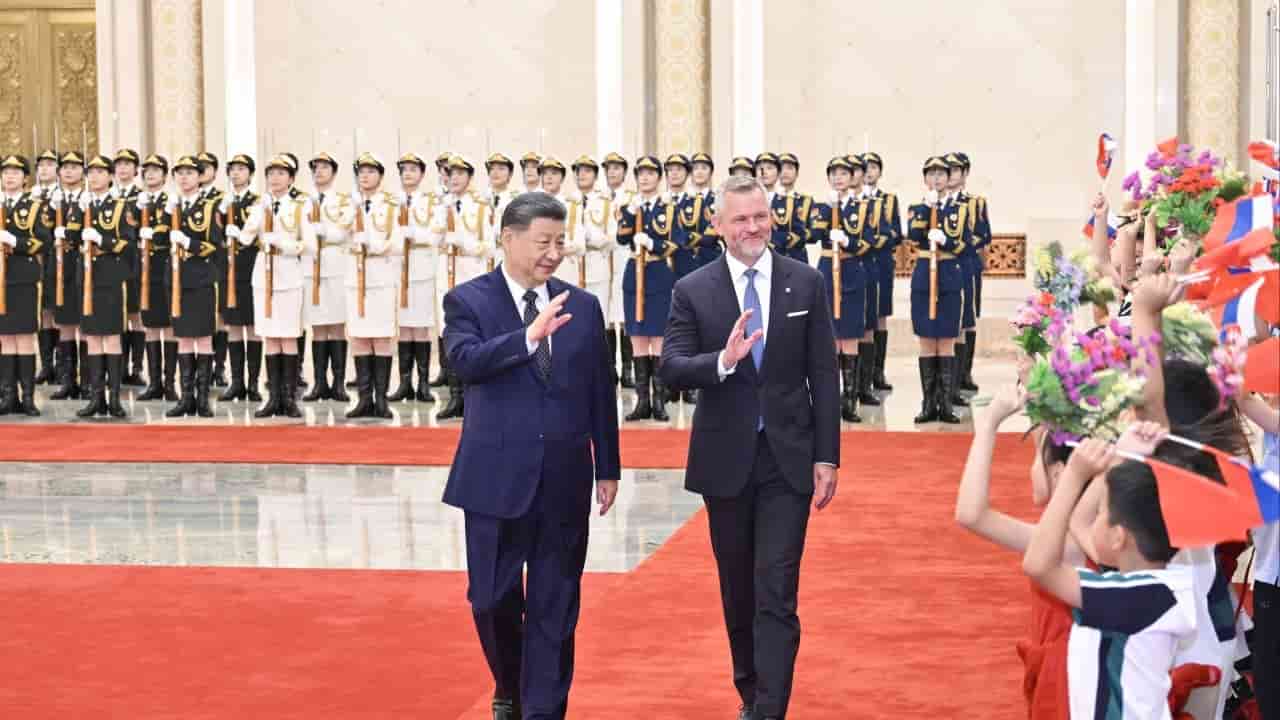
Key meetings include those with the leaders of Slovakia, Namibia, Cambodia, Thailand, and Kazakhstan. Xi also hosted North Korean Premier Pak Thae-song in Beijing following a state visit with North Korean leader Kim Jong-un in June. The US President Donald Trump was also among the leaders who met with Xi Jinping this year.
On the sidelines of the World AI Conference in Shanghai, Xi met with leaders from several Southeast Asian nations, including Cambodia and Thailand. Additionally, President Xi welcomed Bangladesh's new prime minister, Tarique Rahman, and Myanmar's military chief-turned-president, Min Aung Hlaing, in Beijing. These engagements are seen as part of China's effort to build influence and economic ties, potentially shifting the global balance of power.
During a state visit, Laos President Thongloun Sisoulith met with Xi Jinping in Beijing, reaffirming a strategic partnership and witnessing the signing of 32 cooperation agreements covering various sectors. Canadian Prime Minister Mark Carney also visited China in January, framing his trip as an opportunity for middle-power countries to establish independent relations with Beijing.
Analysts suggest that the numerous visits reflect China's growing global influence and its presentation as a source of stability and loans. This approach includes engagement with leaders from authoritarian regimes and Global South countries, signaling support and adherence to principles of non-interference.