All NewsEducationTV
Equities & FundsCrypto & Digital AssetsAI & TechnologyBusiness & CorporateUS Politics & PolicyGeopolitics & Global RiskMacro, Rates & FXCommodities & EnergyEuropean Politics & MarketsAsia-PacificReal Estate & Property
Story archiveAll categories
← All Stories

Taiwan's Matsu Islands: A Frontier Between Two Worlds

Created at 31 Jul · 11:21 PM1 source
IN SHORT

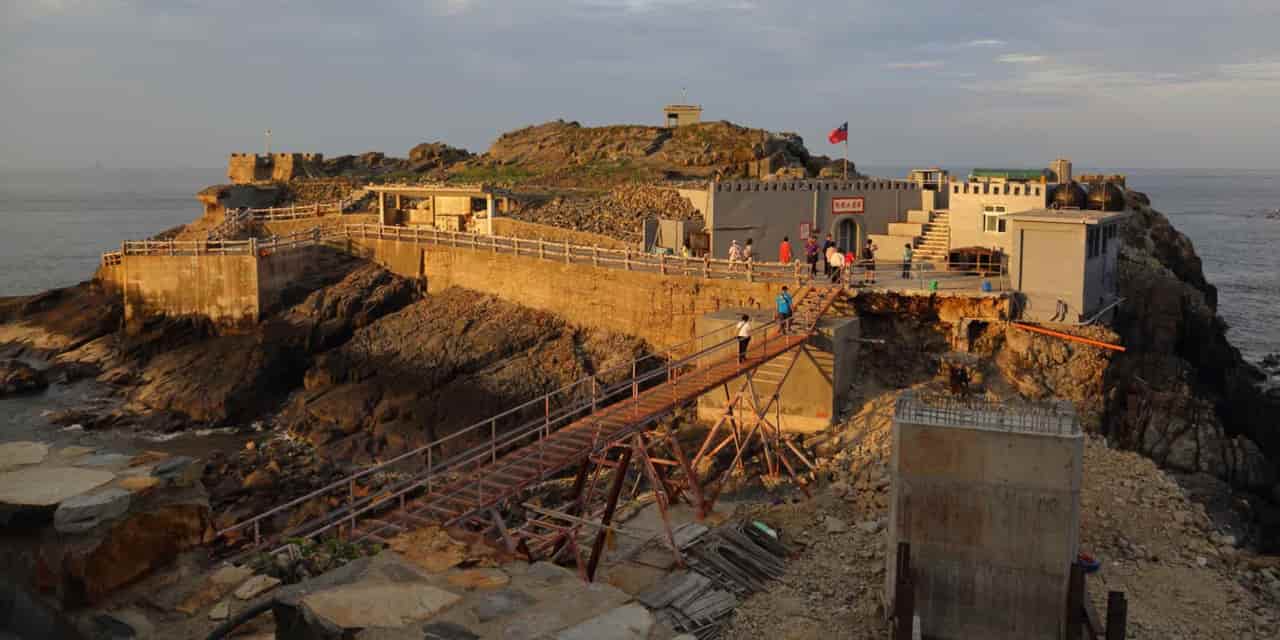
The Matsu Islands, a frontier region of Taiwan, offer visitors a unique experience with their historical military sites, traditional culture, and proximity to China. Once a battlefront, the islands are now a tourist destination known for their distinctive stone architecture and natural beauty.
✉Newsletter

PiQ Daily

Pick your topics. Get only what matters, on your cadence.

Key Numbers

9 kilometersdistance from China's coast
150 kilometersminimum distance from Taiwan's mainland
36total islands in the archipelago
13th centuryperiod of Fujian fishermen settlement

Who's Involved

Chen Tzu-kai
59-year-old retired school principal and fourth-generation Matsu islander
Matsu
Goddess after whom the islands are named
Lin Mo-Niang
Deified form of the goddess Matsu
Taiwan's Matsu Islands: A Frontier Between Two Worlds

↳ Why This Matters

The Matsu Islands offer a unique perspective on Taiwan's geopolitical position and cultural heritage, serving as a tangible link between Taiwan and mainland China while preserving distinct local traditions and natural beauty.

Key facts

  • The Matsu Islands are a frontier region of Taiwan, situated 9 kilometers from China's Fujian province and over 150 kilometers from Taiwan's mainland.
  • The archipelago, formally Lienchiang County, is the smallest and least populated of Taiwan's 14 counties.
  • Matsu offers attractions such as military forts, traditional distilleries, beaches, fishing villages, and the "Blue Tears" marine phosphorescence.
  • The islands are named after the goddess Matsu, with a temple on Nangan Island believed to house her remains.
  • Key islands for visitors include Nangan and Beigan, featuring sites like the Baba Tunnel, Beihai Tunnel, and Qinbi Village.
  • The Matsu Islands, an archipelago that forms Taiwan's Lienchiang County, represent a unique frontier region situated significantly closer to mainland China than to Taiwan itself. One island is merely 9 kilometers from China's Fujian province, while the closest point to Taiwan is over 150 kilometers away. This strategic location has shaped the islands' history, transforming them from a former battlefront into a destination offering a blend of historical military sites, traditional culture, and natural attractions.

    Visitors to Matsu can explore a variety of highlights, including well-preserved military forts, traditional liquor distilleries, picturesque beaches, and quaint fishing villages. The islands are also known for their distinctive stone architecture, often compared to Mediterranean villages, and unique local cuisine. A notable natural phenomenon is the "Blue Tears," a form of marine phosphorescence that attracts tourists. The islands are named after the goddess Matsu, a popular deity in southern China and Taiwan, with local belief holding that her remains washed ashore on Nangan Island, the largest of the Matsu group.

    Nangan and Beigan are the two primary islands for visitors. Nangan offers attractions such as the Baba Tunnel, Beihai Tunnel, and the Matsu Tianhou Temple, which houses a statue of the goddess Matsu. Beigan is known for its well-preserved villages like Qinbi Village, which showcases the traditional stone house architecture. The islands, while more off-the-beaten-track than other Taiwanese offshore islands, are gaining popularity for their unique historical and natural appeal.

    Frequently asked questions

    The Matsu Islands are a frontier region of Taiwan, located only 9 kilometers from China's Fujian province and over 150 kilometers from Taiwan's mainland.

    Attractions include historical military forts, traditional liquor distilleries, beaches, fishing villages, unique foods, and the "Blue Tears" marine phosphorescence.

    The islands are named after the goddess Matsu, believed to be the deified form of Lin Mo-Niang, whose remains are said to have washed ashore on Nangan Island.

    Nangan and Beigan are the two main islands, offering various historical sites and traditional villages like Qinbi Village.

    What Happens Next

    01Visitors can plan their itinerary to include attractions on Nangan and Beigan islands.
    02Travelers can experience the "Blue Tears" phenomenon, though sightings are not guaranteed.
    03The islands continue to develop as a tourist destination, balancing historical preservation with modern amenities.

    Get the newsletter.

    Pick the topics you actually care about. We'll email when there's news worth your time, on the cadence you choose. Cancel any time from your account.

    Cadence

    How It Developed

    The Matsu Islands are a frontier region of Taiwan, located closer to China than to Taiwan's mainland.
    The islands feature historical military forts, traditional liquor distilleries, beaches, fishing villages, and unique foods.
    Matsu is known for its "Blue Tears" phenomenon, a type of marine phosphorescence.
    The islands are named after the goddess Matsu, believed to have washed ashore on Nangan Island.
    Visitors can explore Nangan Island, including the Baba Tunnel and Beihai Tunnel, and Beigan Island, known for Qinbi Village.

    Sources

    T1
    Living between two worlds on Taiwan's Matsu IslandsNikkei Asia
    T2
    Matsu Islands - Wikipediaen.wikipedia.org
    T2
    living — Fulbright Taiwan ETA Scholarshiptaiwan-etaprogram.org
    T2
    The Matsu Islands of Taiwan: A Detailed Visitor's Guidetaiwanobsessed.com

    Related Stories

    Taiwan GDP grows nearly 13% in Q2, supercharged by AI and US ties
    31 Jul · 8:26 AM
    China's Elderly Population Surpasses 323 Million Amid Demographic Shift
    31 Jul · 4:31 PM
    Japan's golf courses attract South Korean visitors amid rising domestic costs
    31 Jul · 1:51 AM
    Hong Kong court rejects challenge to university fees
    31 Jul · 2:40 PM
    Kyrgyzstan's Silk Road ruins reveal ancient faiths and empires
    1 Aug · 12:11 AM